
In 2021, Reese Witherspoon sold a controlling stake in her production company, Hello Sunshine, in a deal that valued the business at a massive US$900 million. Now, just five years later, she’s bought it back for a fraction of that figure.
On 13 October, Witherspoon announced that she was partnering with French media group Mediawan to buy back Hello Sunshine from Candle Media, the Blackstone backed company that purchased its controlling stake in 2021. The financial terms haven’t been disclosed, but Axios reported a purchase price in the low-to-mid eight figures. TheWrap suggested that even at an estimate of US$50 million, this would represent a staggering 94% markdown against its former valuation, although the two transactions aren’t directly comparable because the ownership terms haven’t been made public.
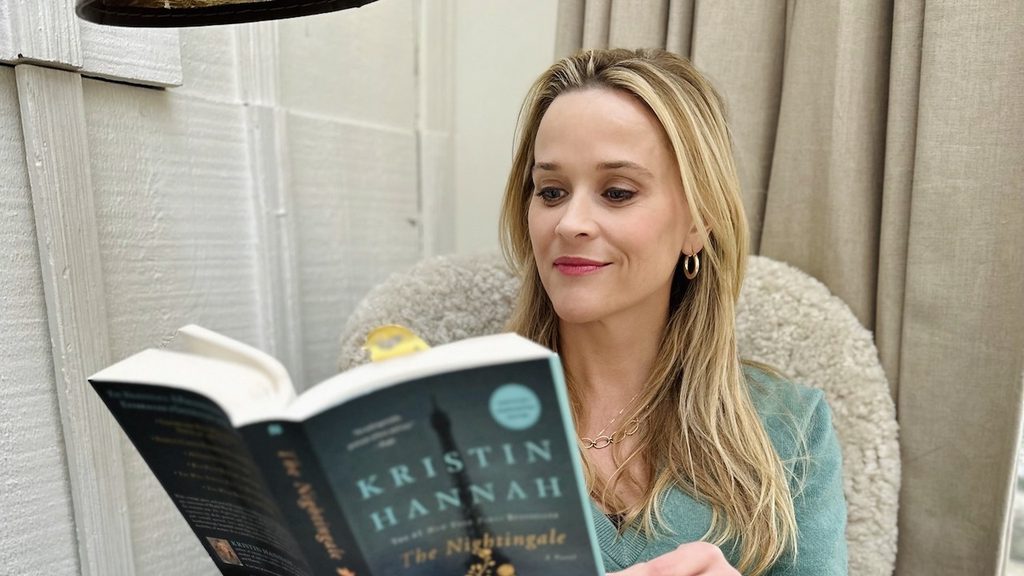
You probably recognise the Hello Sunshine logo from the Reese’s Book Club stickers plastered across book covers, or you might have written it off as just another celebrity telling us what to read. Either way, you’ll be familiar with that yellow circle. But there’s considerably more to the business than yellow circles, and recommending books. Witherspoon founded Hello Sunshine in 2016 with the aim of bringing more stories about women, told from women’s perspectives, to the screen. The company went on to develop productions including Big Little Lies, Little Fires Everywhere, Daisy Jones & The Six and Where the Crawdads Sing.
Alongside the production company, Reese’s Book Club, launched in 2017, became one of the most influential book recommendation platforms in the world, capable of introducing a novel to millions of readers and propelling it onto the bestseller lists. Hello Sunshine could then acquire the screen rights to those same books and develop them into films and television series. Not every selection becomes an adaptation, but the genius of the model is that Witherspoon could introduce a book to millions of readers, then have a ready made audience waiting for those that made it to the screen.
The book club itself makes money through brand collaborations and affiliate commissions when readers purchase books through participating retailers using its links. In January 2026, it also expanded onto Substack with Bookmarked by Reese’s Book Club, introducing a paid membership offering exclusive editorial content, discussions and virtual events. The Substack advertises more than 500,000 subscribers, although that includes both free and paid readers, and the number of paying subscribers hasn’t been disclosed.
Hello Sunshine claims the book club reaches approximately 6.2 million readers and drives around US$900 million in American book sales. That money largely goes to publishers, authors and retailers rather than Hello Sunshine, but demonstrates the enormous commercial influence Witherspoon has built.
So where did it all go wrong? For starters, Candle Media bought Hello Sunshine in 2021, at the height of the pandemic fuelled streaming boom. Founded by former Disney executives Kevin Mayer and Tom Staggs and backed by investment giant Blackstone, Candle was spending big on entertainment businesses. Streaming platforms were competing fiercely for content, and production companies with established audiences and valuable intellectual property were looking like goldmines, emphasis on were…
Candle’s ambitions extended well beyond film and television. It believed Witherspoon’s enormous audience could be converted into paying customers across a much wider range of products, services and subscriptions. According to an investigation by TheWrap, Hello Sunshine invested in events, podcasts and lifestyle brands, but the growth was sluggish. The company struggled to replicate Witherspoon’s commercial appeal through other personalities, while sources close to Candle suggested she was far more interested in producing films and television programmes than selling subscriptions and lifestyle products. The difficulty being that with a celebrity-led business is that most of its appeal comes from the person behind it, and without Witherspoon’s genuine enthusiasm for these new ventures, they were losing the authenticity that had attracted her audience in the first place. And by 2023, Hello Sunshine was reportedly contributing just 10% of Candle Media’s projected earnings, although Blackstone has disputed aspects of those reported projections.
Meanwhile, the entertainment industry had hit rocky waters. Streaming platforms began cutting their programming budgets, the Hollywood writers’ and actors’ strikes in 2023 disrupted production, and the enormous spending that had fuelled the industry’s boom was coming to an end. Candle had bought at the top of the market, paying an extraordinary premium for a business whose future growth depended on the boom to keep on booming.
Just over two weeks after Witherspoon’s buyback was announced, Hello Sunshine reportedly laid off approximately 30 employees, around half its workforce, cutting much of its direct-to-consumer operation and returning its focus to film and television production, Reese’s Book Club and brand partnerships.
For Candle Media, the problems don’t end with Hello Sunshine. Having raised approximately US$2 billion from Blackstone to build an entertainment empire, the company has since retreated from its original ambitions. Earlier this year, it sold a majority stake in digital media company ATTN back to its founders, and with Hello Sunshine now gone too, much of its future rests on Moonbug Entertainment, the company behind children’s phenomenon CoComelon. Yikes.
So while Hello Sunshine has scaled back and returned to its roots, it’s hard to see this as much of a humbling for Witherspoon, who managed to sell at the top of the market and buy back in at a substantial discount. Must be nice.








Leave a Reply
You must be logged in to post a comment.