

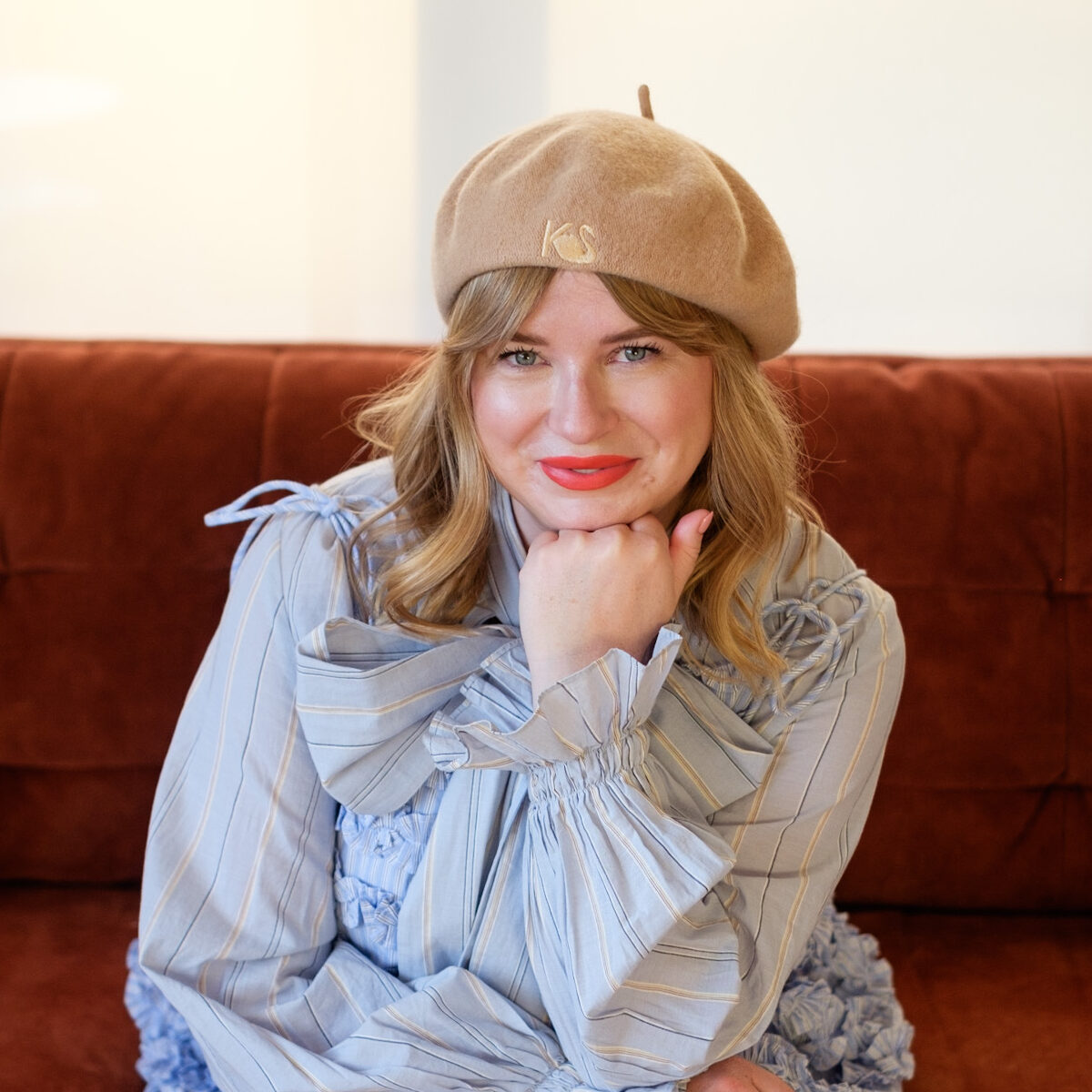
Zoë Foster Blake is one of those women who seems to sprinkle magic gold dust on everything she touches. After a decade working as a beauty journalist and editor, she decided to start her own skincare brand, Go-To, which seems a fairly reasonable career pivot until you remember that most beauty editors do not go on to build enormously successful skincare companies.
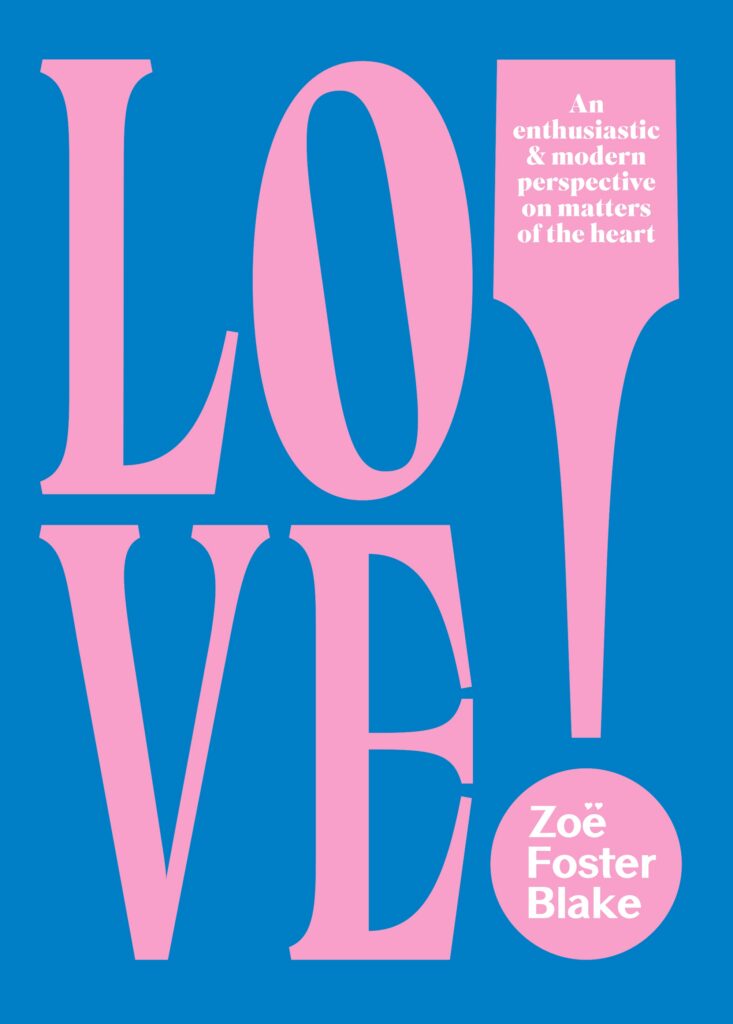
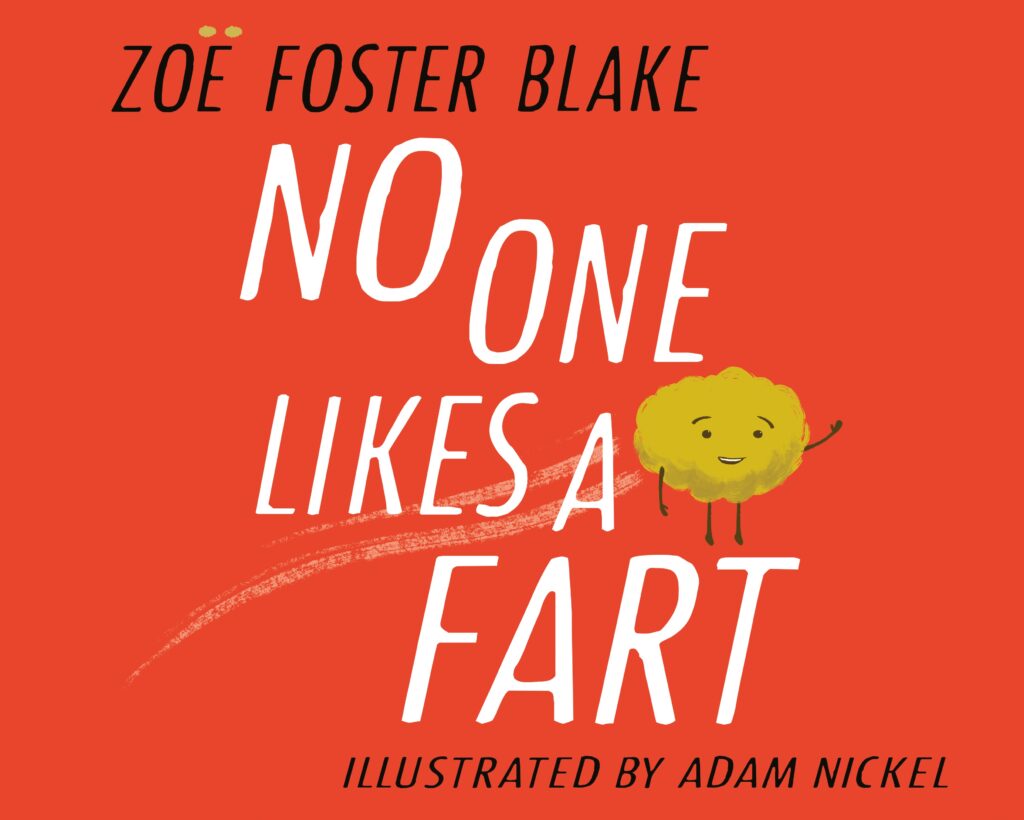
But writing has always been at the centre of it all. At 27, while working at Cosmopolitan, she decided she needed a side project and started writing her first novel, Air Kisses, for fun. Since then, she’s written across just about every section of the bookshop: novels, beauty books, relationship and break-up guides, and children’s books about farts. The Wrong Girl became a hit Australian TV series, while No One Likes a Fart became the fastest-selling Australian picture book since BookScan records began.
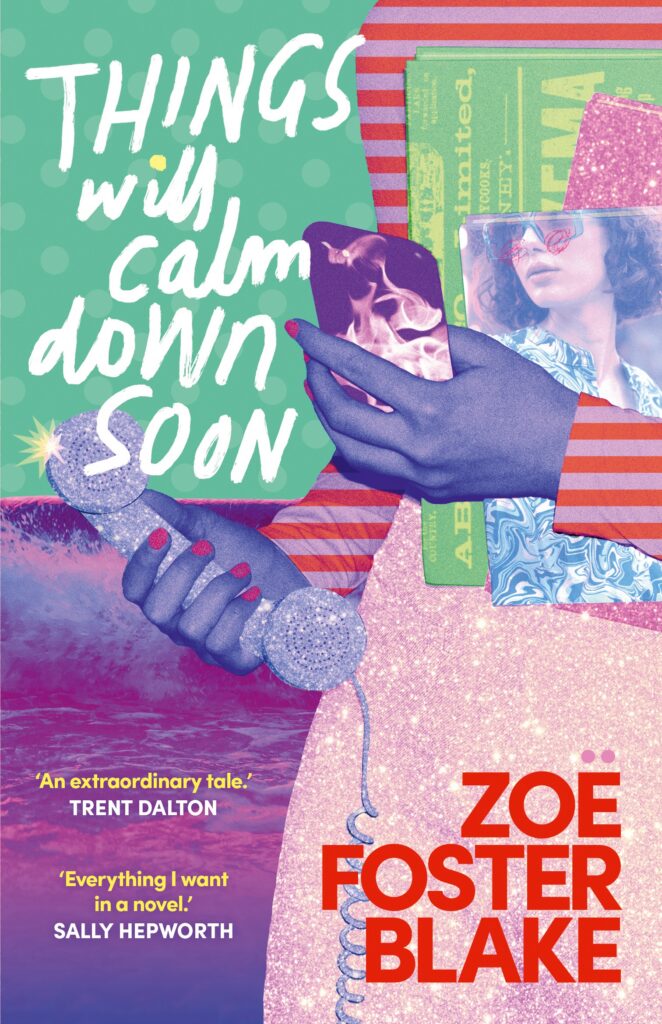
Her last novel, Things Will Calm Down Soon, was basically a fictional how-to-build-a-business guide from someone who knows a thing or two about what happens when a good idea suddenly becomes a very real business. Throw in the fact that she’s an all-round style guru whose insanely fun house interiors will make you want to buy a statement rug, and you start to get a sense of the breadth of Zoë Foster Blake’s brain.
Now she’s back with her 18th book, Group Chat, a novel about five women in their forties, 25 years of friendship and one long-overdue girls’ trip to Mykonos. What begins as an escape after one of their husbands has an affair quickly opens up into something much bigger: friendship and motherhood, marriages and relationships, perimenopause and ageing parents, the different financial realities that can exist within a friendship group, and that strange point in your forties when you start looking at the life you’ve built and wondering whether it still fits.


It’s funny, messy and very relatable on the particular intimacy of female friendships that have survived several different versions of you… which gave us plenty to talk about. Scroll down to read the full interview.
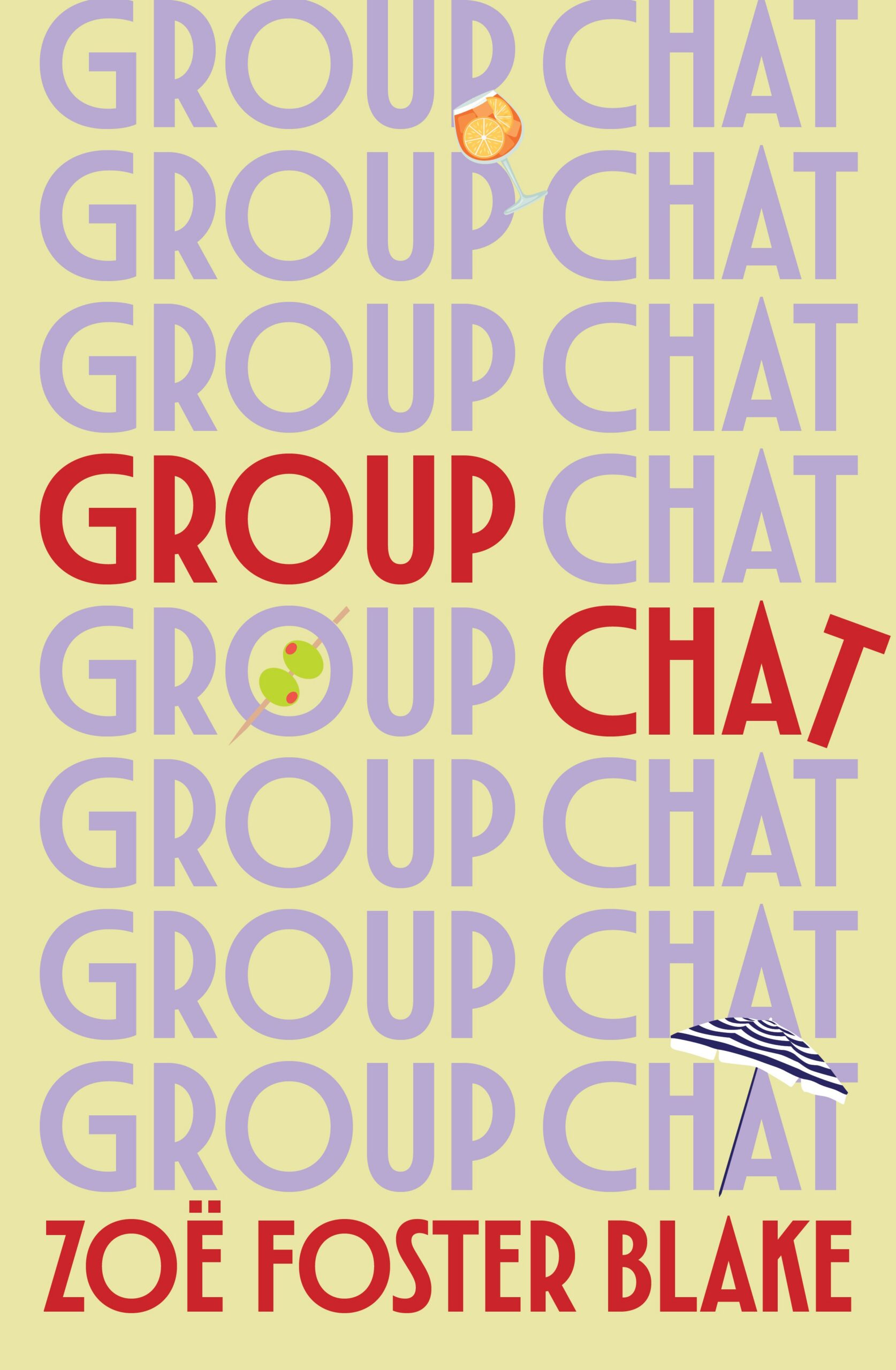
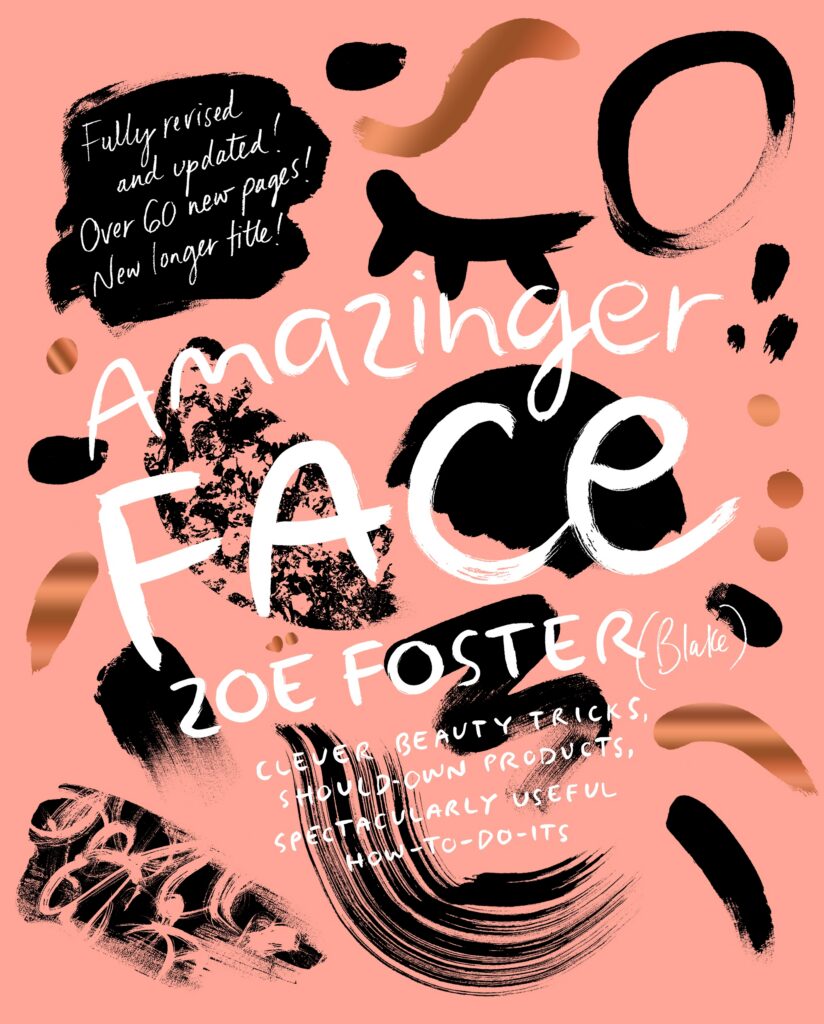
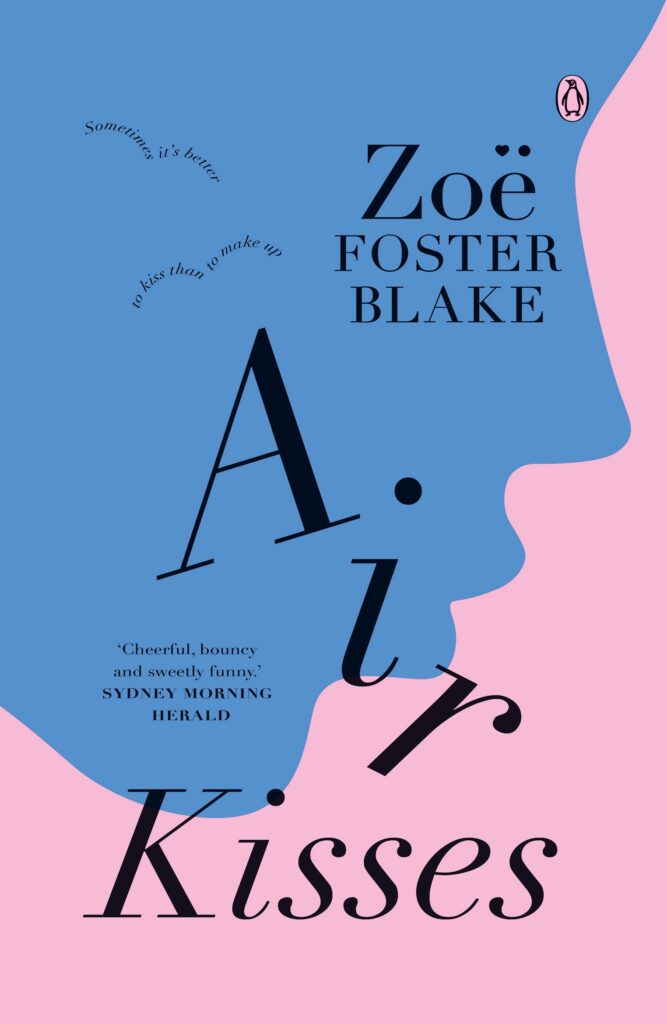
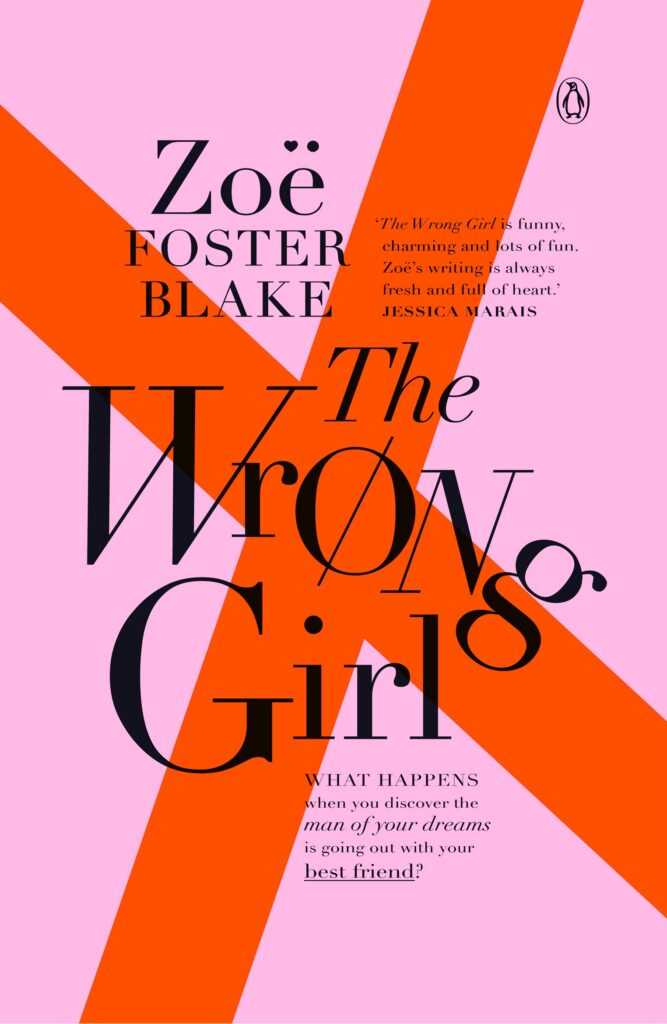
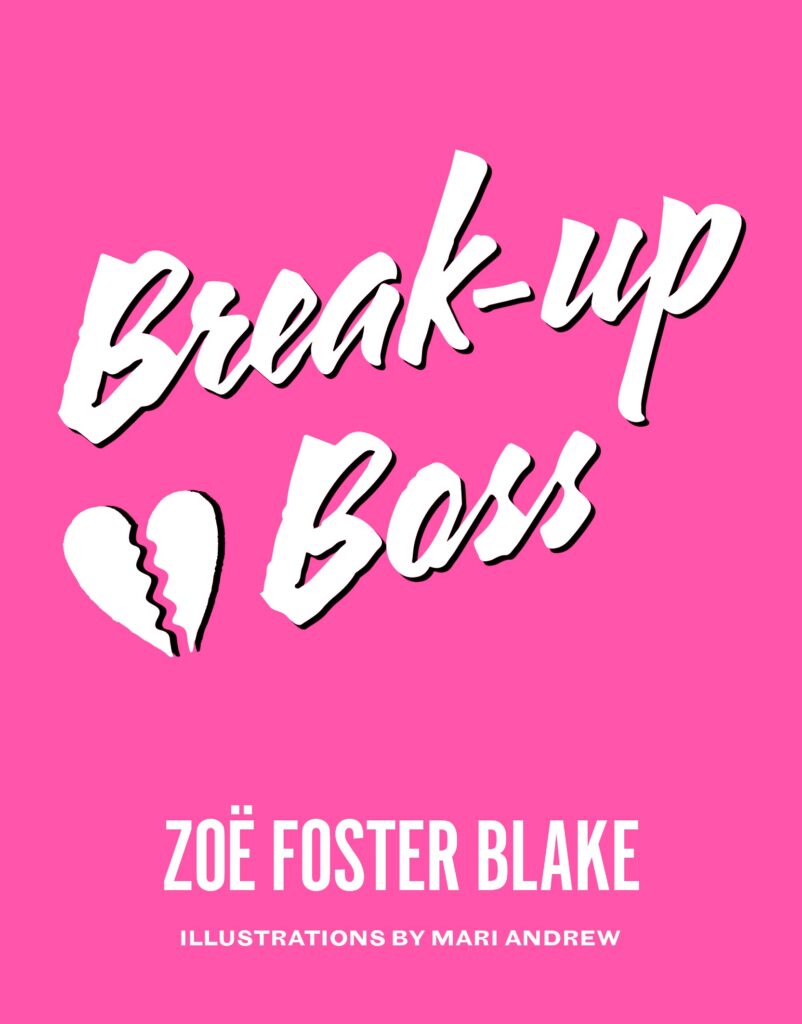
For those who haven’t read the book yet, tell us what Group Chat is about?
After one of their husband’s has an affair, five women in their forties head off on a girl’s trip to Mykonos. This group first went to Mykonos 20 years ago, and in a way, the book is about what has become of them since the last trip the kids, careers, relationships, and life choices. For our protagonist, Stella, who is perimenopausal, restless and deeply annoyed by her semi-retired husband, the question arises: am I where I thought I’d be? Is this what I really want? Am I happy?
These women are juggling motherhood, careers, relationships, friendships, self-love, perimenopause and all the everyday stresses of life. What interested you about putting those ordinary, everyday experiences at the centre of the novel?
I wanted to write something relatable (okay, it is Mykonos…. relatable-aspirational?) for women who have been Carrying It All and Doing It All for so long they’ve forgotten to check whether this is what they even want to be doing. And because in our forties, our mortality starts to loom. (Thanks, joint pain.) It suddenly clocks that we’re half-way; we’re running out of years! But there is always time for change. The question is: How? In what way? And, what happens then? I was drawn to the discomfort of this idea, its open-endedness.
All five of the women at the centre of the novel have very different personalities. Were any of them harder to write than the others?
I love them all dearly, but Gab was the most fun to write. Their differences are intentional. I wanted women with unique identities and motivators; primarily because this leads to good comedy, but also to create the kind of wild group dynamic outsiders would struggle to understand. Remember: these are decades-long friendships. They met at Uni, they’ve all taken very different paths, but despite it all, with intention, love and care, they’ve remained close. That’s a key message. Friendships are very much a ‘what you put, in you get back’ scenario.
There’s something particularly complicated about friendships that begin when you’re young and then have to stretch around all the ways our lives can diverge. What aspect of changing friendships were you most interested in exploring throughout the novel?
Great question. Responsibilities and life roles are a big one: the decision to have kids or not, to take a risk and start a business or stay in the same job, to choose a career that challenges you, or remain in one where you feel stuck but incapable of leaving – these choices can form friendship chasms, consciously or otherwise, and lead to bitterness. There are also financial differences, which I love discussing in the book, since it’s so taboo.
Viv and Farrah particularly find themselves butting heads about their very different levels of wealth. How did you decide to broach money chat in the book when it can be a conversation so many of us still avoid with friends in real life?
That’s the fun of fiction! Viv is unapologetic with her wealth, which flies in the face of how Australians have been trained to think and act around money, it makes people uncomfortable. She is aware of her good fortune, she’s worked hard and done well, and she doesn’t feel the need to hide it. She is also enthusiastically generous, and with the specific privilege that comes with wealth, doesn’t treat money as something to be precious about. This enrages Farah, who despite being a healthy benefactor of Viv’s wealth, is not rich, and understands money is something to be precious about. I love their opposing views and wanted them be the kind of friends who are close enough and brutally honest enough that they can have these robust conversations. No masking.
The book almost gives us a crash course in perimenopause along the way, and debunks some of the misinformation around it too. And can I just say thank you to you, and all the other women who are openly talking about this very real stage in a woman’s life. Why do you think it’s taken us so long to talk about perimenopause this openly?
I think the information wasn’t there. But finally, with thanks to literally a few key doctors advocating online, education and awareness is growing. And thank god for that: this is an enormous, (and occasionally catastrophic) transition for women, yet even a few years ago we didn’t know the name for it, let alone the signals and symptoms. It was (is) very real for me and seems to be the reigning topic among pretty much any woman I speak to over 40 these days, so I felt compelled to address it, and hopefully, in my own way, encourage women to seek help and treatment, and most critically, realise they are not going mad, it’s not all in their head, and they are definitely not alone.
There were so many moments where I felt like I was reading conversations I’ve had with my own friends. When you told your friends you were writing this book, were any of them dubious about what might make it into the novel?
I’ve written enough novels now that my friends know they won’t find themselves. (I wouldn’t be so stupid.) My characters were created to serve a narrative; they’re constructions and amalgamations of many different women and personalities and stories. (That said, boat day did really happen. Trigger warning to the six women with me on the boat in Capri back in 2022.)
It’s very hard to write humour, but with quips like, “And you know tobacco is a plant, so is paper — it’s basically a salad,” you had me cackling. How do you know when a joke is actually landing on the page?
My favourite part of writing is dialogue. I tire of descriptive writing quickly. Probably I should turn my attention to screen plays. But I so love imagining (and reading out) the conversation, creating a rapid back and forth on an elevated level, where the witty bon mots of two old friends who know the rhythm and pace of each other’s language and thoughts crackle and fizz on the page.
The WhatsApp group, the back and forth, and the sheer difficulty of just organising the holiday felt so real. Why are we so bad at making time for ourselves?
There is always a good reason not to go. By no means does this mean you shouldn’t. One of the key themes of Group Chat is this idea of FIBI – f*ck it, book it. Life is short, you’re not promised tomorrow, so take the goddam trip. Don’t wait for a 40th or a diagnosis. Go. Even if it’s a weekend in the city. GO.
There’s a really interesting tension between self-fulfilment and everything else these women are juggling. Did you want to push back against the idea that by this stage of life we’re somehow supposed to have it all figured out?
Who has it all figured out? Really, who? Maybe an octogenarian. Maybe. But certainly not someone in their forties. I would argue that this stage and age is fertile ground for change, growth and self-discovery. That our hormones are signalling the closing of a major life chapter: it’s time to think seriously, meaningfully about the next one. (Or just book a trip. That’ll work too.)
What do you hope readers take away from Group Chat?
Nurture your friendships. Look after them. Cherish them. And for the love of luggage, create space in your life for some unstructured time with them.
Zoë Foster Blake’s Reading List
What’s the book that made you fall in love with reading?
Italian Folktales, by Italo Calvino. I read it ‘til it genuinely fell apart and now read (a new version) to my kids. It’s a retelling of classic Italian folktales told over centuries. They’re a bit unhinged, many haven’t aged well (well, I mean, it was the 1700s) but this book introduced me to satirical, witty writing, and more importantly, I learned that the underestimated and minimised princess can always outwit the princes, witches and kings in the end. That’s powerful
What’s the last book that made you cry?
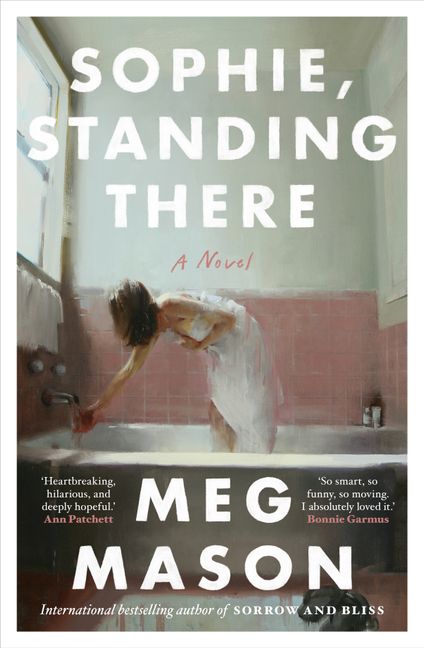
Sophie, Standing There.
And the last book that made you laugh?
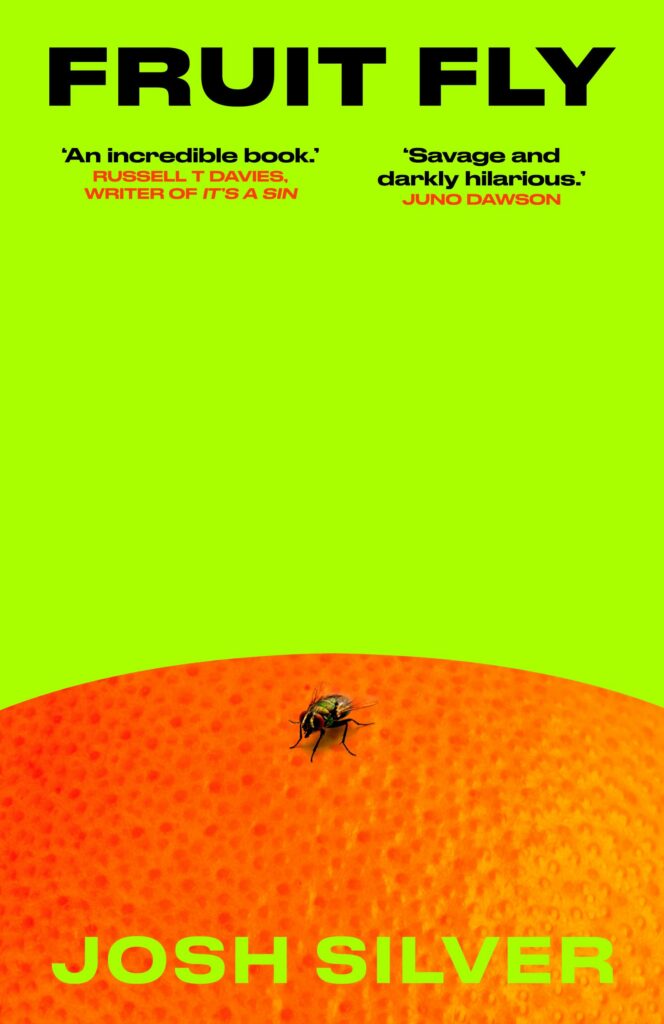
Fruit Fly. What an ending. Supremely satisfying.
Which book do you wish you’d written yourself?
Impossible. What makes me love a book is the writing of that unique individual.
What’s a book you think deserves more hype?
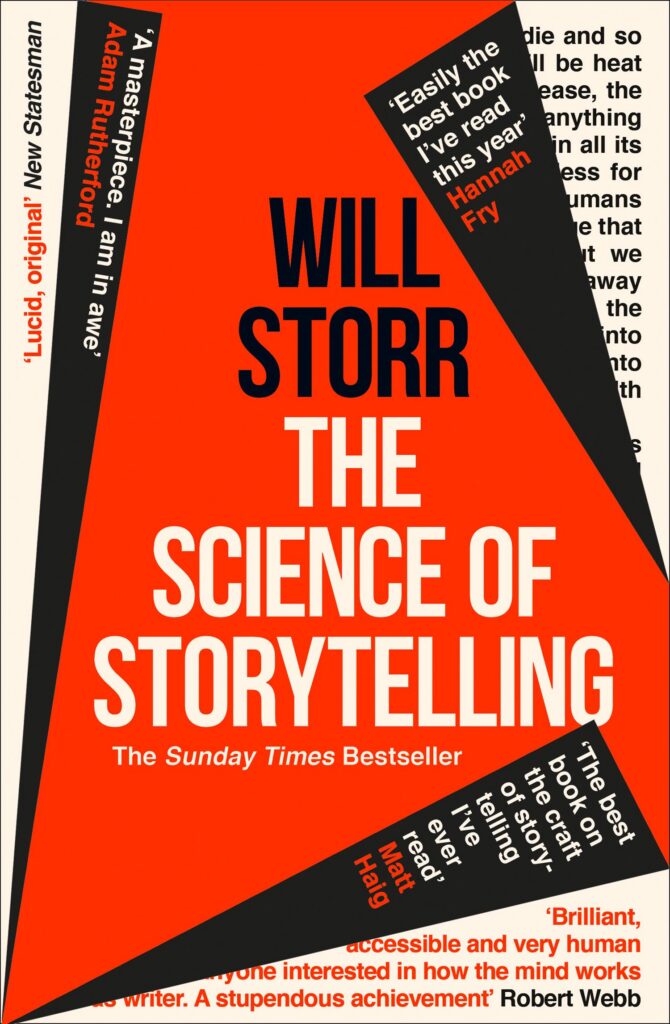
The Science of Storytelling by Will Storrer. If you’re a writer, it’s a fascinating read.
What have you read and loved recently?
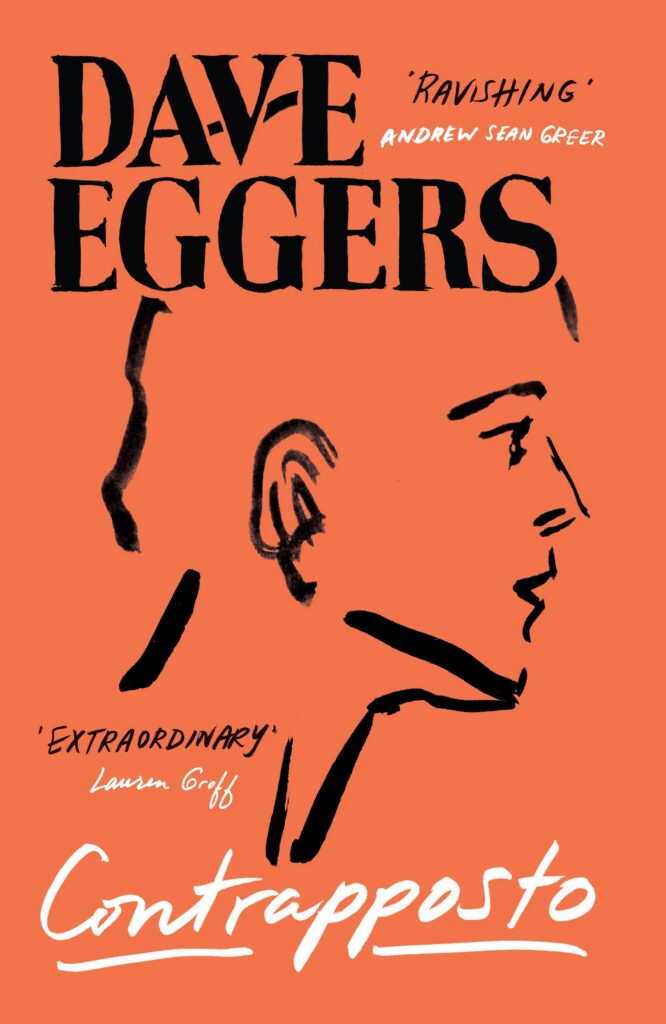
Contrapposto, by Dave Eggers. Incredible book. So elegant. So perfectly shaped.
What are you currently reading?
I’ve just started Emily St. John Mandel’s new book, Exit Party. She’s one of one.
The one book you always recommend to others?
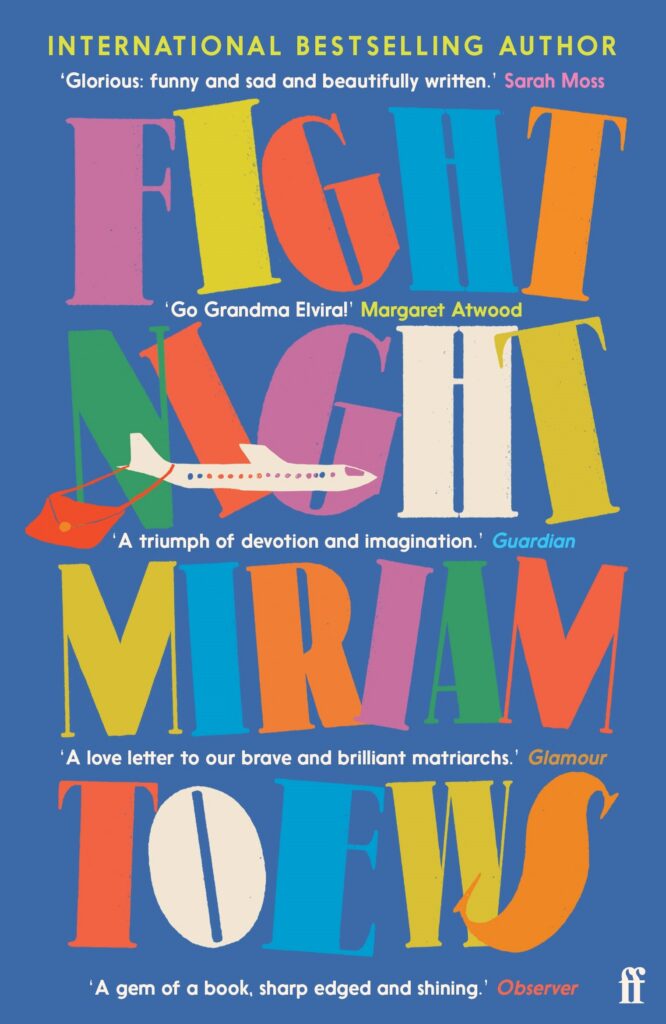
Fight Night, Miriam Toews. Haven’t had a bad review back yet.

Group Chat by Zoe Foster Blake is published by Allen & Unwin and on sale now








Leave a Reply
You must be logged in to post a comment.