
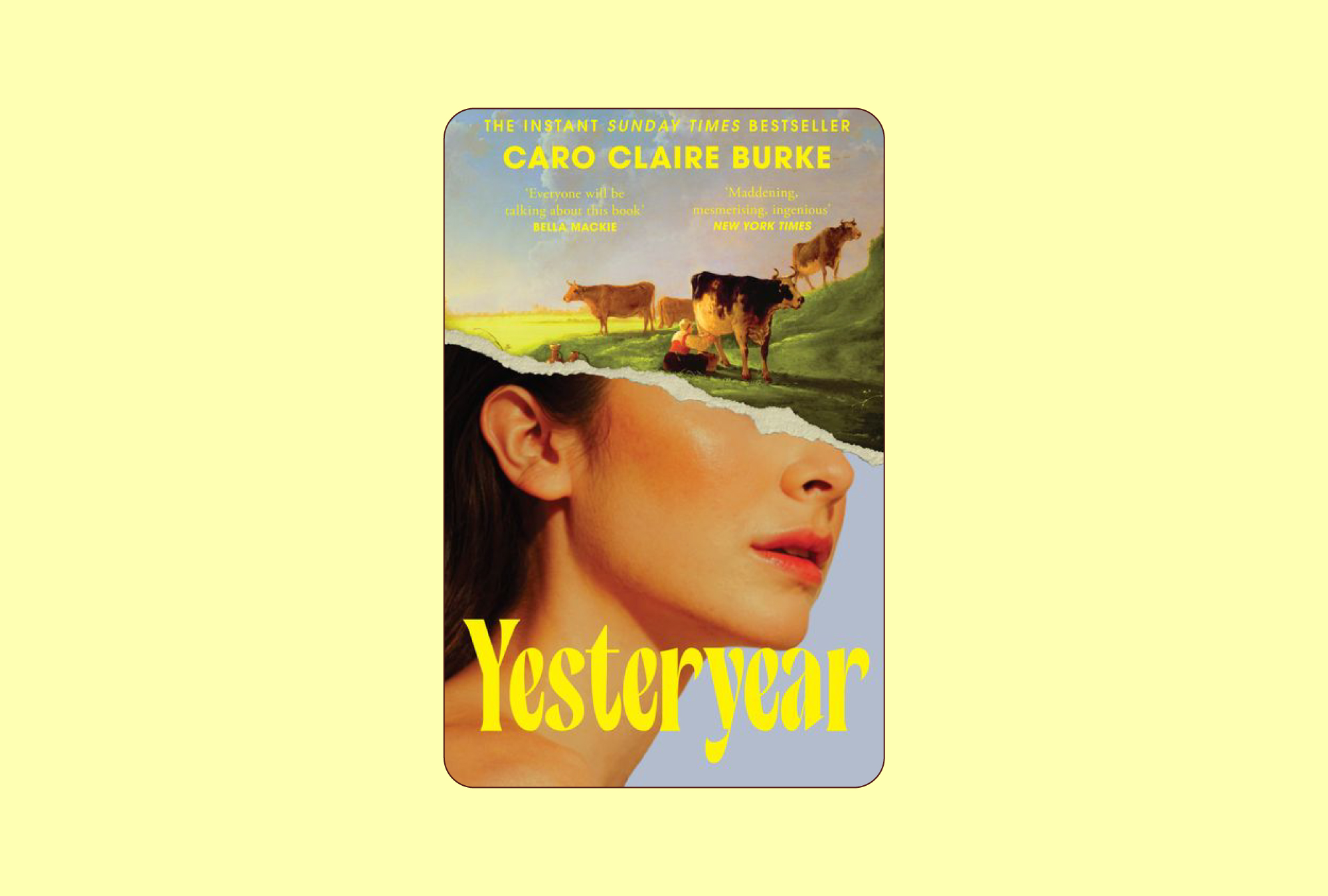
Even unfinished, this book sparked a major bidding war among publishers, and it’s already been snapped up for a screen adaptation, with Anne Hathaway set to star as Natalie. Yesteryear is blowing up online right now, and for very good reason.
I have so much to say about Yesteryear, and while I usually keep my reviews short and punchy, this one won’t be.
Our protagonist, Natalie, is the tradwife influencer behind Yesteryear Ranch (think Ballerina Farm). She and her husband, Caleb Mills, whose father is running for president, have built a wholesome, back-to-basics empire in Idaho. They have five children, a sixth on the way, and millions of followers watching their carefully curated version of the American dream.
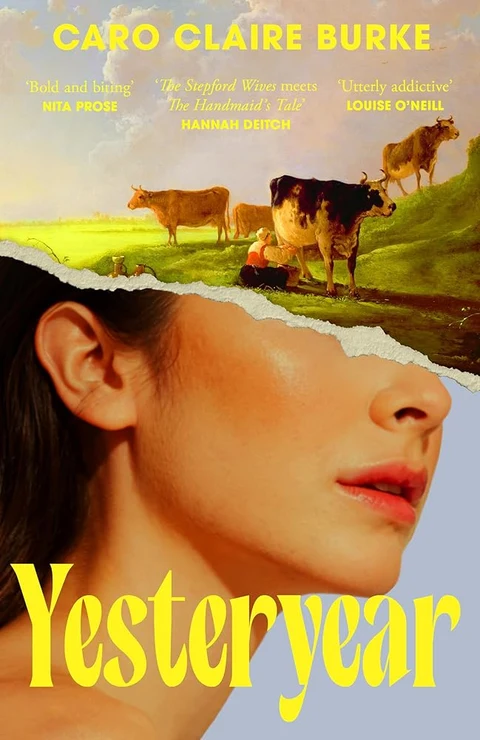
And yet, what initially feels idyllic quickly fractures. Natalie wakes in 1855 and is forced into the reality of being an actual traditional wife in yesteryear. The narrative flips chapter by chapter between 1855 and, for me, the most compelling thread, Natalie’s rise from Harvard student to wife of Caleb and figurehead of Yesteryear Ranch. All the while, her inner monologue runs sharp and unfiltered, revealing exactly what she really thinks as she performs the role of the good Christian woman.
Natalie is largely unlikeable. She is brash, bigoted, at times racist, and often a negligent mother. But like all of us, she is layered, and at times laugh-out-loud funny in her scathing character assassinations. Her determination and drive are, at first, admirable, yet ultimately she is shaped and broken by the system she exists within, both upholding and being consumed by the patriarchy she helps sustain.
This book taps into so many current conversations, from the American dream to the manosphere, the patriarchy, feminism, tradwives, influencers, and motherhood, all while questioning how much of what we present online is simply curated. It’s sharp, satirical, and completely unflinching, exposing the performance of family life, the commodification of motherhood, and the illusion of control.
By tapping into these broader, very current cultural fascinations, this becomes a completely addictive read, much like the continual wave of documentaries and books on ultra-Christianity and cults. Right now, Trust Me: The False Prophet is sitting at #1 on Netflix, and we’re only six weeks on from Louis Theroux’s documentary on the manosphere, which sparked opinion pieces far and wide. We’re drawn to this kind of content in much the same way we are to the never-ending stream of true crime podcasts and documentaries, with the belief that understanding the things we fear might offer some sense of protection from them.
And what is there not to fear for liberal women when it comes to tradwife culture, conservative Christianity, and the patriarchy, set against the very real rise of right-wing politics and the erosion of women’s rights in America? There is a creeping sense that we could, quite literally, be heading backwards. This is Caro Claire Burke punching back.
I’ll admit it took me a moment to settle into it. Natalie is confronting, and the characterisation is intentionally direct, but once I found my rhythm, I was completely hooked. And the ending had me close to tears, because while this is fiction, it feels heartbreakingly true to the real families that have clearly inspired it.
So I’ll end with this. For me, the hype is real. I loved this book. I completely understand why everyone is talking about it, and I know it’s one I’ll be thinking about for a long time.
This is the perfect book club pick, because you will need to talk about the ending… and everything in between.








Leave a Reply
You must be logged in to post a comment.