
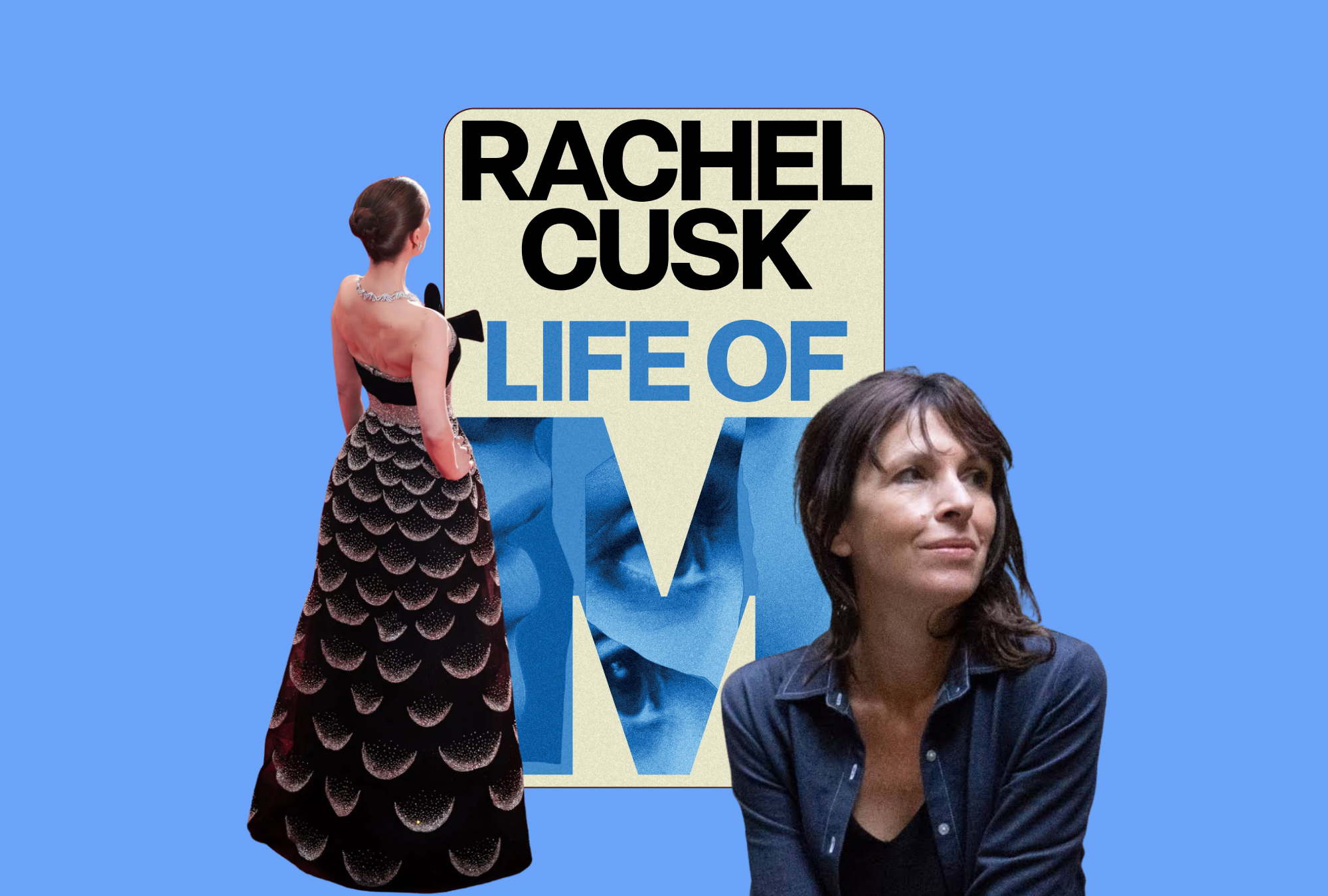
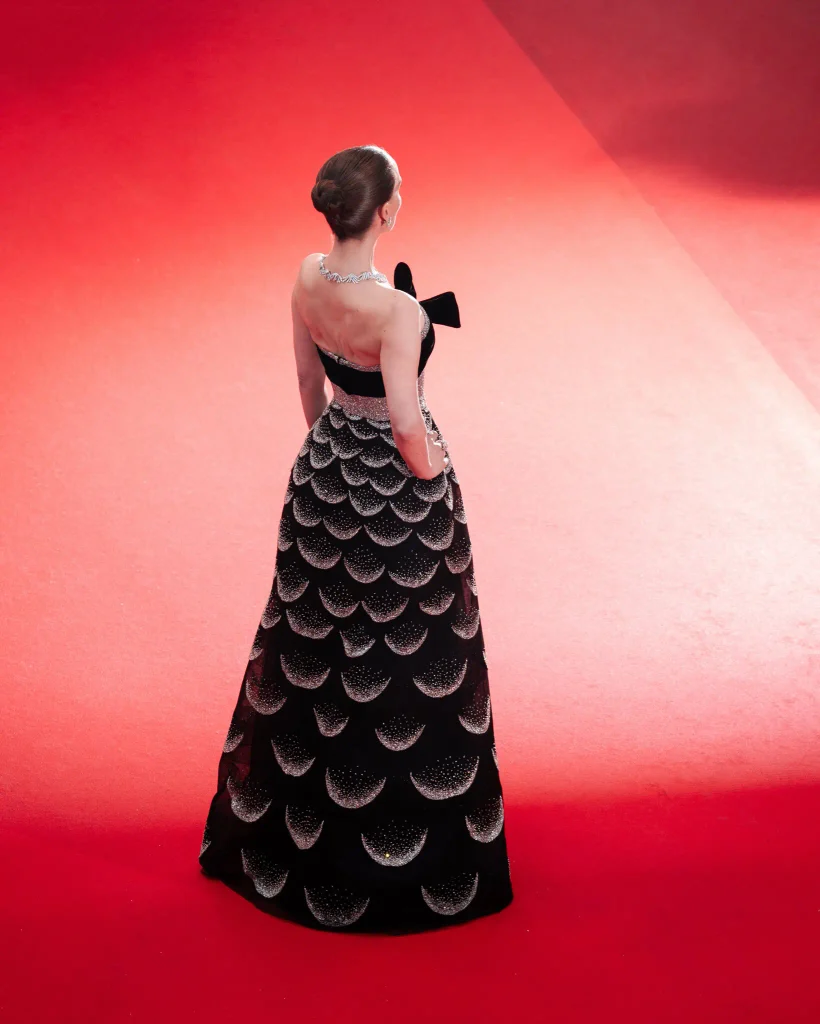
Life of M follows an unnamed writer who takes on the project of writing about M, a major celebrity. The narrator becomes an observer, trying to extract the prizes and perils of fame from M’s life, keenly pointing a lens at what it is to be an actor, an artist and a woman in the public eye. It is also clearly about Natalie Portman. Rachel Cusk makes little attempt to hide it. The parallels are difficult to ignore, M becomes famous as a child after appearing in a film in which sexualised scenes involving her character are removed, she later plays a ballerina in a role that marks her adult career, she becomes the face of a major fashion brand, and she lives in an unnamed city that resembles Paris, where both Cusk and Portman reside. become famous through books they never chose to be part of.
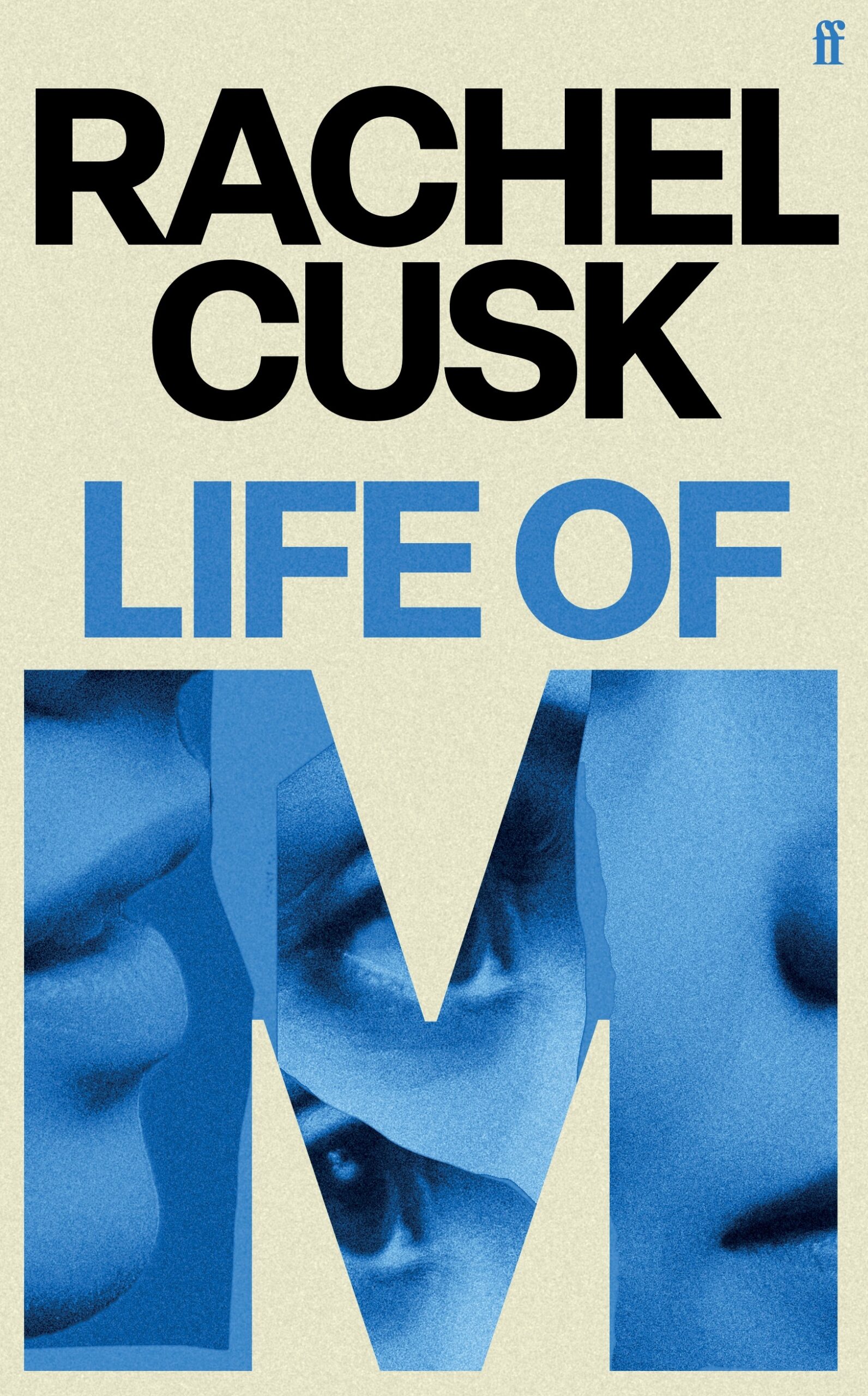
This is a book centred fully on observation. Cusk’s prose is at times so crisp and clear, delivering such a punch, that you find yourself reading a sentence multiple times. At others, she launches into long explanations of scenes that seem to make no narrative difference to the final outcome. But Cusk is an experimental writer, most famous for her Outline trilogy, and Life of M is again less interested in conventional narrative than in creating a tension between truth and untruth, the knowable and the unknowable.novel gradually begins to feel like two different books in the second half. By the end, it felt as though it was trying to do too many things at once, and a few major storylines seemed to lose momentum along the way.
Cusk has defended the book, telling The New York Times that the speculation was “very stressful” and was taking the novel into “almost a sort of courtroom or a factual fight”. Her argument: “If my job is not to go into unexplored areas of contemporary consciousness, then I don’t know what it is.” To be surprised that tying a novel so closely to one of the most famous actors in the world would bring this level of scrutiny is, in some ways, to misunderstand the power of fame itself.
There is a particular unknowability to A-list celebrities we all wish to understand. We are fed an enormous amount of information about these people and encouraged to feel that we know them, while nearly everything we see has passed through a lens of publicity, media training, Photoshop, stylists, advertising campaigns, and editors. The celebrity can become a marketing tool and, in some ways, a product themselves, while the unfiltered person remains almost entirely inaccessible.
Perhaps this is why public figures have repeatedly been reimagined through fiction: Rodham imagined an alternative life for Hillary Clinton, Curtis Sittenfeld’s American Wife drew heavily from Laura Bush, Joyce Carol Oates fictionalised Marilyn Monroe in Blonde, and Monica Ali imagined Princess Diana’s life in Untold Story. Celebrity culture and the endlessly complex ways it shapes the people at its centre will always fascinate us normies.
You still have to wonder, why not invent a movie star? Why include so many details pointing towards one specific living woman and then insist that whether readers recognise her “is really not the point”? Cusk has said that famous people “enter the public imagination” and that this is “part of fame’s deal, and part of its tragedy”. Celebrities undeniably become public figures, but I am uncomfortable with the idea that fame means surrendering yourself to the public under all conditions. Portman entered that sphere as a child. Acting was the job, fame was the by-product.
And when the parallels are this overt, it’s inevitable that readers will want to know where Portman ends and M begins. While I believe this is a work of fiction in nearly all regards, you have to wonder if it is all the more interesting because it can be read through the possibility that most of M’s story is, in fact, Natalie Portman’s?
This is where the controversy surrounding the novel becomes almost absurdly meta. Cusk has written a narrative concerned with the dehumanisation of celebrity. The response has been to pore over Natalie Portman’s biography, compare her life with M’s and speculate about her relationship with Cusk in some ways robbing the novel of the chance to exist on its own merits, while simultaneously proving Cusk’s point about our inability to look beyond the celebrity.
The book certainly leaves readers with plenty to think about, it is full of observations about fame, beauty, privilege and art. But by the end, whether true or not, Cusk was one ahead of the speculation all along. And in some ways, Life of M is one big masterclass in fucking with your audience through both fact and fiction.















Leave a Reply
You must be logged in to post a comment.