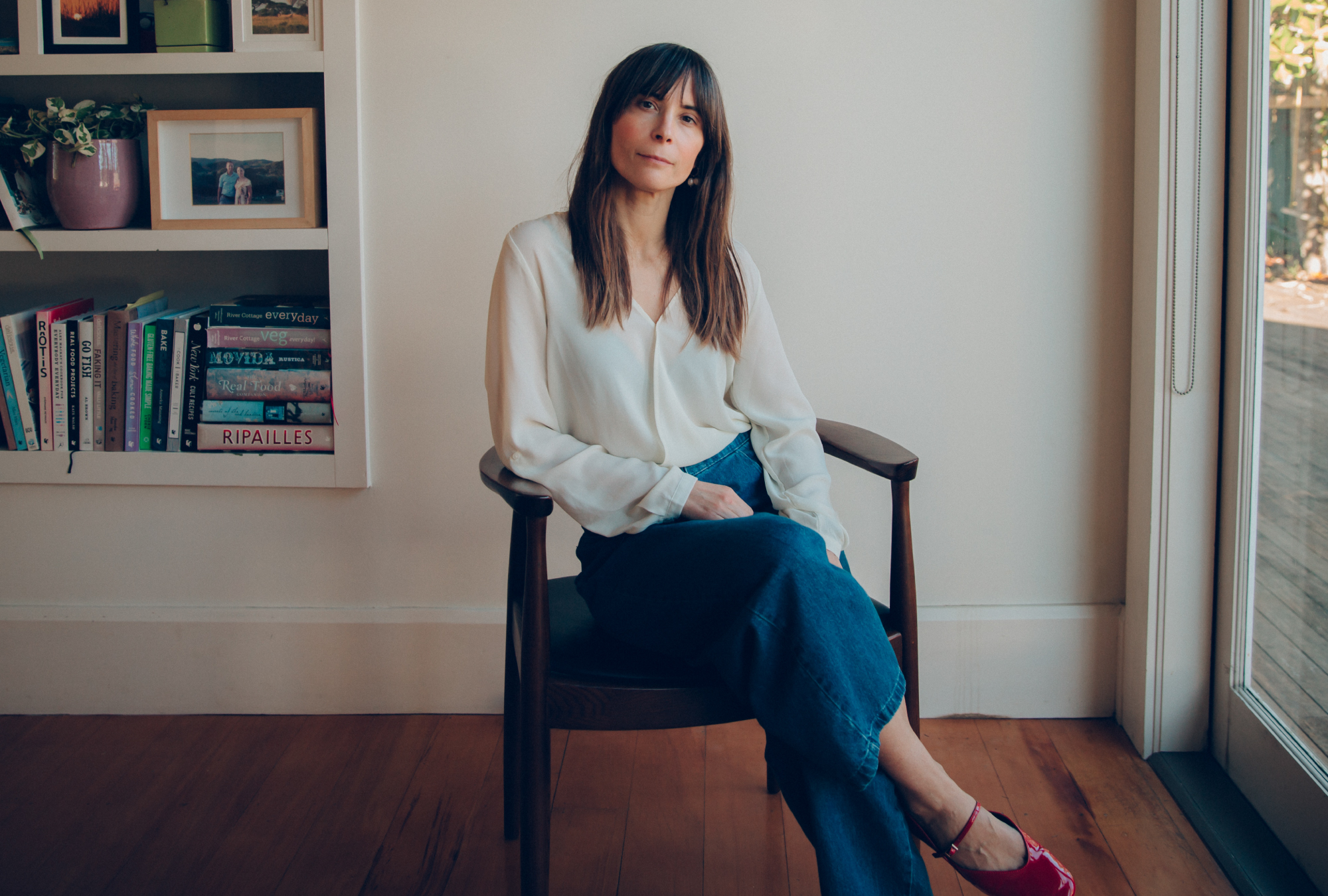
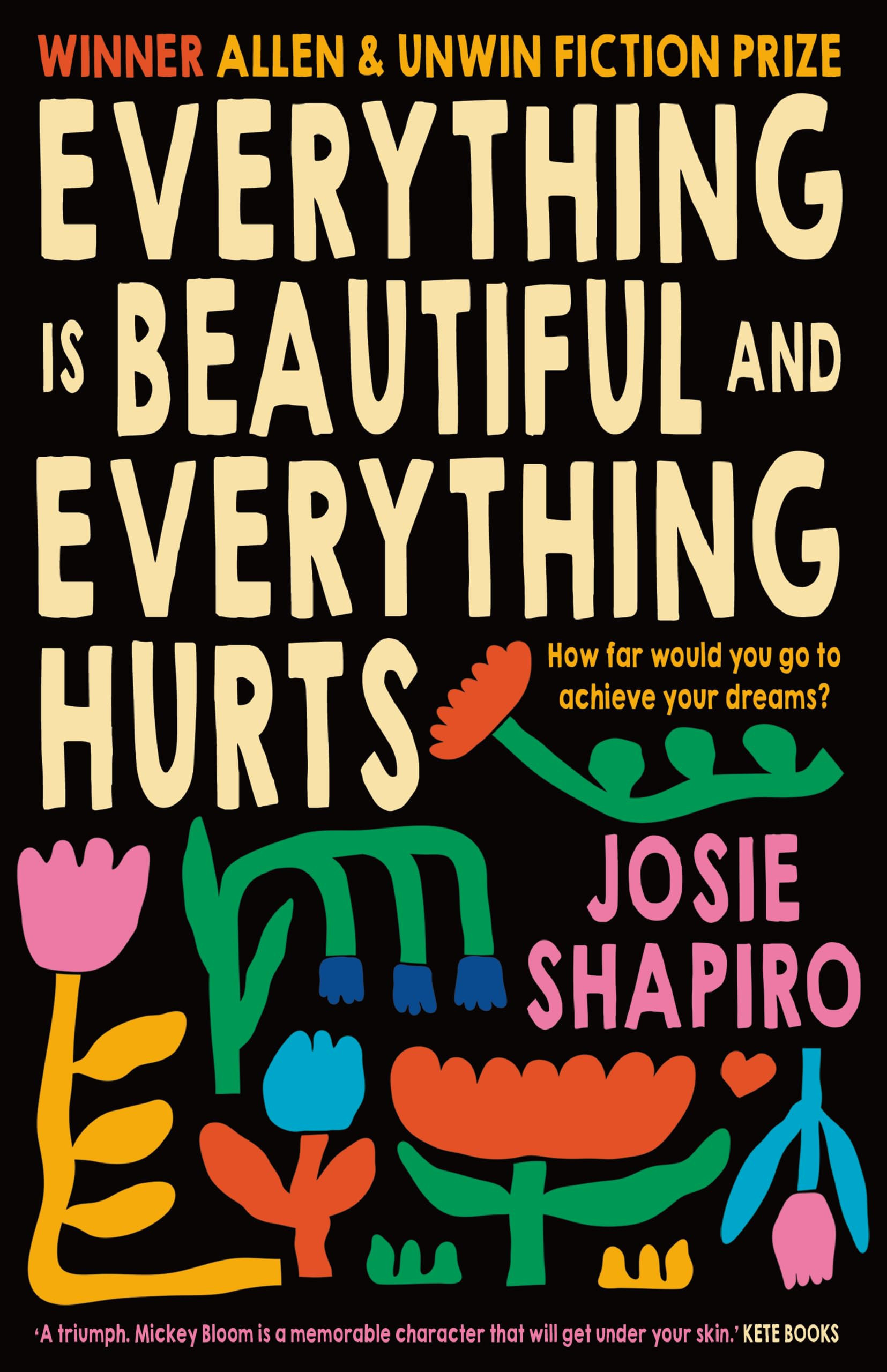
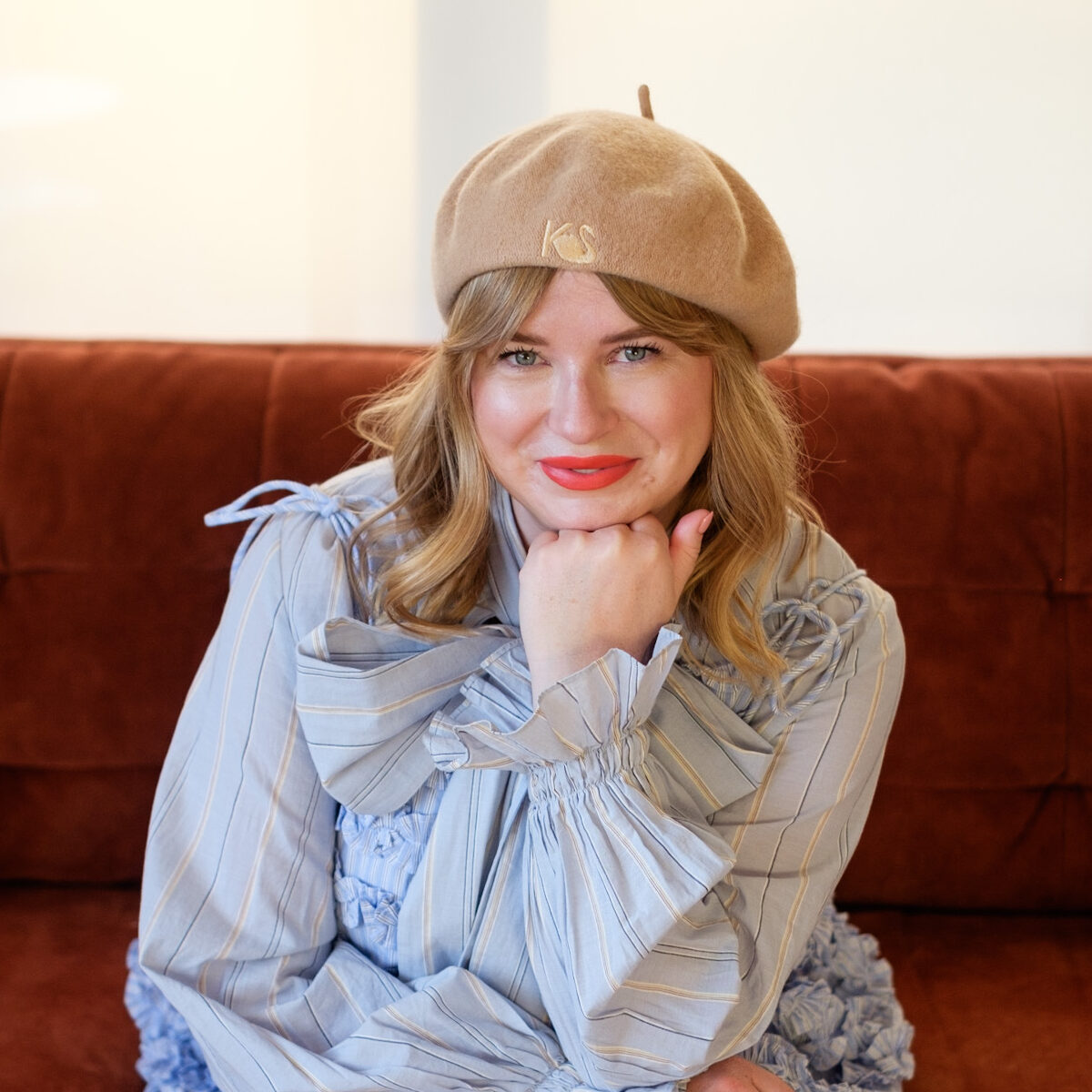
We catch up with Josie Shapiro, a graduate of the University of Auckland’s Master of Creative Writing programme, a Sargeson Fellow in 2024, and one of the inaugural 2025 New Voices of Aotearoa. She is also the bestselling author of Everything Is Beautiful and Everything Hurts and Good Things Come and Go and is currently navigating the early stages of writing her third novel.
Here, we talk about everything from those early stages of the writing process to meeting deadlines, when is it time to start sharing ideas and, of course, reading.
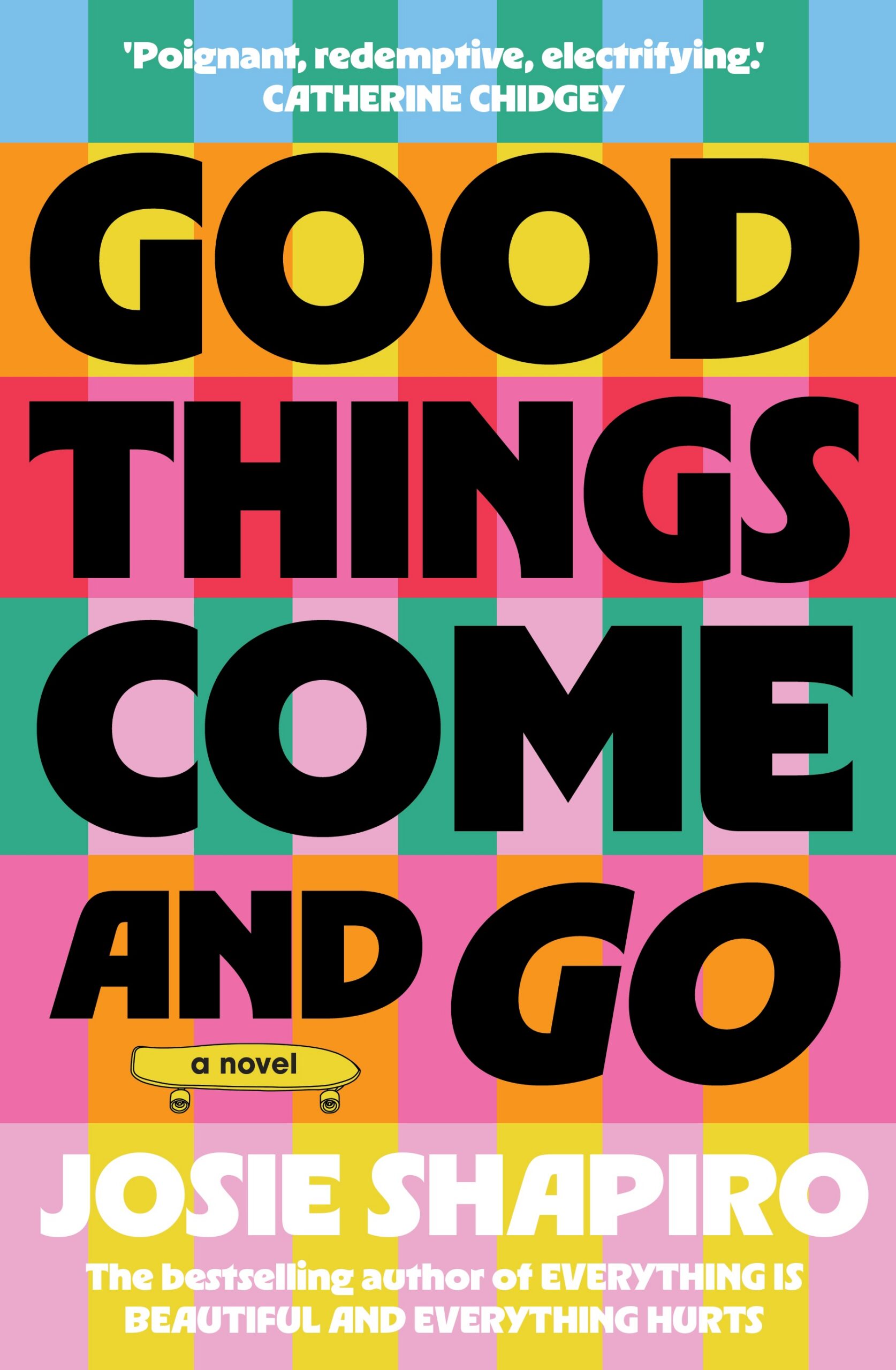
How’s life been since Good Things Come and Go entered the world last October?
I have really enjoyed the second novel being out in the hands of booksellers and readers. When it was first published, there was the inevitable and expected anxieties of being read and perceived, though I have really tried to take the same mindset as the first novel to avoid being trapped in worry: what an immense privilege to have this experience, and that I must try to enjoy it as much as possible.
I take it you’re right amongst the early stages of writing your third novel, could you talk us through your research and writing process at this point?
This early stage is a lot of fun but a lot of uncertainty. Right now there’s a lot of ‘what if’s’ going around in my head: what if this was the main character point of view, what if I wrote in this style, what if these characters emerged, what if I set it ten years earlier – or ten years later? I like to follow my curiosity when I write – what are the questions burning in my mind, and what are the things keeping me engaged and interested and slightly uncomfortable, and how can I explore these in fiction? So there’s a lot of stopping and starting, a lot of walking to think through ideas. I write ‘lighthouse scenes’, with no plan, so as I develop the novel it’s mostly unconnected ideas and vivid images that I start with, and the novel coalesces around these later in the process, which can feel untethered, and it’s important not to give up! It will come together somehow! I research as I need mostly at this stage, or make notes about what I need to spend time learning about for later – a lot can wait for me at this stage. First thing for me are the characters and the story, research comes after.
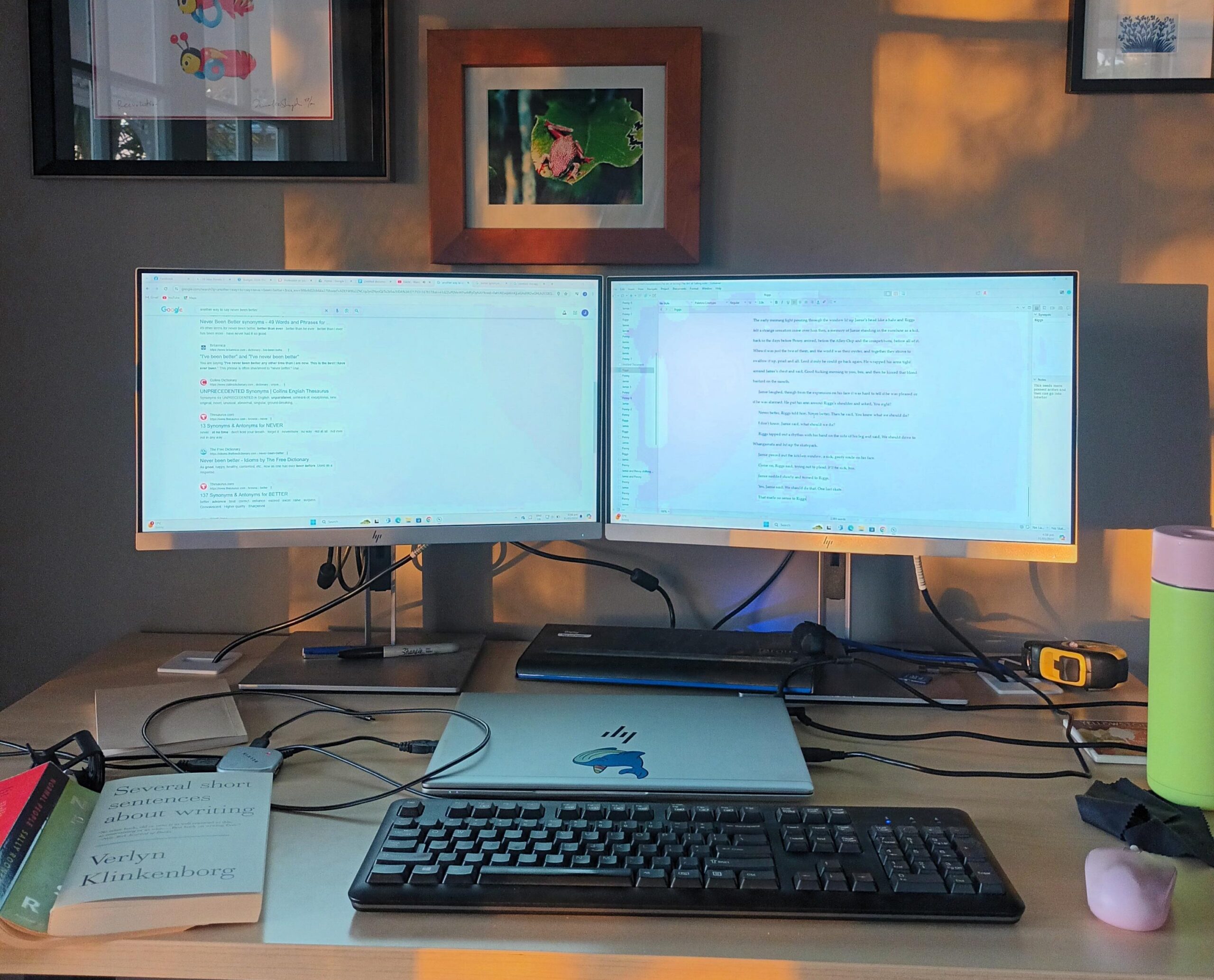
What are the biggest challenges at this stage in the writing process, and how do you overcome them?
At this early stage, the main challenges are figuring out exactly what I want to say, and how to say it. I remember hearing Karl Ove Knausgaard speak once about how long it took him to overcome his writer’s block when starting his My Struggle series, and that once he found the voice of the work, it flowed easily. Right now the biggest challenge for me is to find the voice – the style, tone, texture and diction – and to find this, there’s no shortcut. I have to write, and write, then cut and cut, and write some more, until it feels, and sounds, like the book it always wanted to be.
How much has your process changed now that you’re onto your third novel, compared with writing your first and second?
There have been significant changes to my process in the years since I wrote my first novel, and mostly it is my newfound trust in my instincts and that even when it feels like the whole project is doomed, one must keep the faith and continue. I think that my sense of how and what I can write has changed, and that has come from more time spent writing – behind the published book, there are so many hours of work and editing and thinking. I hope that with every book I write, I can keep taking risks, challenge myself and write more meaningful and memorable stories, and keep learning and shifting to match the challenge.
How do you know when one of the ideas swirling around your head is the one that’s going to become a novel?
That’s tricky! I have had several story ideas come to me for this third book, and the way I have determined which will be the one I will pursue is by following my obsession: which story do I find myself drawn to the most? Which story is giving me images and scenes when I am in the shower, or making breakfast for my daughters? Which story gives me the best chance of exploring and questioning and discovering? Maybe some of the other ideas will be novels in the future, or at least, I hope they will have that chance.
Do you think about your readers and how they might receive the novel while you’re writing, or do you try to block that out entirely?
When I make decisions around what the story will be, and how it will be, I write for myself first. I write with the hope that when it’s in the world, the reader will be someone generous, thoughtful, considered, someone ready to be pulled into a story, someone who loves words, their poetry and their rhythm. I try not to overthink how people are going to react. There will always be readers who don’t like my work, and that’s fine! I just try to keep the negative or disappointing reviews out of my mind when I’m creating new work, because the creation is so wonderful and so fun.
How much time do you generally allow yourself to write a book, and what does working towards a deadline look like for you?
My first and second books took around two and a half years each, but in saying that, I think every book is different and will need varying amounts of time. I think the work improves if you can give more time to it – as time passes, a different version of you will approach the same work and consider it and improve it. However, I do feel like I started kinda late to the game, publishing my first novel at 40, so I have this strong impulse to write as much as possible as quickly as I can, because I have many ideas and so much I want to explore and attempt in my writing while I can.
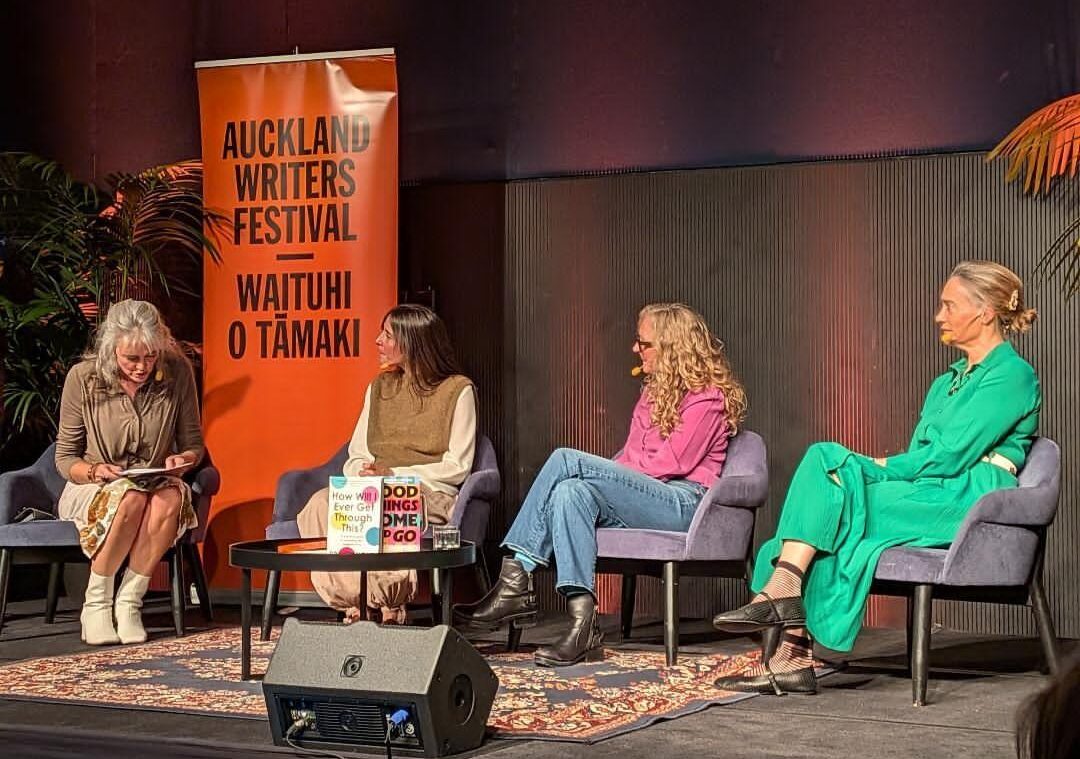
Are there any other logistical aspects to being an already published author that readers might not be aware of?
The cover and the title are ultimately decided by the publisher! – there are different types of edits, structural and line, and these can be light or very involved! – you should never sign your books with your official signature that you would use on legal documents! – having readers contact you to say they enjoyed the book is always welcome! – lots of people want you to record a video!! So you need to get used to hearing the sound of your own voice.
Have you ever started writing a novel and then abandoned it? And how do you know when to persevere with an idea and when it’s time to let it go?
I do have a novel that I still tinker with, that I wrote before my first published novel came out in stores, and I haven’t yet figured out where the line is with when do you abandon and when do you persevere. The reason I did leave it to write other things was the knowledge that I was attempting to write something that required skills I didn’t yet have, and I hope that one day I might master the skill to pull off the magic trick that the story needs.
Do you like bouncing ideas around with other people while you’re writing, or do you tend to keep a new book quite close to your chest?
I keep a lot of it close to my chest, until I am at the point in the drafting where I am lost in the work and need a second or third opinion. I studied for a Masters in Creative Writing at the University of Auckland, and during these types of courses there’s a lot of workshopping the manuscripts everyone is working on. This is essential work, mostly because when you read other’s work in this way, you are really teaching yourself how to edit and improve your own work, however I did find that too many voices too early in the writing diluted my own vision and made me second-guess things. Now I try to trust my instincts and come to trusted readers when I feel I have a steady sense of the work and will know how the constructive criticism and suggestions can help guide me.
Do you read much while you’re writing? Or do you ever worry about the subconscious seep of other writers’ work, voices or ideas into your own?
When I was writing Good Things Come and Go, I read a lot of books, but only books written by Sally Rooney and Tim Winton – there was something about their writing that didn’t interfere with the way my mind was working. Otherwise, in other projects, I have found I read widely and voraciously while I’m writing. I don’t worry about other ideas seeping into my work, I think I feel really settled in my own style and voice and have worked hard to trust my creative and imaginative ideas when they come.
What’s one tidbit of writing advice you’d give to aspiring writers who are also at the beginning of a new project?
Do your best, keep the faith, and find joy in the work.
Josie’s
What’s the book that made you fall in love with reading?
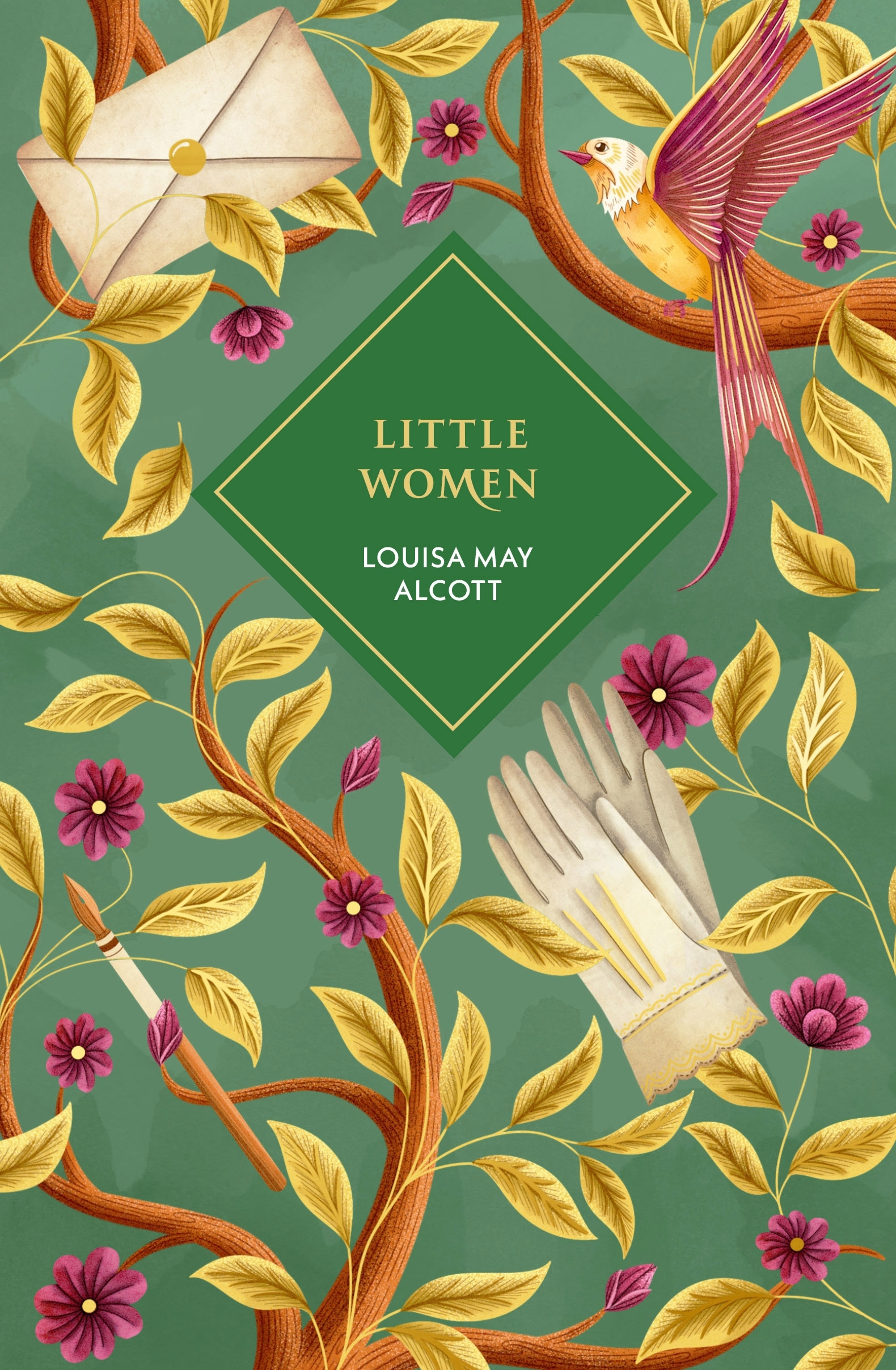
I think the first book that truly moved me as a child was reading Little Women by Louisa May Alcott. My first name is Josephine, and I shared that name with my grandmother, and she always told me we were named for the character in the novel. I think this was the first book to make me cry. Beth!!
What’s the last book that made you cry?
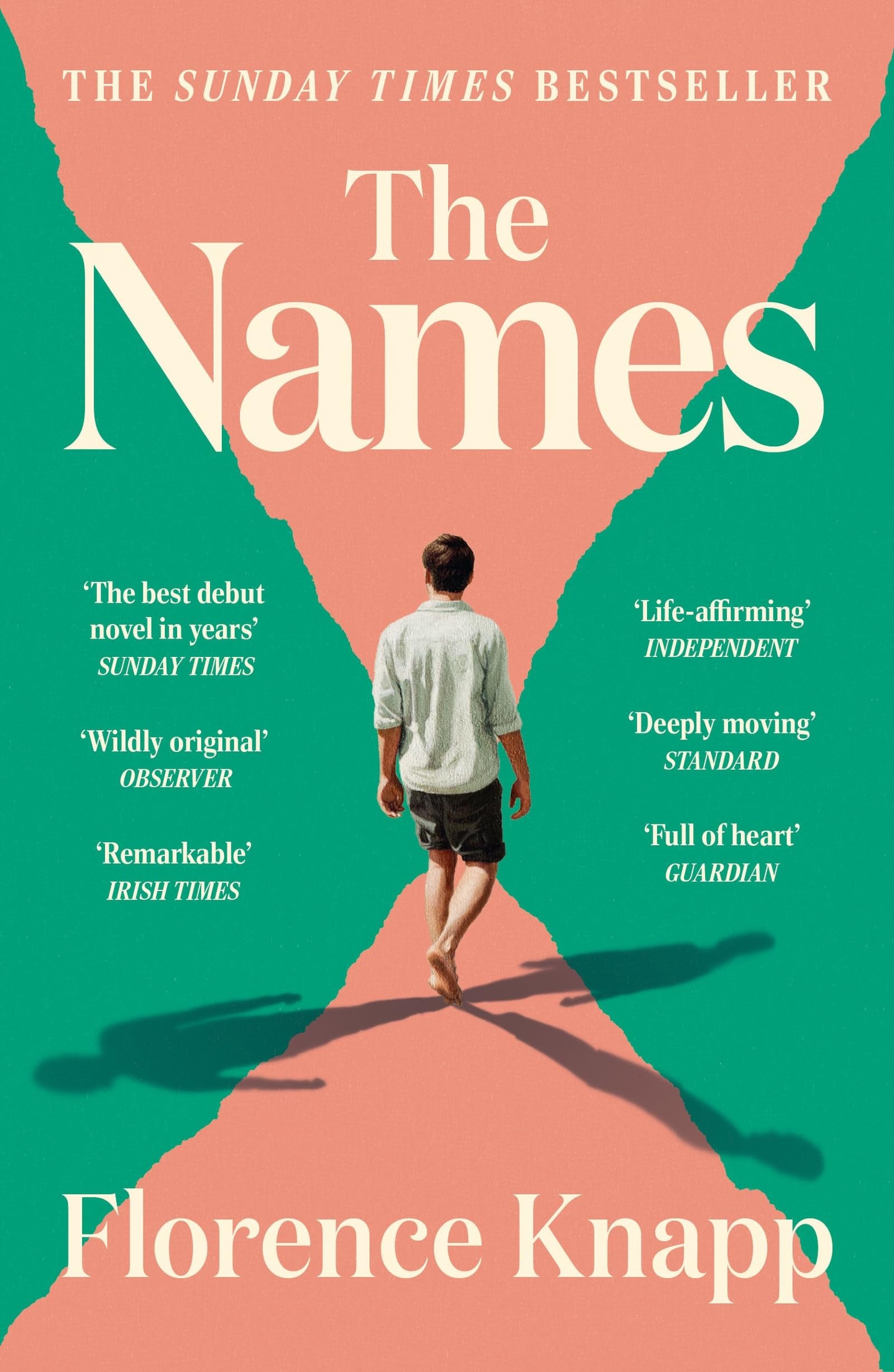
The last book to make me cry took me by surprise – The Names by Florence Knapp. The novel deals with domestic violence and a few of the things she wrote about were so uncannily familiar I found myself overcome with sorrow.
Q. And the last book that made you laugh?
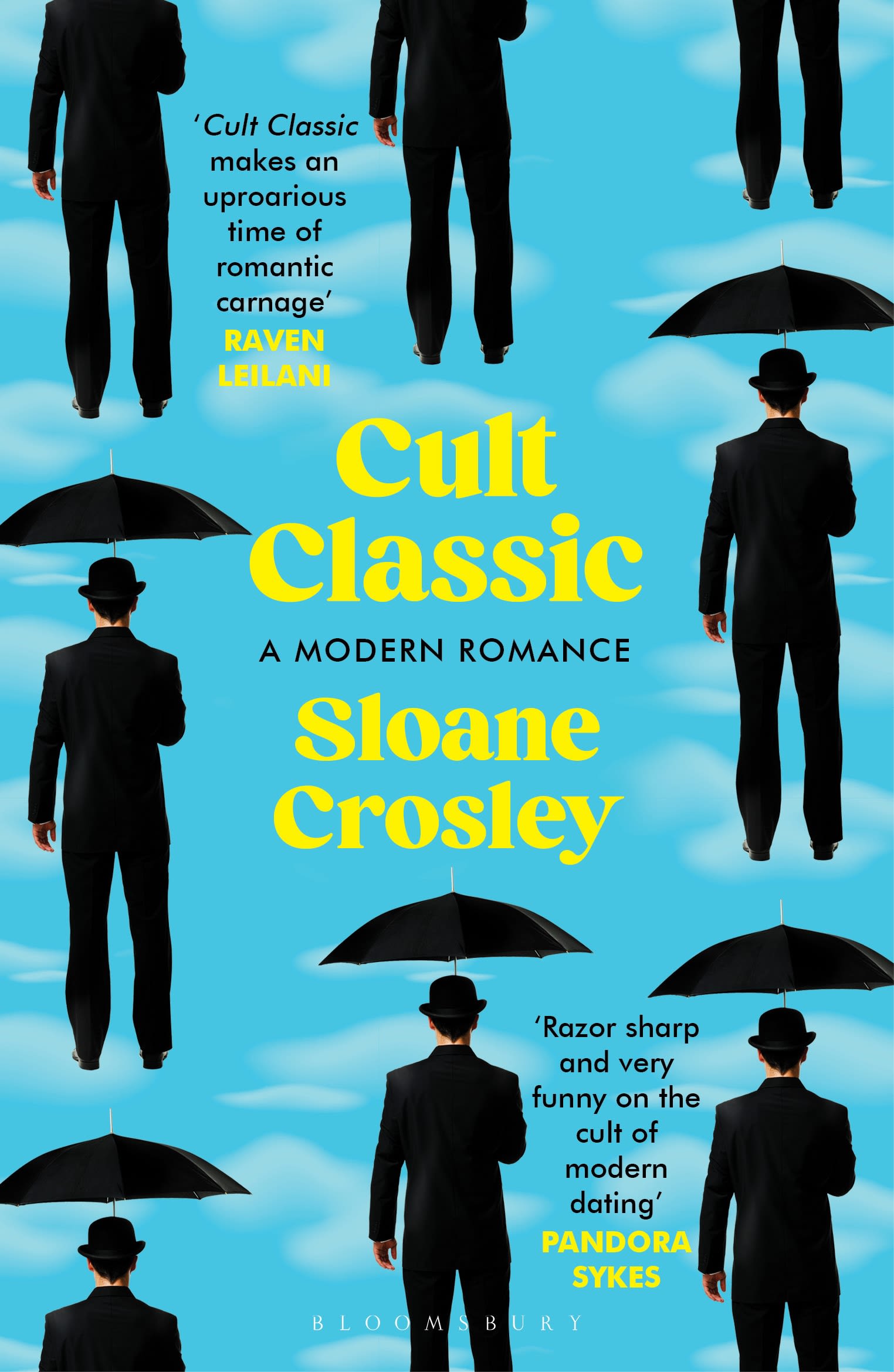
Cult Classic by Sloane Crosley, one of the funniest writers I have ever read – it’s like she has my exact sense of humour.
Which book do you wish you’d written yourself?
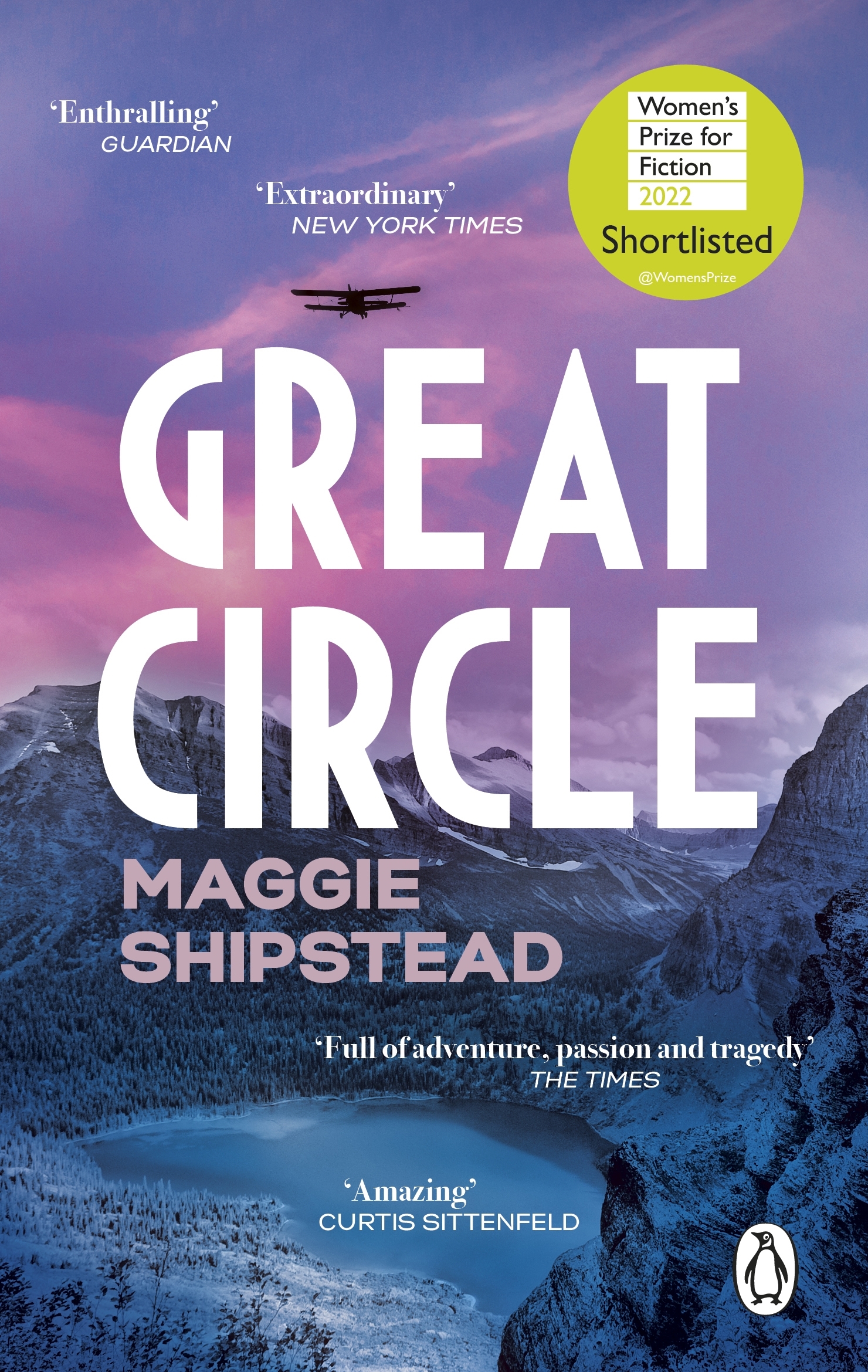
Crikey there are so many books I admire and love! How to choose? I do clearly remember that after I finished The Great Circle by Maggie Shipstead I thought, damn, I would love to have written something like this.
What’s a book you think deserves more hype?
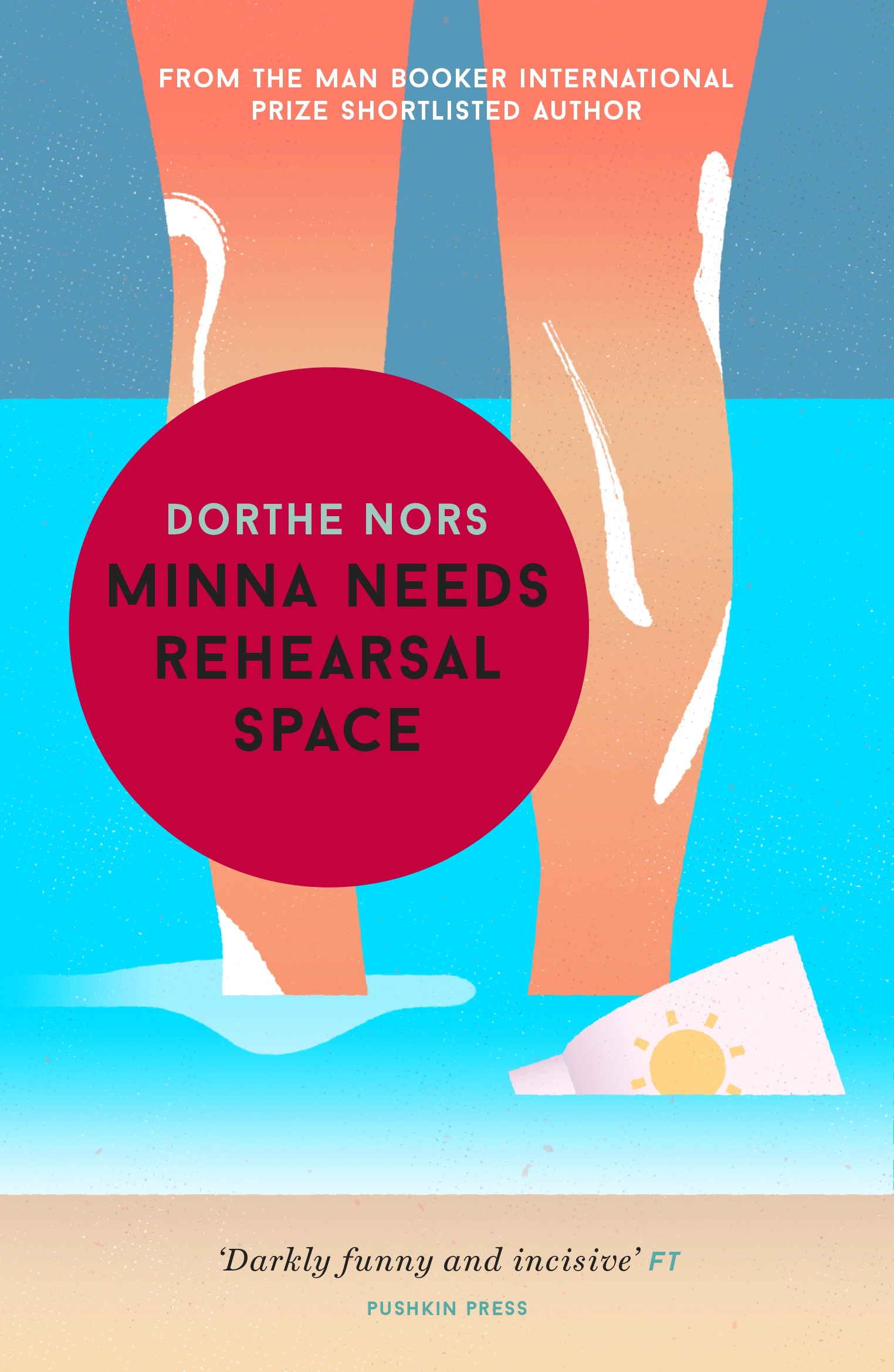
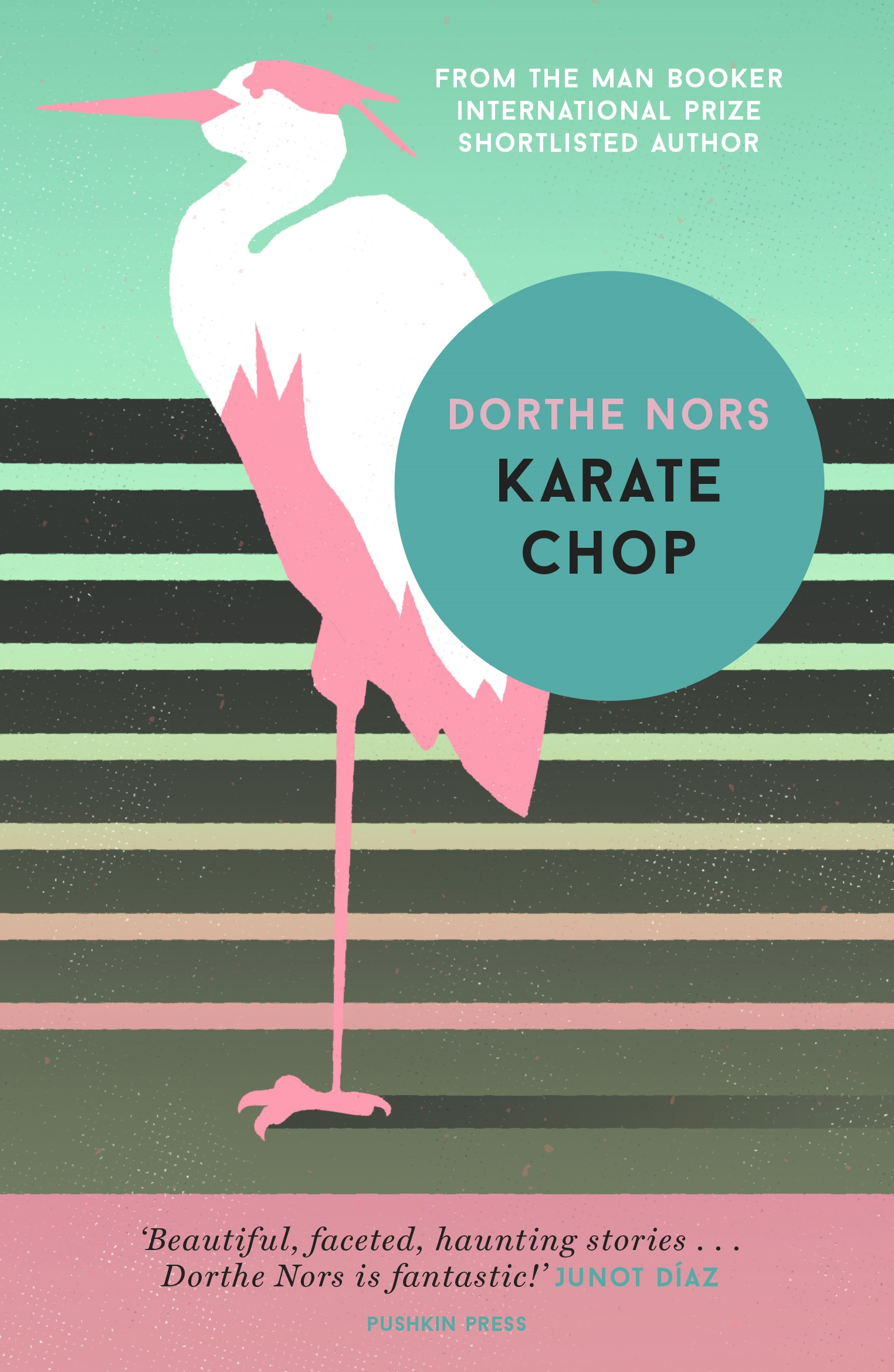
Dorthe Nors is an amazing Danish writer I think needs more readers – she has a new novel out now called Range that I can’t wait to read – her novella Minna Needs Rehearsal Space and her short story collection Karate Chop were both amazing so I can’t wait to read her new work.
What are you currently reading?
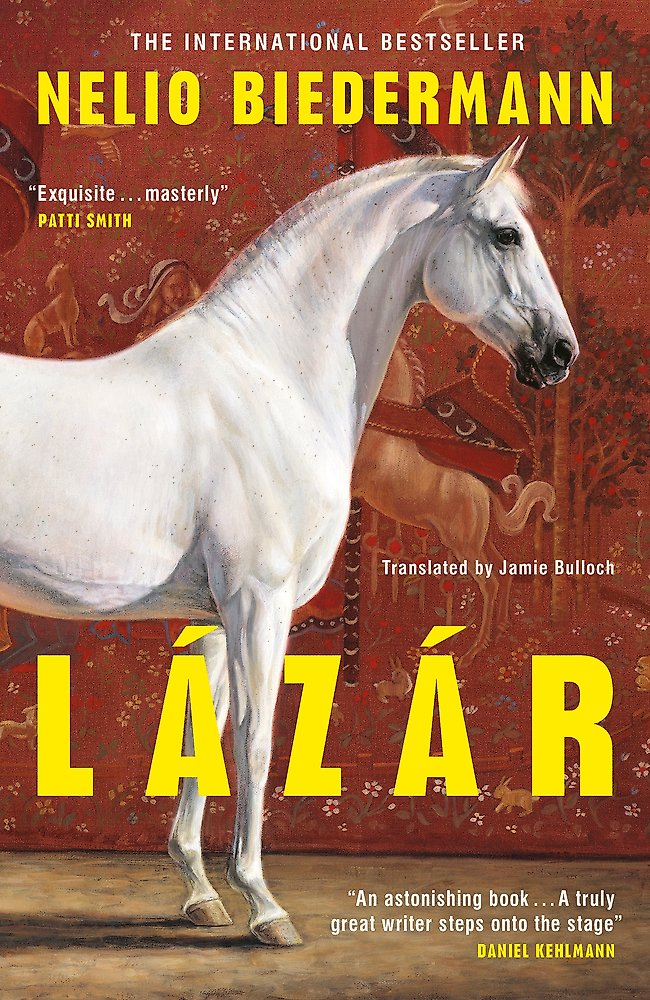
Have this Heart by Lawrence Patchett and Lázár by Nelio Biedermann
The one book you always recommend to others?
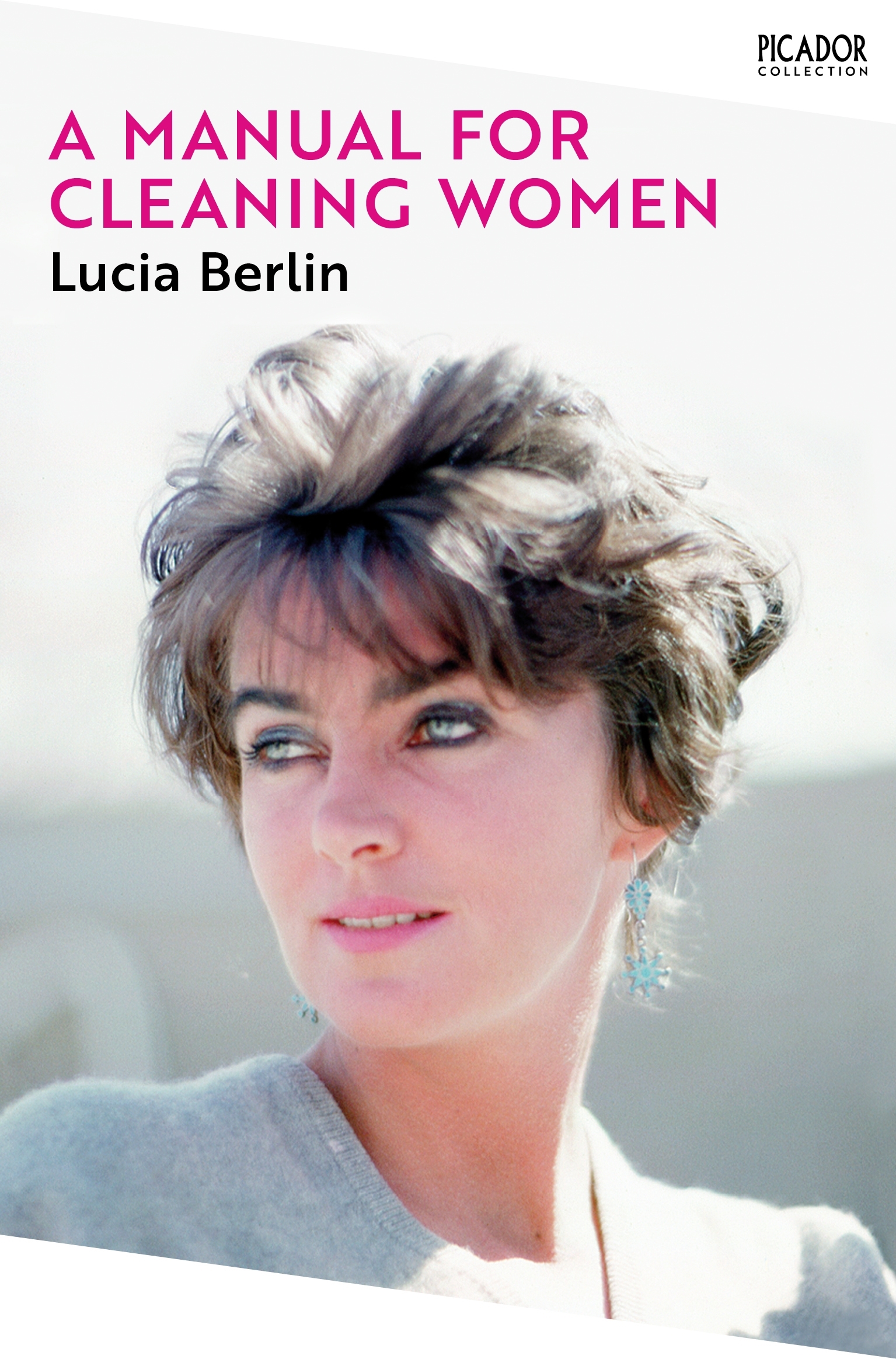
A Manual for Cleaning Women by Lucia Berlin







Leave a Reply
You must be logged in to post a comment.