
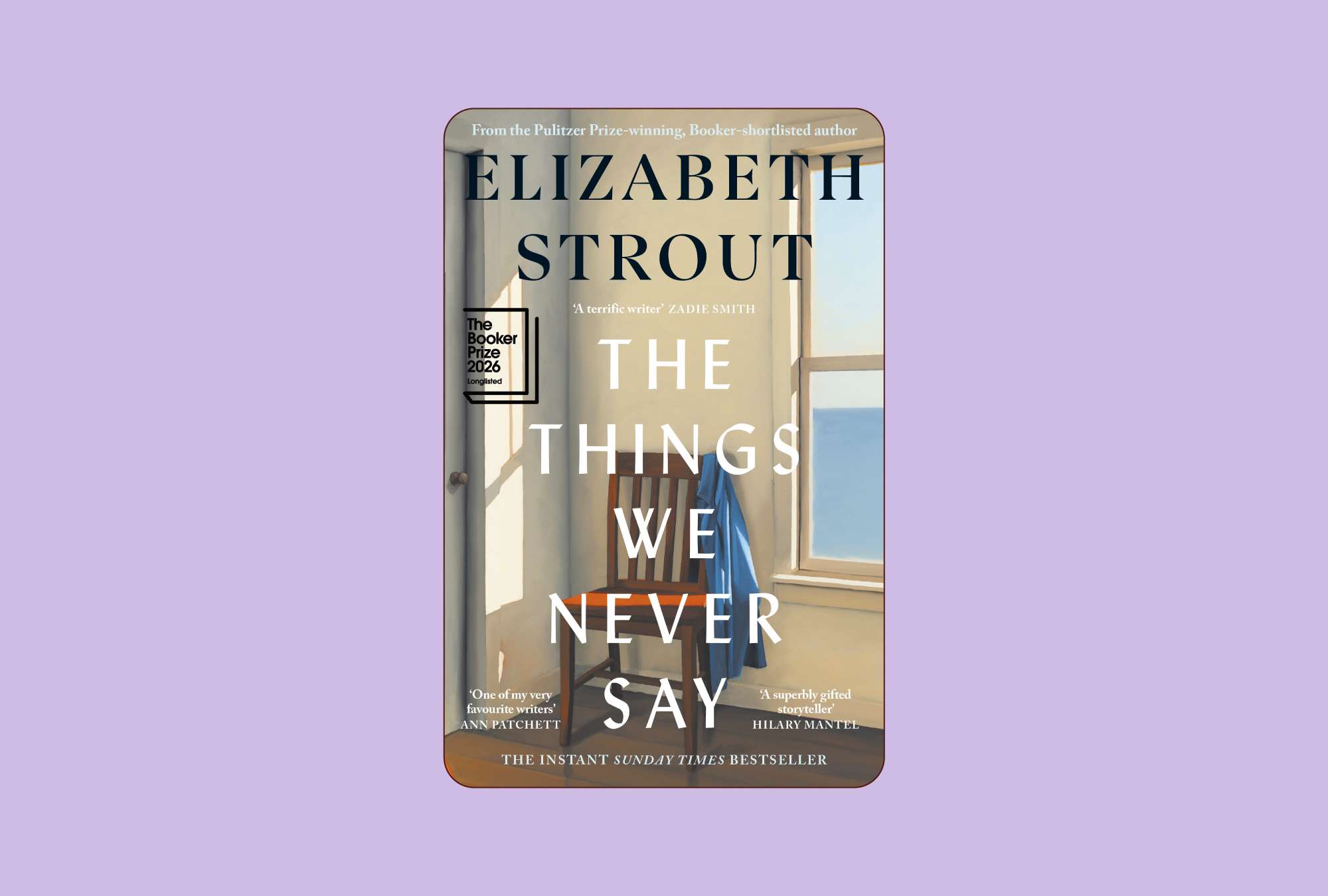
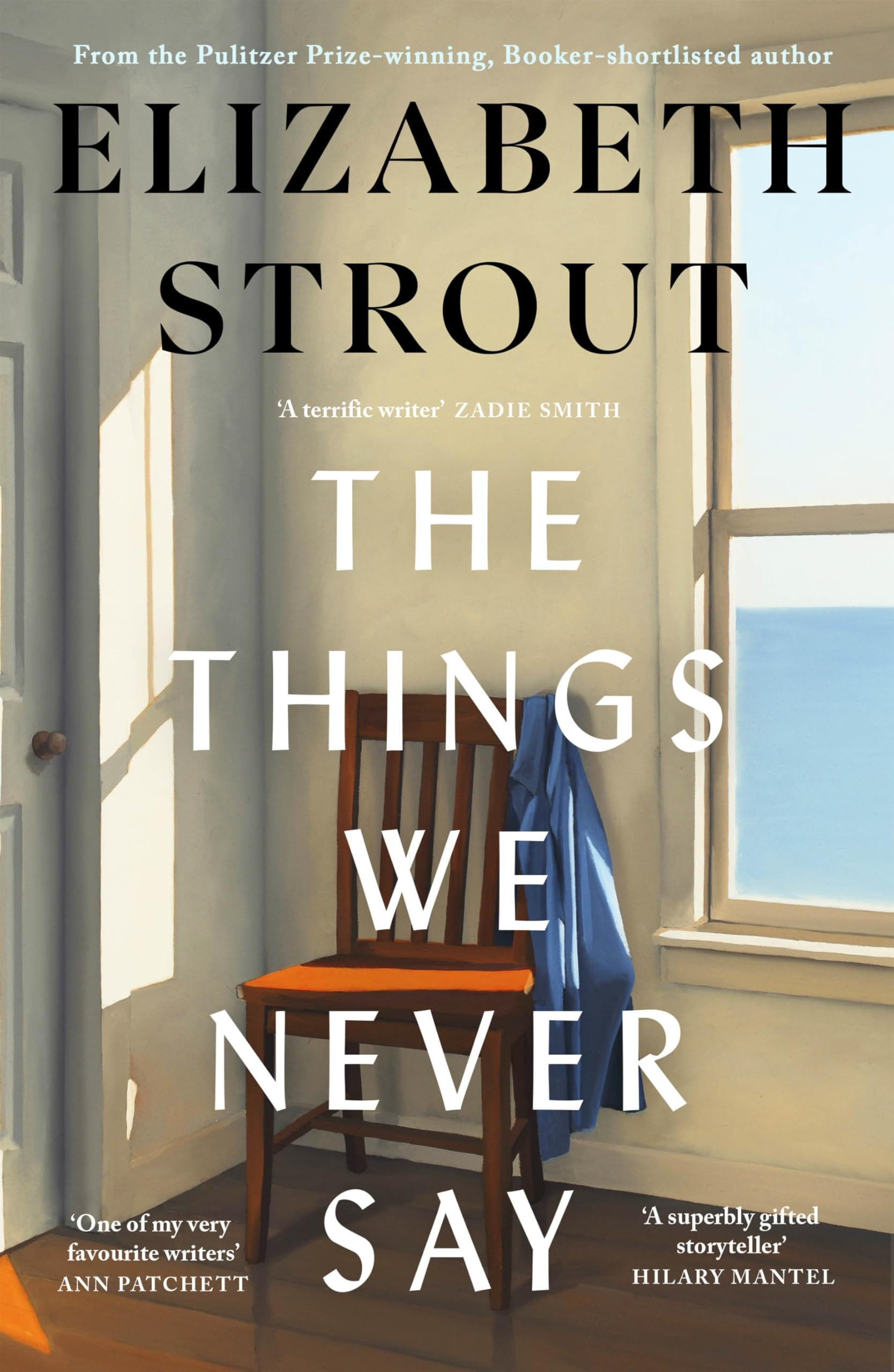
The Things We Never Say introduces us to Artie Dam, a high school teacher based in coastal Massachusetts, nearing his sixties. He’s well liked by his students, married to Evie, has a grown son, Rob, and spends his free time sailing. At first glance, his life feels steady, ordinary, safe. But as mental health struggles, past traumas, and long-held secrets begin to surface, everything slowly starts to shift off kilter.
There’s a growing sense of foreboding not just in Artie’s life, but in the lead-up to the 2024 United States presidential election. America is increasingly divided, and that tension begins to seep into everything. Artie begins to question whether there is any real free will left, a question that Strout continues to ask us as readers.
There’s a certain guarantee you get from Strout’s books: complex characters and lives written in that unmistakable Strout style that captures the messiness of being human. It’s exactly why she’s become such a comfort read for me, she is a true master of the human condition.
I was completely absorbed not just in Artie’s story, but in the wider cast around him. There’s so much more to uncover here, and I have high hopes we’ll revisit some of these characters in future books, as Strout has so cleverly interwoven her characters across novels in the past.
There’s a real thread running through this novel that bad things happen and people get things wrong, but that doesn’t erase who they are, or their intent to be good. And what is good, really? What is bad? The lines feel increasingly blurred. Can someone be a good friend and still hold political views you fundamentally disagree with? Can someone make a mistake that leads to tragedy and still be a good person? And if it all ends differently to how it began, does that define who you were?
It’s this tension that runs through the novel, echoing the moral grey areas that have come to shape so much of recent life, and the very human struggle to reconcile them, as the lines between good and bad feel more pronounced than ever, yet increasingly difficult to make sense of.













Leave a Reply
You must be logged in to post a comment.