

Content note: This article discusses sexual assault, sexual violence and child sexual exploitation.
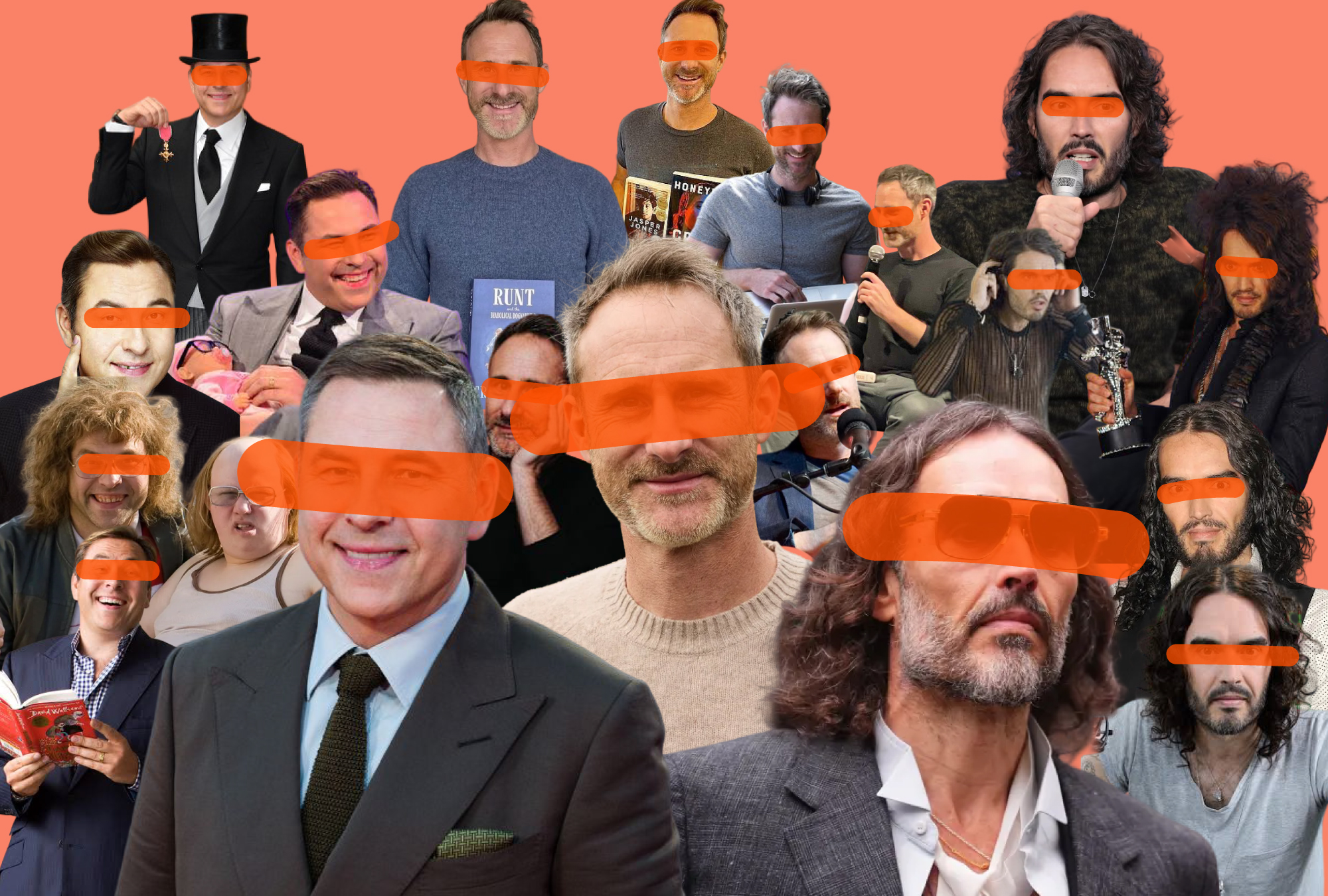
I’m not entirely sure where to begin. Over the past fortnight, we’ve watched Australian author Craig Silvey sentenced to just seven months in prison for child exploitation material offences, followed by the publication of his extraordinary 9,000-word non-apology, ironically titled My Apology. In Britain, Russell Brand has been sentenced to ten years and six months in prison after being convicted of rape and three counts of sexual assault. And now, a three-year investigation by ITV News and The Guardian has brought forward further disturbing allegations against David Walliams, one of Britain’s most recognisable television personalities and bestselling children’s authors.
Last week, I considered writing an article about Silvey’s statement, but ultimately decided against it. It certainly wasn’t because I felt the subject didn’t warrant attention. But as the mother of a five-year-old girl, I found the whole thing so deeply upsetting that I couldn’t stomach spending an entire day unpacking 9,000 self-serving words in which a man convicted of possessing and distributing child exploitation material devoted so much attention to explaining himself. His seven-month prison sentence is particularly difficult to reconcile with the seriousness of his offending, especially when the suffering of the children involved feels so peripheral.
But the news keeps coming, and now I am enraged. Although, quite frankly, I feel like I’m perpetually enraged by the treatment of women and children. How many more women need to come forward before we start taking seriously the culture that enables men to behave this way? How many people have to look the other way, excuse their behaviour or protect their reputations before we acknowledge the scale of the problem? And why do these men continue to command enormous platforms and devoted audiences, even when their behaviour is exposed?
The investigation by ITV News and The Guardian, accompanied by the documentary David Walliams: Power and Silence, has just been released (10 November 2026), bringing to light the fresh allegations against the entertainer in detail. The women who spoke to investigators described strikingly similar experiences spanning more than two decades, from the height of his Little Britain fame through his years on Britain’s Got Talent and his enormously successful career as a children’s author.
Their accounts included being pursued as teenagers or young adults, offered professional opportunities and, in some cases, drawn into sexual encounters. Several described feeling taken advantage of, particularly given their young age and the considerable imbalance of power between them and Walliams, an established figure in the entertainment industry. One woman described being contacted by Walliams when she was just 15 and he was 32, before becoming sexually involved with him at 17, he was 34. Walliams denies allegations of grooming, sexual harassment and other wrongdoing.
The accompanying documentary also included troubling testimony from people who had worked alongside Walliams, raising questions about how concerns surrounding his behaviour were handled across the entertainment and publishing industries. Former HarperCollins employees described warnings about leaving young women alone with him, precautions taken when staff visited his home to collect manuscripts, including going in pairs, and concerns reportedly raised with management over several years. Here was an author whose books had sold in their millions, generating enormous revenues for his publisher, while employees were allegedly making arrangements to protect female colleagues from him.
HarperCollins announced in December 2025 that it would no longer publish new books by Walliams, and in September this year confirmed it would also stop publishing his backlist, gradually phasing out existing stock. But the allegations are extensive, raising serious questions about how concerns could circulate across different stages of such a high-profile career without prompting more decisive intervention. I would encourage anyone who feels able to watch David Walliams: Power and Silence to do so, to get the full picture.
Last night, I listened to Richard Osman and Marina Hyde discuss Russell Brand on their podcast The Rest Is Entertainment. Their episode, Russell Brand: What the Media Knew, examines how Brand moved between broadcasters and entertainment companies, and the difficulty of holding individuals accountable in an industry heavily reliant on freelance contracts, where concerns about someone’s behaviour can easily fall between the cracks.
Brand’s career began firmly in the mainstream, moving from British television and radio to Hollywood. But as concerns about his behaviour mounted, his relationship with mainstream entertainment became increasingly fraught, and he eventually found a new home in American right-wing online commentary. There, he cultivated an enormous audience willing to listen to his gobbledygook and, in many cases, defend him in the face of serious allegations of sexual misconduct.
Comedian Katherine Ryan deserves particular recognition for publicly challenging Brand long before the allegations became the subject of a major investigation. The late Sean Lock also made pointed remarks about Brand’s public persona, while clips of fellow comedians making uncomfortable jokes about Walliams’s behaviour are also circulating on social media. It is deeply troubling to look back at these moments and consider just how much was seemingly understood within entertainment circles, yet how little those who recognised and spoke out about the behaviour were able to do to stop it.
Just the other day, I was sitting on the sofa watching a news story about sexual assault with my partner when he turned to me and said, “Remember that time we were in that bar and that guy grabbed your breasts and shoved his face into them?” Of course I remember. We were in a busy bar in Queenstown, surrounded by people, when it happened. I shoved the man away, we alerted a bouncer, and he was kicked out. That was the extent of the repercussions.
As I pointed out to my partner, this was just one of many occasions when a man has felt entitled to touch my body without my consent. And my point to him was this: if men feel entitled to behave like this in plain sight, can you imagine what women experience behind closed doors?
Almost every woman has a story like this. And I don’t think men fully appreciate the sheer volume of these experiences, or the cumulative impact they have on women over a lifetime. Nor do they necessarily understand the extent to which generations of women have been conditioned to brush off behaviour that made us deeply uncomfortable, for fear of making a fuss or being accused of overreacting. Or, in many cases, because we simply didn’t yet have the language to voice what had happened to us.
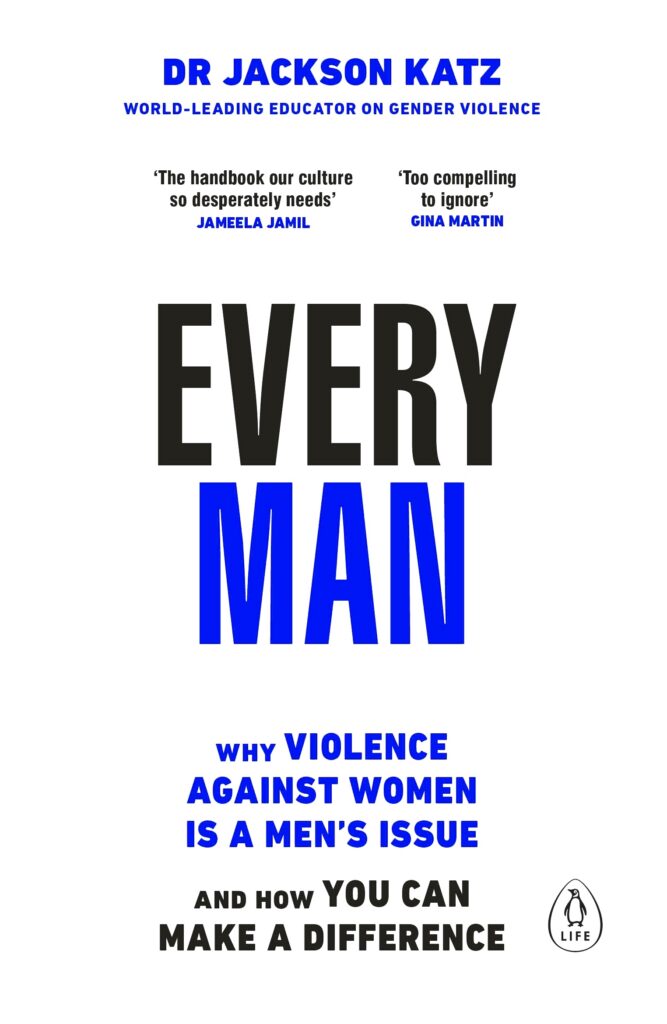
Dr Jackson Katz, the American educator and author whose work focuses on preventing men’s violence against women, has spent decades arguing that we need to stop treating sexual violence as a problem for women to solve. His work examines the wider cultures, communities and institutions that tolerate, excuse or enable men’s violence.
In a speech, actress and activist Ashley Judd drew on Katz’s work to make a point about the collective responsibility for men’s violence against women:
“It takes a village to raise a violent man. It takes a village to raise a rapist. Not all men are violent, but most men are silent about other men’s violence.”
What I found particularly startling, considering so much of the alleged behaviour by Walliams took place on television sets, was that among the many women who appeared on camera to speak about Walliams’s conduct, only one man came forward as a witness.
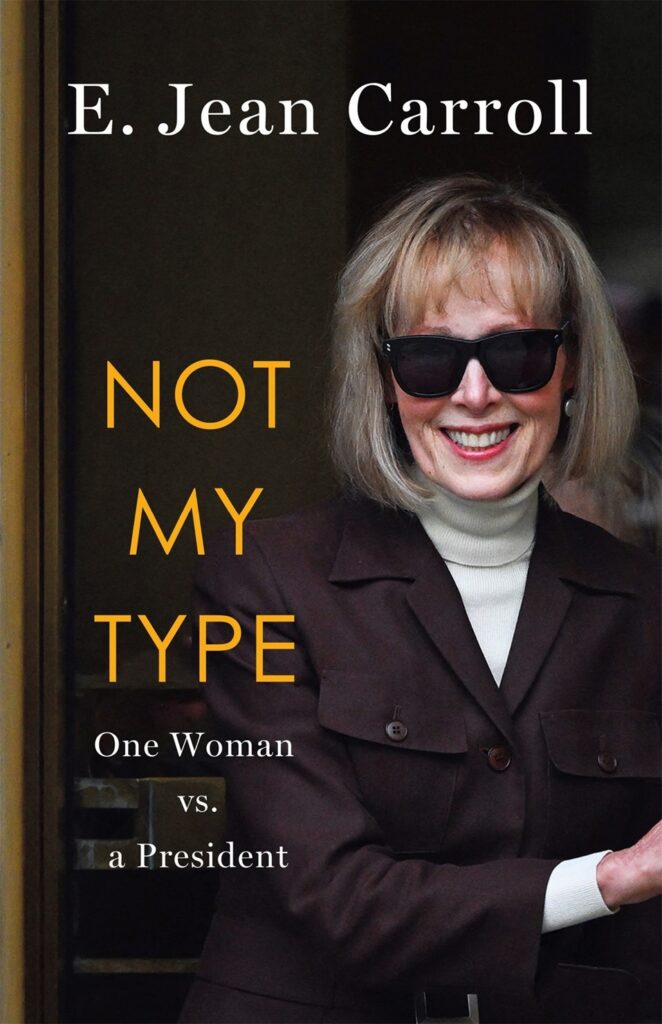
The public response to allegations of sexual misconduct can be just as disturbing as the institutional failures. And is it any wonder some men feel they can continue behaving this way when we live in a world where Donald Trump was found liable by a civil jury for sexually abusing and defaming E. Jean Carroll, yet was subsequently re-elected President of the United States? What sort of message does that send to men about the consequences of their behaviour?
You only have to look at the comments sections beneath reports of a civil lawsuit filed by a former Cornell University student against the university, a fraternity and seven former students over allegations of gang rape and sexual assault to see just how readily people will defend accused men while turning their scrutiny on the woman speaking out. Social media only compounds the problem, with inflammatory responses attracting attention and engagement, often giving the most appalling opinions greater visibility.
There is an increasingly influential online culture in which allegations against prominent men are reframed as attempts to silence them. Accountability becomes persecution, investigations become conspiracies, and the people reporting misconduct are dismissed as corrupt, woke or politically motivated. As their behaviour comes under increasing scrutiny, the response seems to be an almost childish attempt to deflect responsibility by insisting that “we’re not wrong, you are.”
We cannot ignore the extent to which wealth and influence have afforded powerful men protection from accountability. Whether through non-disclosure agreements, financial settlements or the ability to fund lengthy legal battles, money can be an extraordinarily effective means of keeping allegations out of the public eye. In Walliams’s case, there are serious questions about the extent to which his commercial value to his publisher influenced its response to allegations about his conduct. And in Brand’s case, his considerable online following has provided him with a platform through which to challenge the allegations against him and portray himself as the victim of a coordinated attack.
The rise of the manosphere has created an entire ecosystem of men building lucrative platforms by promoting these narratives, with audiences all too willing to buy into the beliefs they’re selling. Much of the manosphere seems to be built on a complete rejection of accountability, with men behaving badly wanting to hear from other men that their shitty actions are okay.
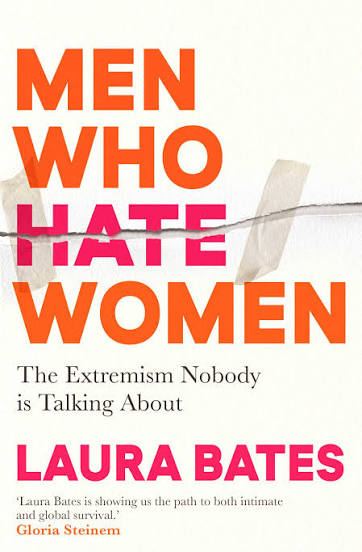
Speaking of a lack of accountability, cue the social media platforms fuelling the manosphere’s growth. In her book The New Age of Sexism, Laura Bates draws attention to research showing that it takes an average of just 23 minutes for social media algorithms to begin recommending misogynistic content to accounts belonging to teenage boys.
I’ve also been thinking about Suzie Miller’s Prima Facie and Inter Alia, particularly because Inter Alia is our Bookety Club selection this month, and I’ve been working on my full review of the novel. Miller is a former human rights and criminal lawyer turned playwright and author. Prima Facie follows a successful criminal defence barrister whose faith in the justice system is fundamentally challenged when she experiences sexual assault herself. Inter Alia follows a Crown Court judge whose professional convictions collide with her responsibilities as a mother when her son is accused of rape.
Miller’s work is particularly effective at exposing the gap between what happens to a person and what can be established in a courtroom. As we know, sexual assault cases are notoriously difficult to prosecute, particularly when there are no independent witnesses and the case rests heavily on conflicting accounts. The defence does not need to establish that an accused person is innocent, only that the prosecution has failed to prove guilt beyond reasonable doubt. And we know how frequently rape myths, assumptions about victims’ behaviour and attempts to undermine their credibility have featured in the treatment of sexual assault allegations.
Prima Facie has gone on to make a very real impact beyond the stage, inspiring a group of barristers and judges who attended the West End production to establish TESSA (The Examination of Serious Sexual Assault), an initiative advocating for reform of the UK’s sexual assault laws. The play has also been incorporated into judicial training in Northern Ireland, demonstrating just how powerful storytelling can be in challenging the institutions responsible for delivering justice.
I found myself reading the final pages of Inter Alia with my heart pounding and a lump in my throat. Miller has an extraordinary ability to articulate so much of what we’re grappling with:
“I think about how furious we all are over what the patriarchy is doing to girls. But we raise these beautiful boys and what does the patriarchy do to them? It tries to destroy all that is good. Lures them into a pact of shameful secrets. Of how to think about women. It tells them it’s weak to ask questions, or to express doubt or fear around cruel behaviour.”
Because ultimately, as Miller and Katz both point out, if we want to change the way women are treated, we also need to confront what boys are being taught about masculinity, how they view women, and what they are expected to tolerate, or remain silent about, when it comes to the behaviour of other men. But that responsibility cannot fall solely on parents or schools. It extends to workplaces, institutions, the media, and increasingly the online platforms hosting the personalities shaping young men’s attitudes. For real change to occur, our entire society needs a reckoning.
We cannot overlook the vital role of investigative journalism in bringing these stories to light. The investigation into Walliams by ITV News and The Guardian alone took three years. Three years of speaking to sources, examining correspondence, corroborating accounts and navigating legal challenges. Investigating allegations against wealthy, influential individuals requires substantial resources, experienced journalists and legal teams prepared to defend their reporting.
At a time when traditional media is struggling financially, I worry about how much longer news organisations will be able to afford this kind of work. We rely so heavily on investigative journalists to uncover stories that might otherwise never come to light, and I wonder how many will go untold as newsrooms face shrinking budgets and fewer resources to pursue lengthy, expensive investigations. Which only serves to reinforce the need for a justice system that is better equipped to support victims of sexual violence, hold perpetrators accountable and ensure that justice does not depend on the resources of a newsroom or the willingness of a woman to share her trauma publicly.
None of these stories could have come to light without the women who found the courage to speak out. We owe you an enormous debt of gratitude. But more than that, we owe you a society that is better equipped to respond to sexual harm, hold perpetrators accountable and, above all, prevent it from happening in the first place.
Every woman who comes forward has the potential to make another feel less alone, and to make it that little bit easier for someone else to find their voice. It is an enormous relief to see some of these women finally being listened to. And I am sorry that we live in a world where victims and witnesses have to risk their careers and personal safety once more in order to be heard.
To those who do not feel able to speak publicly, or simply choose not to, please know that you are no less deserving of compassion, support and justice. There are countless reasons someone might not want to revisit or share an experience of sexual violence, and none of them require explanation or justification. Nobody owes the public their story, nobody should have to relive their most painful experiences to be taken seriously, and choosing not to speak does not diminish what happened to you or make you any less courageous.
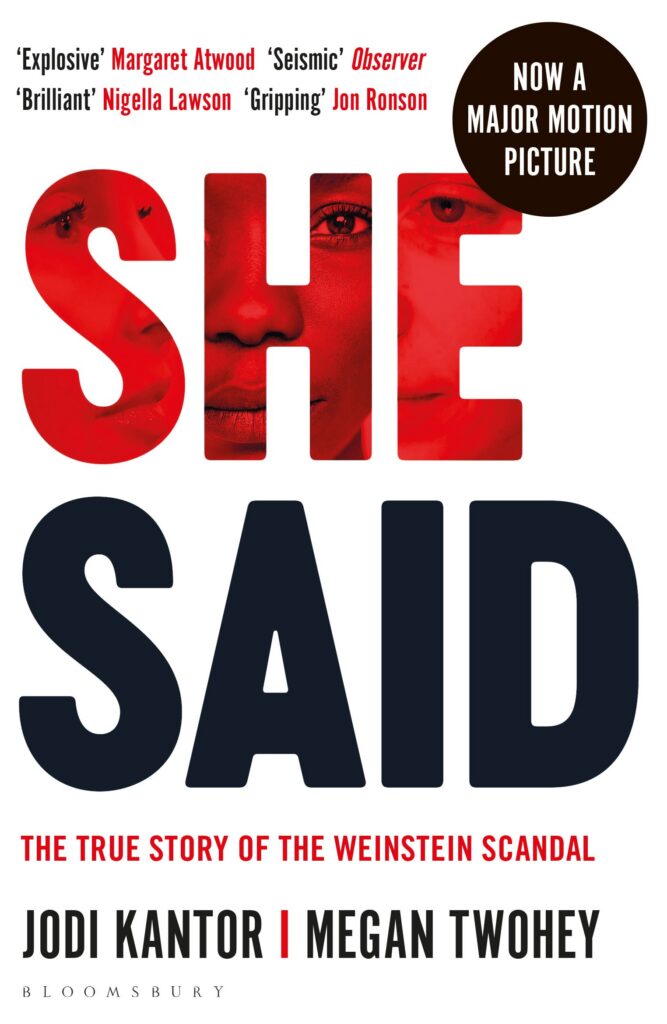
Books have played an important role in exposing institutional failures, challenging the way we talk about sexual violence and giving other women the language to articulate their own experiences. And so, while these men can use their enormous platforms to perpetuate and validate the very cycles of harm and abuse they are implicated in, I can use mine to amplify the voices of women who have had the courage to speak out.
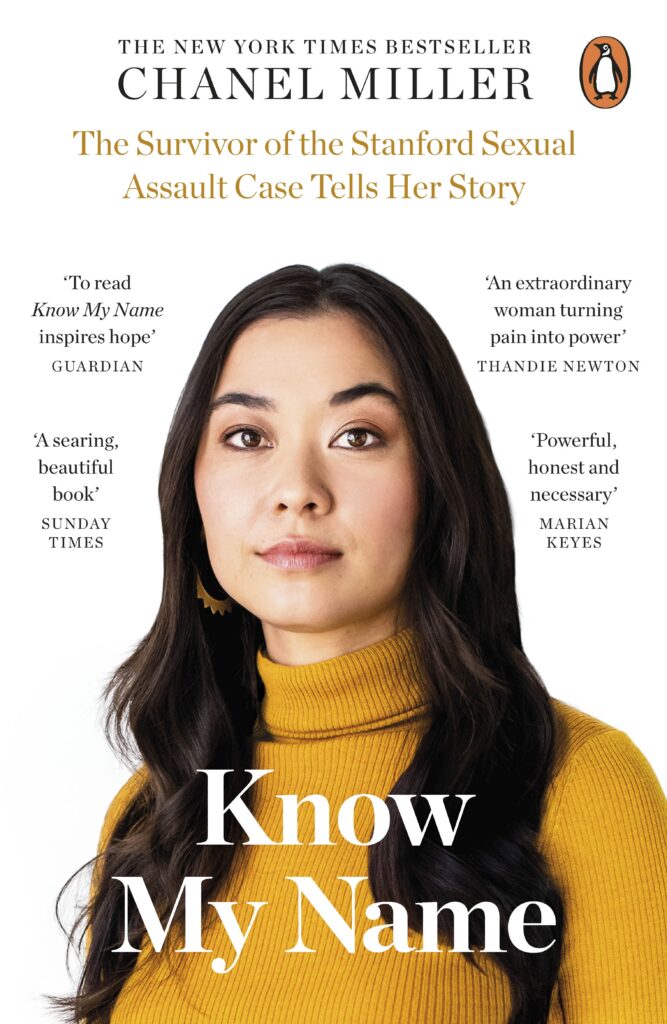
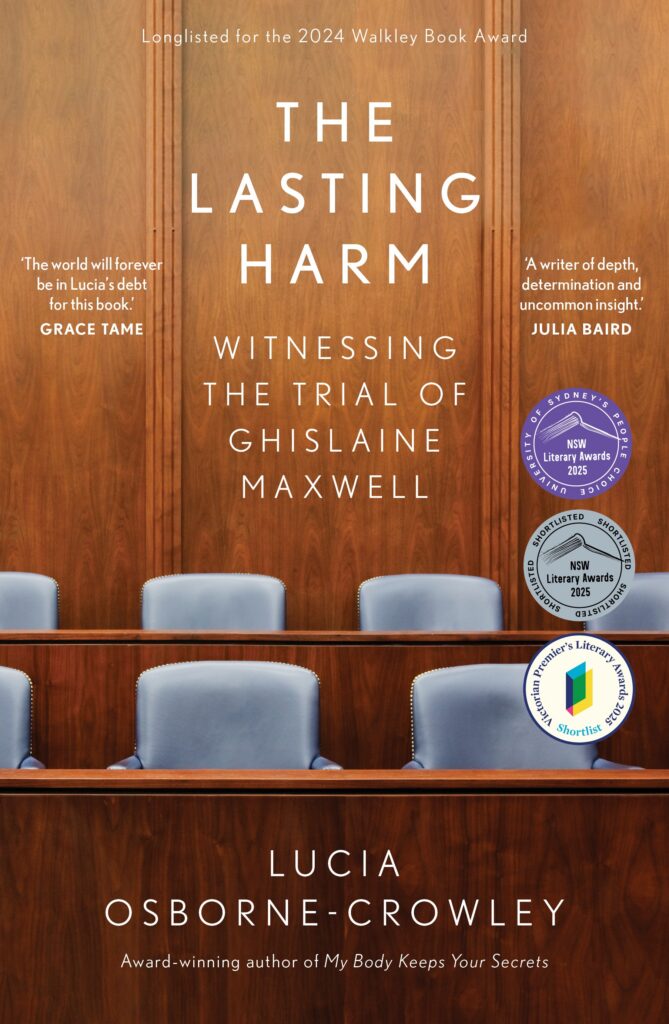
So I’d like to finish by highlighting some of the extraordinary books written by women who have helped bring these conversations into the open, and whose work continues to challenge the systems that have failed so many.
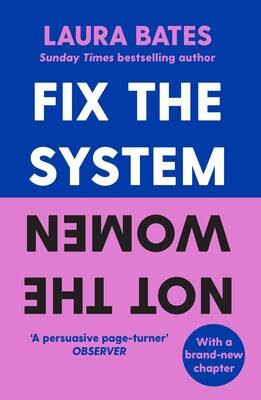
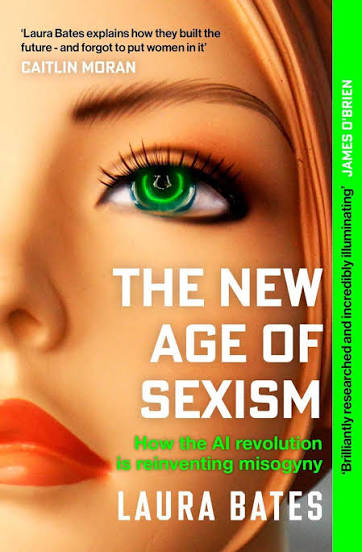

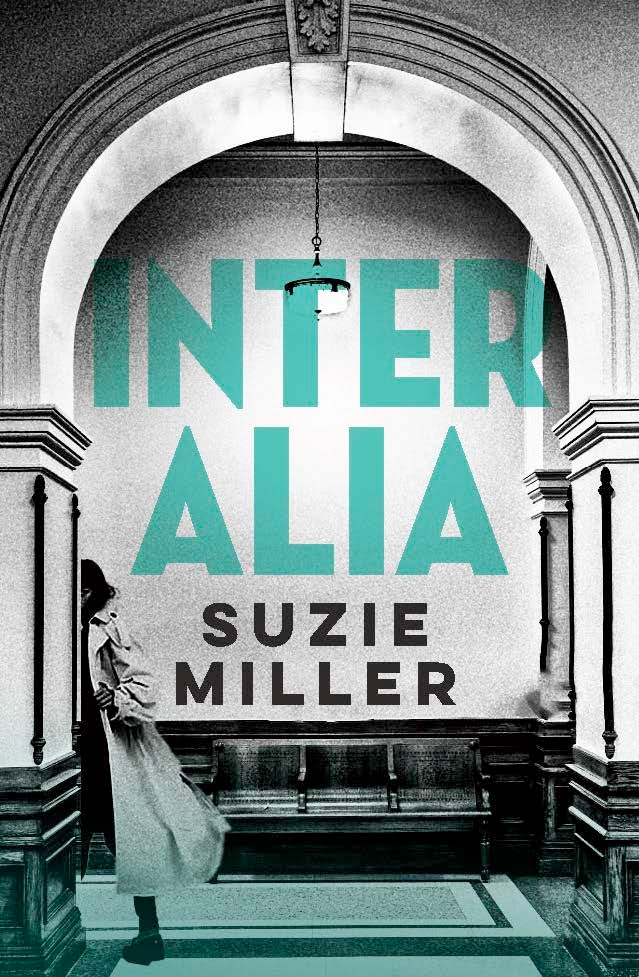



Update: Since publishing this article, Russell Brand’s Facebook and Instagram accounts have been removed from Meta’s platforms.
Support services
If you have experienced sexual violence or abuse, or are supporting someone who has, confidential advice and support are available through the following organisations.
- Aotearoa New Zealand: Safe to Talk | 0800 044 334 | Text 4334 | https://www.safetotalk.nz
- Australia: 1800RESPECT | 1800 737 732 | Text 0458 737 732 | https://www.1800respect.org.au
- United Kingdom: Rape Crisis | https://rapecrisis.org.uk
- United States: RAINN National Sexual Assault Hotline | 800 656 HOPE (4673) | https://rainn.org














Leave a Reply
You must be logged in to post a comment.