
Lena Dunham has already lived many lives. Raised in New York by famous artist parents, thrust into fame in her own right in her twenties, navigating chronic illness, relationship breakdowns, internet outrage, and the impossible weight of becoming “the voice of a generation”, or at least “a voice”, all while the world scrutinised her every move. This book is a fascinating look at how audiences could celebrate the flawed characters in her fiction while simultaneously hating her for embodying those same flaws in real life.
At just 24, she was starring in, writing, and directing her own hugely successful television show. And let me tell you, I was obsessed with Girls when it first aired, illegally streaming it from some dodgy website riddled with pop-ups. Having grown up in the 90s and 00s, when women were publicly scrutinised for absolutely everything, suddenly here was a show telling me that actually, women can be complicated. Women can be embarrassing. Women can make terrible decisions and still deserve space in the world. And I was right there making mistakes through my own early twenties alongside Hannah, Jessa, Marnie, and Shoshanna. Tip: I highly recommend pairing this memoir with a rewatch of Girls for a full nostalgic experience.
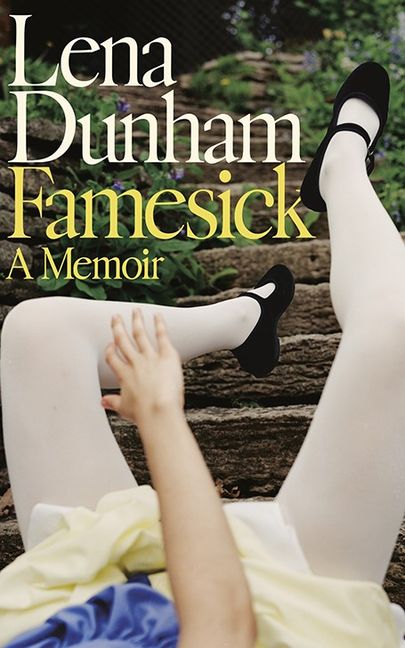
This book is full of behind the scenes gossip and completely unfiltered reflections, from her relationship with Adam Driver and Jenni Konner to her relationship with Jack Antonoff. But underneath all of that is something much bigger about public shame, womanhood, addiction, internet culture, chronic illness, feminism, creativity, and what happens when somebody becomes both wildly successful and wildly hated, to the point where even their own name begins to feel like a slur.
So much of the criticism she has faced over the years has come wrapped in the moral righteousness of online culture. We have built an internet where people rush to publicly identify what is wrong with someone else as a way of reflecting back their own moral goodness. And what that creates is a deeply anxious and performative world where nobody feels safe to say the wrong thing, admit uncertainty, evolve publicly, or have difficult conversations anymore. Everything becomes about appearing good instead of being human.
This is not to say harmful behaviour shouldn’t be criticised. But I increasingly feel uncomfortable with the way the internet leaves absolutely no room for people to screw up, apologise, learn, and continue living afterwards. Especially in a world where children are watching this cycle of viral outrage unfold in real time, what are we teaching them? That one mistake should define you forever? That there is no space to grow, change, or come back from getting things wrong?
These standards of perfection only serve to further filter and flatten reality in online spaces, while perpetuating impossible societal expectations of an immaculate life.
There is something deeply vulnerable and brave about Lena Dunham writing this memoir and putting herself back out there so publicly after everything. Yes, she has made many mistakes. But I also think she has absolutely nailed this memoir. It serves as a fantastic reminder that Lena Dunham is an exceptional writer and storyteller.
I also suspect history will be far kinder to Lena Dunham than the internet has been in real time. I think, years from now, we will look back and we will call her the voice of a generation. But society still seems deeply uncomfortable with young women who are outspoken, vulnerable, ambitious, and imperfect.
I don’t need people to have a morally perfect track record in order to find value in what they create. Things are rarely black and white, and every situation deserves context and nuance. I think we lose something deeply important when we only allow public space for polished, media-trained, endlessly sanitised versions of humanity.










Leave a Reply
You must be logged in to post a comment.