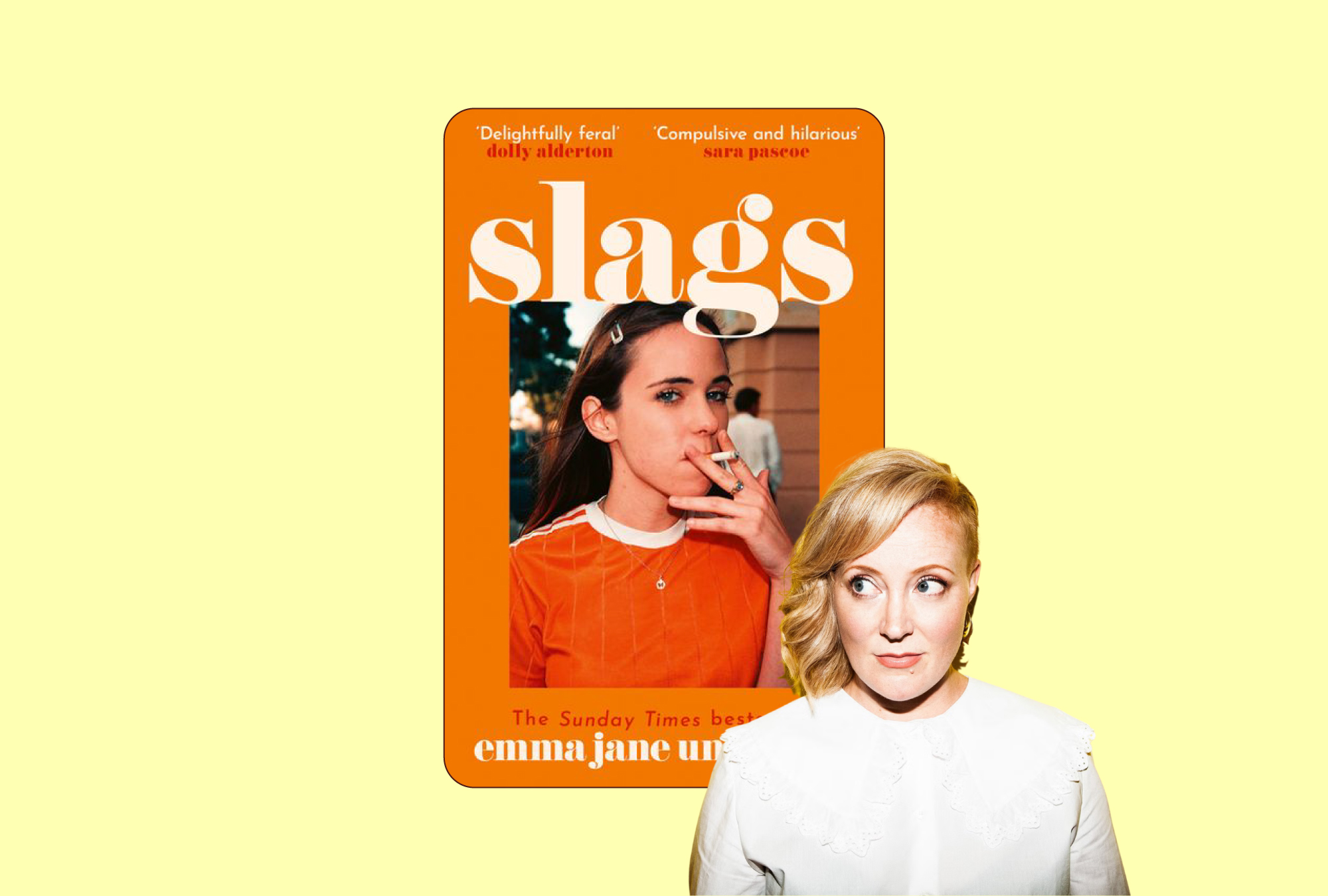
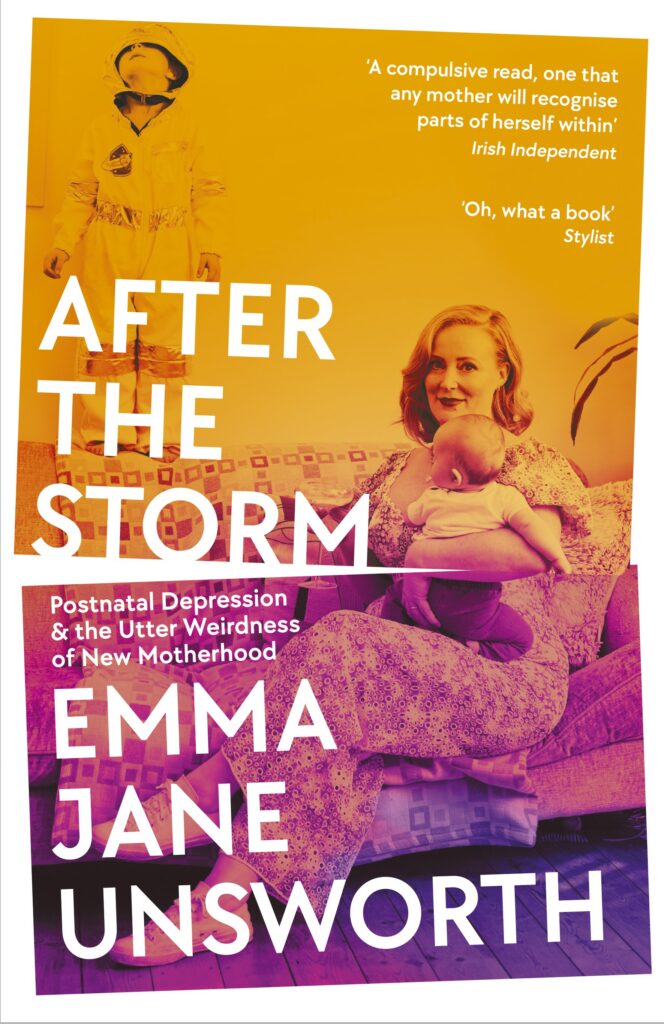
Emma Jane Unsworth has a knack for writing women at their messiest, funniest and most real. The British novelist and screenwriter is the author of Adults and the memoir After the Storm, which explored her experience of postnatal depression and motherhood.
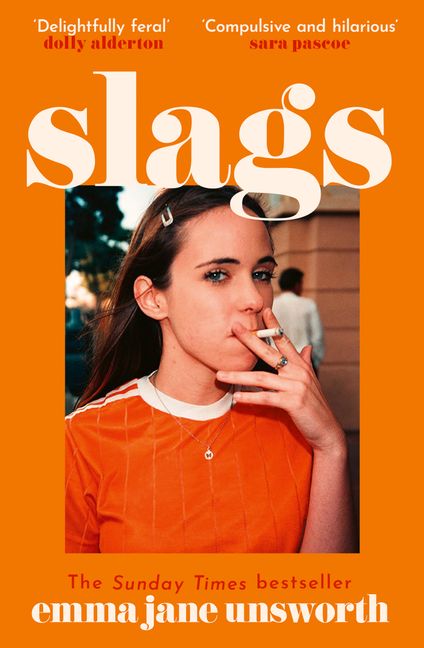
Her latest novel, Slags, is no exception. Following two sisters on a chaotic road trip through the Scottish Highlands, the novel moves between their lives in their forties and the intensity of their teenage years, exploring everything from sisterhood, ageing parents and our relationship with alcohol to the choices we make around marriage, motherhood and what adulthood is supposed to look like.
But it’s Unsworth’s portrayal of girlhood that really got us. Slags captures the obsessions, bad decisions, misplaced confidence and excruciating social politics of being a teenage girl with an accuracy that is both hilarious and slightly alarming. We spoke to Emma about writing those formative years, looking back at your younger self from middle age, sisterhood, choosing a different path through adulthood, and why humour is such an important part of the way she tells stories.
Could you tell us a bit about Slags – how would you describe it in your own words?
I would say it’s a coming of age novel for people who’ve already come of age a few times. Time to go again, and deeper! It’s about the razor-sharpness of teenage girls, the long shadow of 90s boy bands, the power of fantasies, the fun of campervans, the perils of whisky, and the joy and pain of having a sister.
The novel explores how our past selves shape who we become, particularly in the context of sisterhood. Was there a particular idea or moment that sparked this story for you?
I found some of my old teenage diaries at my mum and dad’s house, up in Manchester. The voice of my teenage self shocked me – I was so confident and sure of everything. At that time in my life, in my mid thirties, I was the opposite of that – lost, confused, off the back of a big breakup, living back with my parents as a 35yo. But here was this ballsy 15yo shouting at me, telling me about love and how happy she was going to be. I wanted to capture that spirit. I also felt like I owed that girl something, maybe.
Sarah and Juliette felt so real to me, flawed, funny, complicated. What was it like writing their individual voices, and capturing the complexities of their sisterly relationship?
I’m going to let you in on a secret. My first drafts are usually pretty terrible. So one of the main notes from my (excellent) editor on the first draft of Slags was that the sisters didn’t sound different. They were too similar. So a big job for me on the second draft of the book was making Sarah and Juliette feel really, really different. This involved going back to basics, writing character bios, really nailing them down. Sometimes even experienced writers have to go back to basics and it’s so important to remember that and be willing to do it. You miss stuff while you’re focusing on other things. I had a lot going on in this book with the timelines and the twist, and I dropped the ball on the characters a bit as a result. But that is what redrafts are for! I love redrafting. And redrafting. And redrafting. I hate first drafts. Love fifth drafts.
The way Sarah explores her relationship with alcohol in the book is fascinating, there’s this lingering blur between addiction and ‘just a bit of fun’ that’s never fully resolved. Could you share a bit about how you approached that part of her character?
It’s a source of inner conflict and that’s what you need for character-led stories, because that’s where you get a lot of your drama. An argument within a character gives you great momentum for a novel. I’m also very interested in what constitutes a healthy feeling. Sometimes I think everything in the modern world is a drug – Instagram, Vinted, emails, texts. It’s all dopamine. For Sarah’s character I wanted to look at how living on the edge, flirting with the uncivilised aspects of herself, related to things that had happened to her when she was a teenager; things she was still paying the price for. How much her urges were a result of denial, rather than an expression of freedom or boldness. How much she was in control of her own evolution. Desire and peace, and the abyss in between them, is very much my grey-area frolicking ground as a novelist.
Slags moves between the sisters’ teenage years and their adult road trip. What drew you to this dual timeline structure?
I had the teenage timeline for ages, but it wasn’t enough. I knew it didn’t mean what I wanted it to mean without seeing where she ended up in her midlife, that was what I was really exploring. But it took about ten years to click fully as a book, during which I wrote other books, but this book was always on my mind.
The teenage chapters were a real highlight for me, the nostalgia, the obsession, and the intensity of those coming-of-age years all felt so vivid and visceral. How did you manage to so accurately slip back into the mindset of being a teenage girl?
I stole from my own teenage diaries! I plagiarised myself. I’ll be expecting a letter from my own lawyer.
This book is brimming with humour and brilliant one-liners. Was writing the dialogue ever a challenge, or was it just pure fun to write?
I always redraft and punch up, it never comes out perfect, ever. But once I have my characters, I do wander around talking in my head as if I am them. And then I say things out loud to check it sounds natural. I also do a lot of screenwriting these days, more than novel-writing really, and dialogue in that medium has to be super-sharp, lean, purposeful and meaningful. You can’t get away with anything in a script. It’s tight and strict. A good discipline.
You’ve mentioned before that you write semi-autobiographical fiction. Can you unpack that a little for us? How do you figure out which bits of real life to keep, what to leave behind, and where things start to morph into fiction?
I take a big life dilemma I’m really feeling, then I make up some characters to talk about it, then I add a load of fictional beats to put it into a story shape worthy of a novel, then I add a few dashes of “real life” in the little details, as a final seasoning. That’s about it!
What do you hope readers take away from Slags?
Solidarity, fun, nostalgia, an urge to message their sister if they haven’t for a while.
What’s next for you? Do you see yourself writing more fiction, or returning to the political world in a new way?
I’m writing the next novel – it’s about ex friends. That’ll be coming out in 2027. I’m also writing a lot of television and a couple of films, which I hope I can say more about soon!
Can you describe your writing spot and routine for us?
I’m very lucky because I have a garden office away from the house, a spartan little room right at the bottom of the garden. It’s great because I can go in there, close the door, and forget I’m a mum for a few hours and create in absolute peace. If I try and write in the house, even if the kids aren’t there, I’ll see a thousand things that need doing, and I just can’t get the same headspace. I have the extra spice of autism so I also need a quiet, uncluttered space where I can go and reset. Little children are wonderful, but they are like novels. They demand everything. Even more than you knew you had. That’s the deal with the Universe. I’ll take it; I’m grateful for it. But what that means is I need to create another Universe to live in whenever I want to do my creative work. The office gives me that. Virginia Woolf was not wrong. What she omitted to mention was the need for soundproofing, a lockable door and, preferably, a champagne fridge. I work from 5am-7am (some days I even get up at 4, which I know sounds insane, but my brain is stupidly fresh then) then I see to the kids before school, then I work 9-4, then I see to the kids after school, then I work again after they’ve gone to bed, from about 8pm until about 10pm. I’m a workaholic at the moment but that’s where I want to be. I’m having a really wild, fertile few years and I want to make the most of them. And I love my work. I’m grateful for that too.
What books have you recently read and loved?
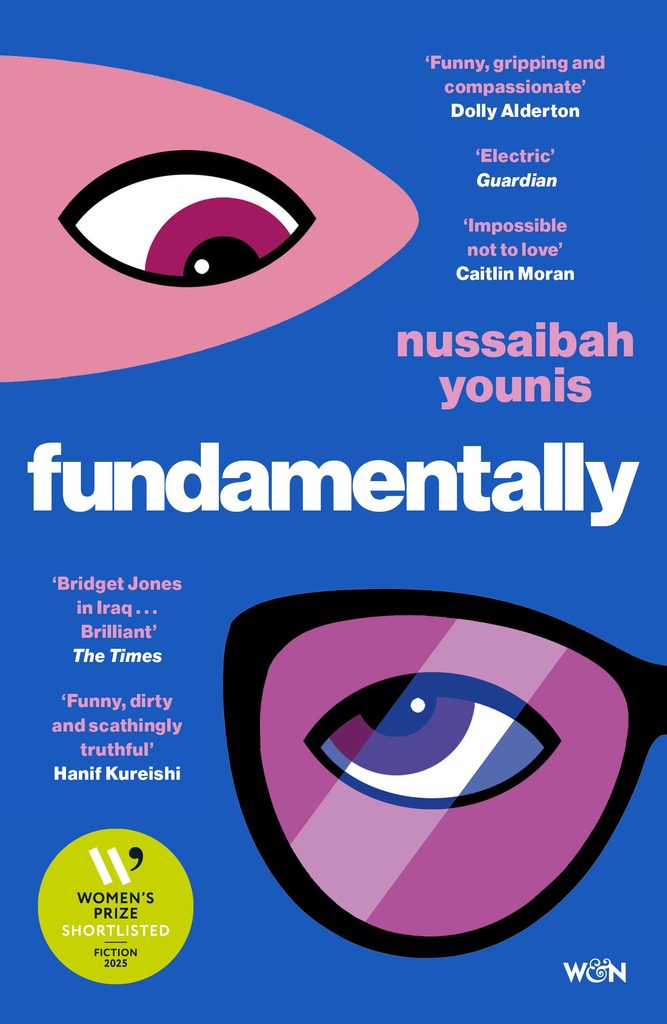
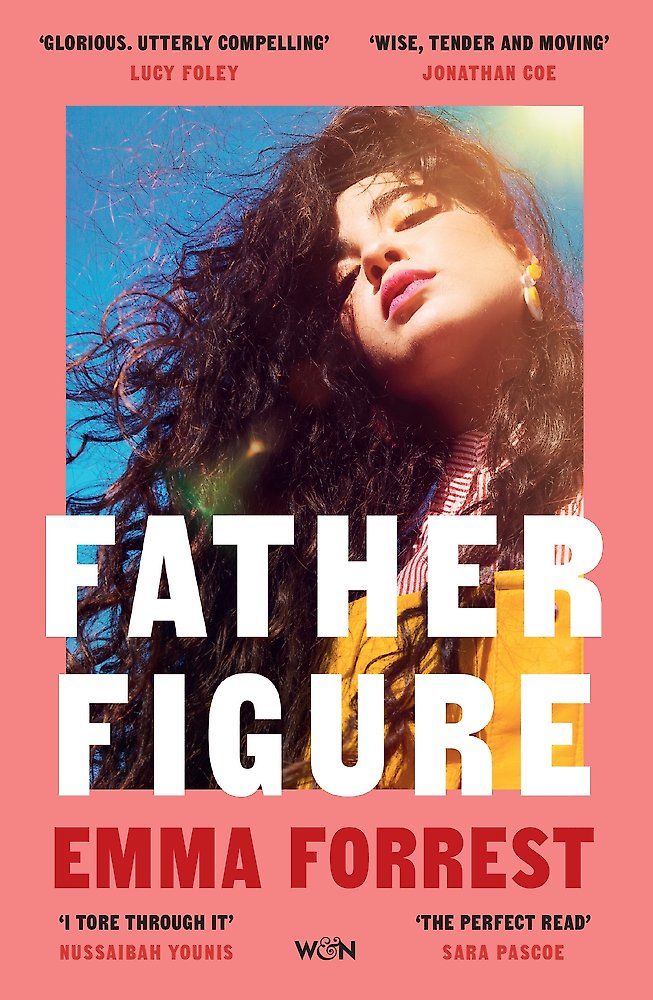
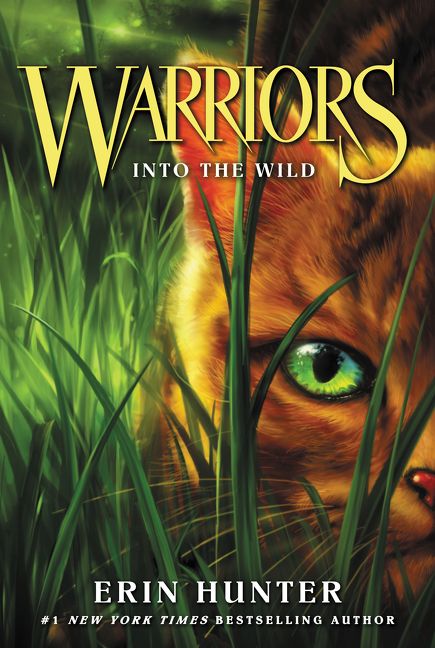
Fundamentally by Nussaibah Younis and Father Figure by Emma Forrest. Two of the greatest novels of 2025 in my opinion. I’ve also just started a mini book club with my 8-year old and we are currently reading a series called Warrior Cats by Erin Hunter and it’s wonderful, beautifully written and full of adventure. We’re loving it.
And finally, what is the one book you always find yourself recommending to others?
Postcards from the Edge by Carrie Fisher. My favourite book of all time, and a masterclass in voice and character. I feel like a lot of Slags was written in conversation with this book. I probably live my life in conversation with this book to be honest. She’s a ledge.











Leave a Reply
You must be logged in to post a comment.