
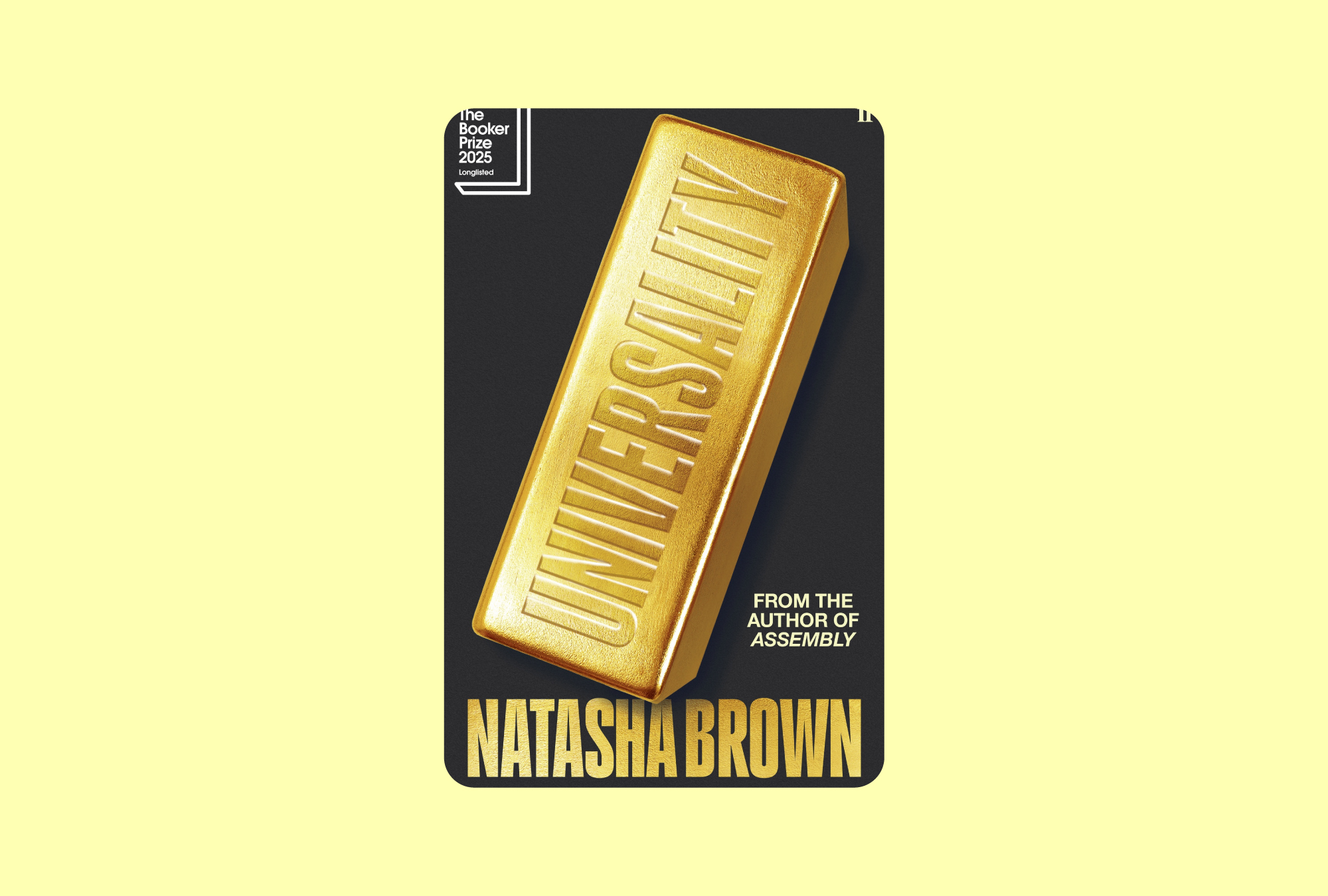
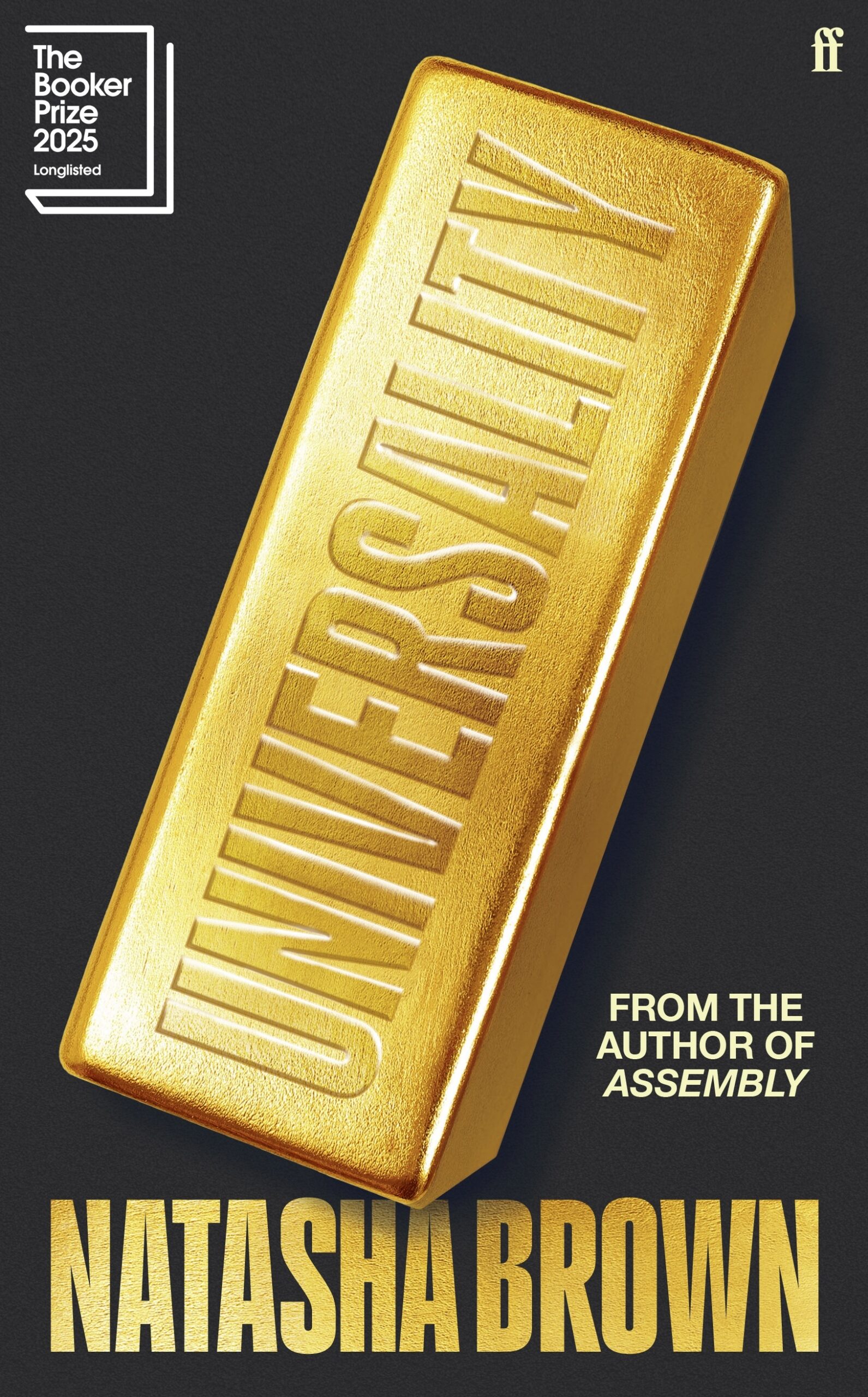
I love, love, loved this book. It’s clever, satirical, darkly funny, and offers razor-sharp commentary on society, class, media, and politics. It asks big questions about who gets to tell stories, which narratives are amplified, and how privilege, diversity, and late-stage capitalism intersect. At its heart, it’s also about the power of words themselves.
The novel opens with the mystery of a missing gold bar and an activist group called the Universalists, who occupy an empty country house during a Covid lockdown. The first essay, A Fool’s Gold, is presented as a viral article in which a journalist reports on a rave at the house that escalates into a police raid, a violent attack with the gold bar, and its subsequent disappearance.
A year later, the story shifts: we hear from multiple perspectives connected to that incident, each offering their own version of events. It’s up to us as readers to decide what really happened and what was shaped by media spin. This layered storytelling becomes a brilliant exploration of truth, bias, and perception, all delivered with biting humour and nuance. The characterisation is fantastic, spanning class divides and conflicting ideologies.
I love a short novel that still manages to pack a punch, and Universality certainly does. It’s pacy, immensely readable, and layered with ideas that invite a second read. I rarely revisit novels, but this is one I’ll gladly return to. As an examination of the British media, it feels not only spot-on but also uncomfortably relevant to the wider mediascape.
A brilliant follow-up to Assembly, showing once again Natasha Brown’s sharpness and originality. I can’t wait to see what she writes next.











Leave a Reply
You must be logged in to post a comment.