

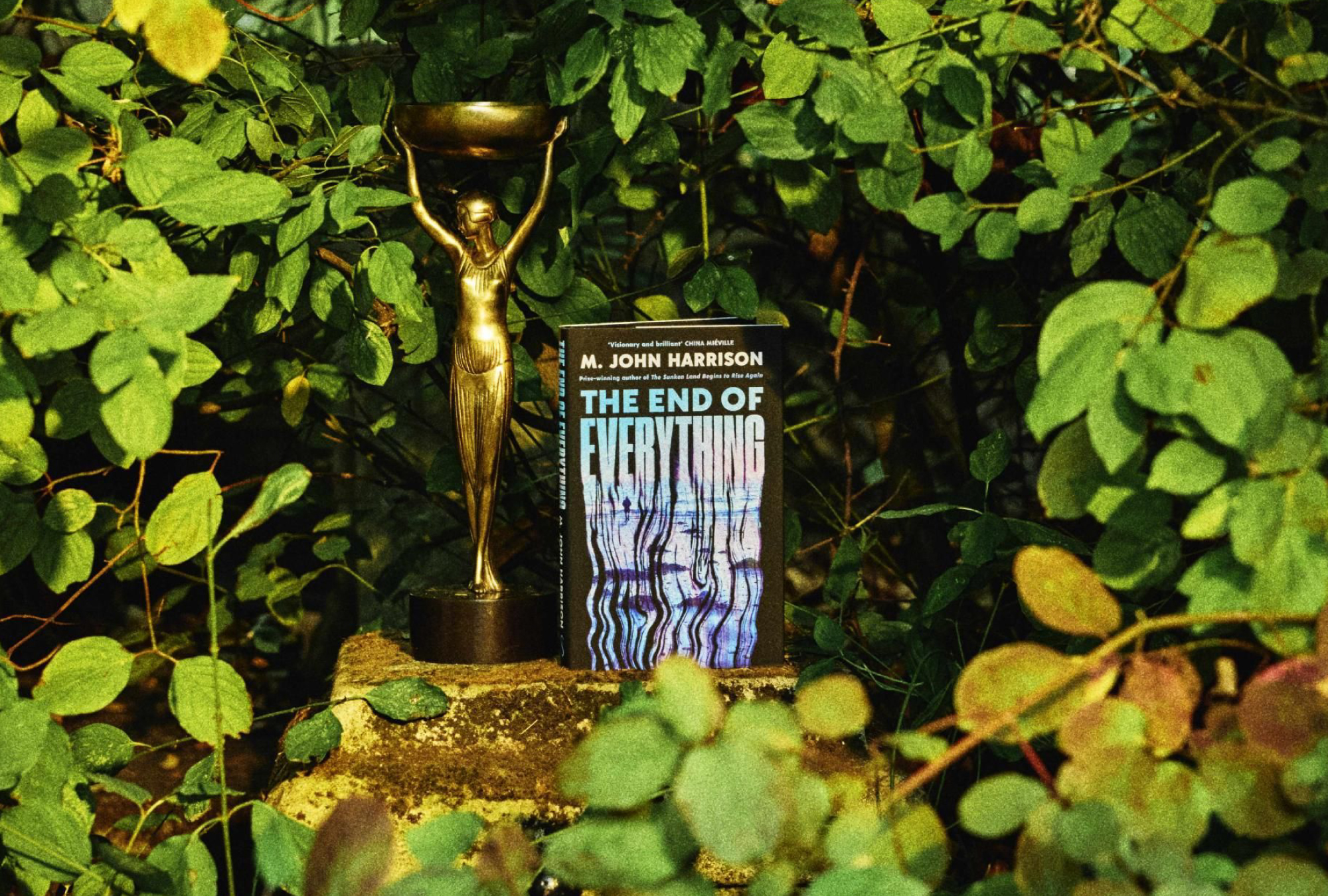
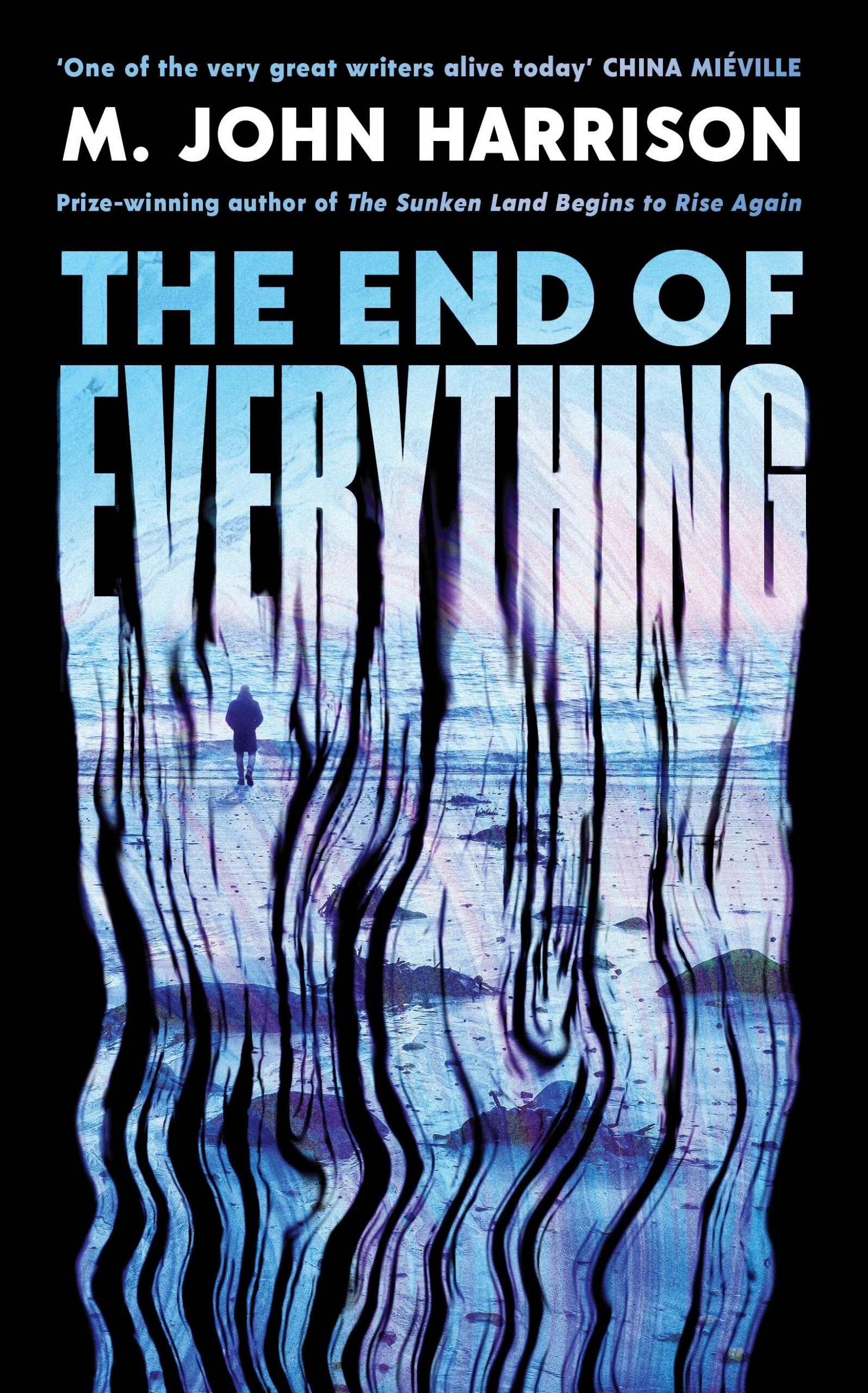
British author M. John Harrison has won the 2026 Booker Prize for his novel The End of Everything, announced at a ceremony at Old Billingsgate in London on Monday evening (Tuesday morning in New Zealand).
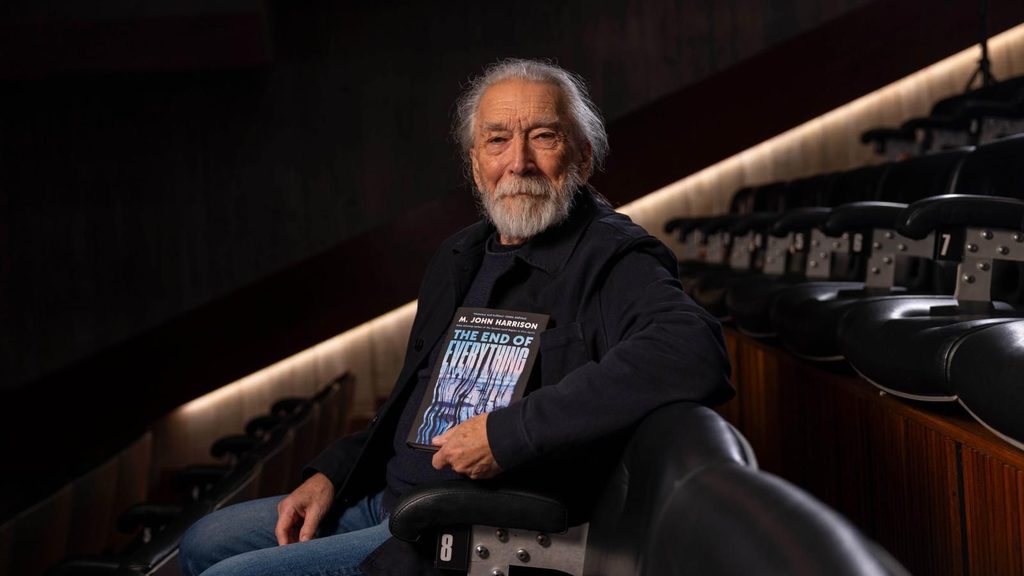
The 81-year-old author, celebrated for his genre-defying science fiction and fantasy, becomes the oldest winner in the prize’s history, taking home £50,000 and one of the literary world’s most prestigious accolades.
Published by independent publisher Serpent’s Tail, The End of Everything is a darkly satirical, post-apocalyptic novel set on the Kent coast, where society has collapsed following a mysterious catastrophe. Its protagonist, Phillip Tennent, survives by scavenging objects washed up from the English Channel, until he discovers a strange, constantly changing creature that threatens to upend everything he understands about the world.
Harrison, who previously served as a Booker Prize judge in 2022, is the author of 13 novels, five short-story collections and an unconventional memoir. His work has long resisted easy categorisation, moving between science fiction, fantasy and literary fiction.
This year’s prize was judged by a panel chaired by classicist, author and broadcaster Mary Beard, alongside poet Raymond Antrobus, musician Jarvis Cocker, journalist Rebecca Liu and novelist Patricia Lockwood. Together, they considered 163 submissions before narrowing the field to a shortlist of six.
Speaking at the ceremony, Beard thanked her fellow judges and the wider reading and writing community for giving the submitted books a life, remarking that there is little point to books without readers.
“Thank you to the whole reading and writing community who gave all the submitted books a life, there is not much point to books if they don’t have readers.”
She also addressed the suggestion that this year’s shortlist was overwhelmingly concerned with a crisis of masculinity. While acknowledging, with some humour, that masculinity has a habit of finding itself in crisis, Beard argued that the six novels offered considerably more, including reflections on the past and future capable of stopping readers in their tracks, and writing that could make them laugh, scream and reconsider the world around them.
Harrison appeared genuinely shocked when his name was announced, admitting that he hadn’t expected to win. In a wonderfully self-deprecating acceptance speech, he joked that the award made him feel like “a proper writer at last”, before thanking his fellow shortlisted authors and expressing his gratitude to the judging panel.
“No one writes a novel without help. I’ve had so much support over the last 40 or 50 years, and at this point my input seems to be the least of it,” he told the audience, acknowledging the many people who have supported his writing career.
When asked what message he hoped readers would take from his novel, Harrison offered a characteristically bleak but ultimately hopeful reflection on the world.
“It’s a grim world, and it will keep on being grim, and it’s weird, and there is something distinctly weird about it. But at the end of things there might be some kind of hope or closure, there might be some kind of relief.”
The win marks a significant moment for Serpent’s Tail, the independent publishing imprint behind Harrison’s novel, and a remarkable late-career recognition for a writer who has spent decades challenging the conventions of literary fiction.
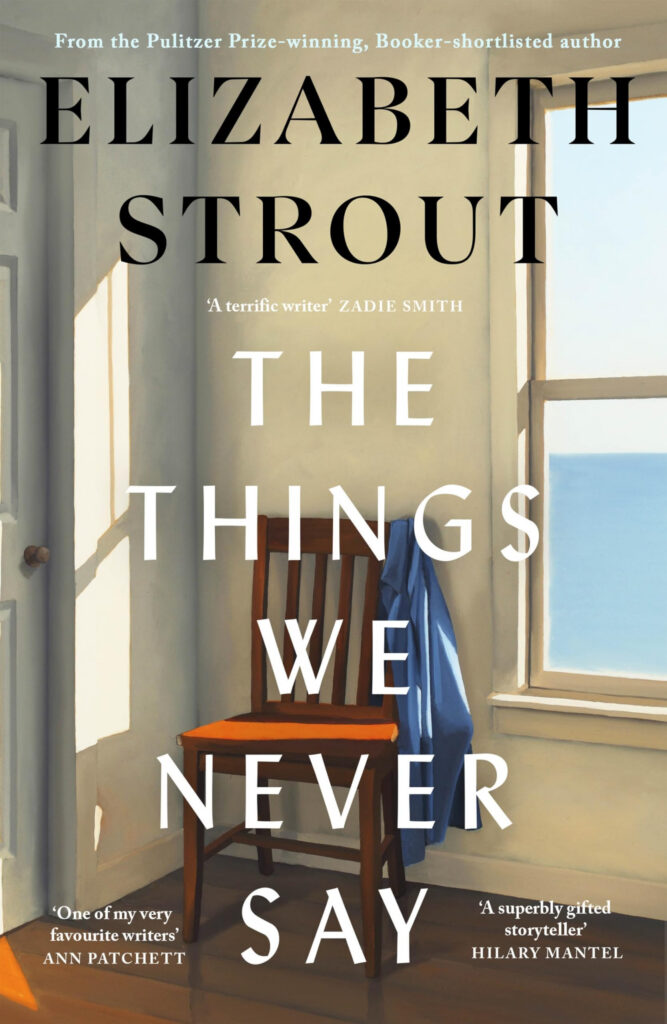
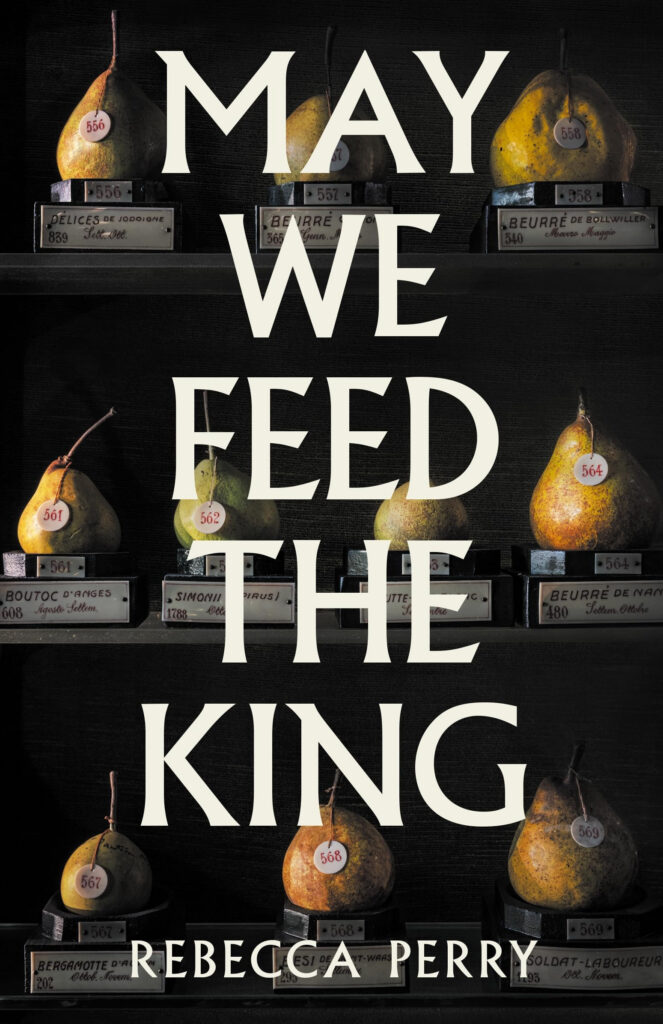
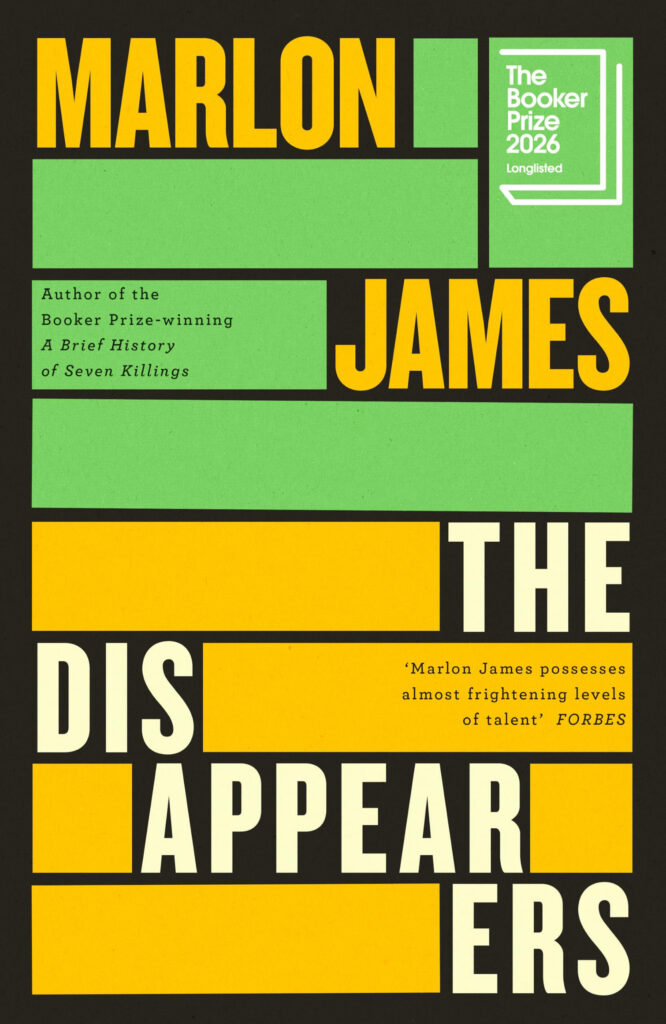
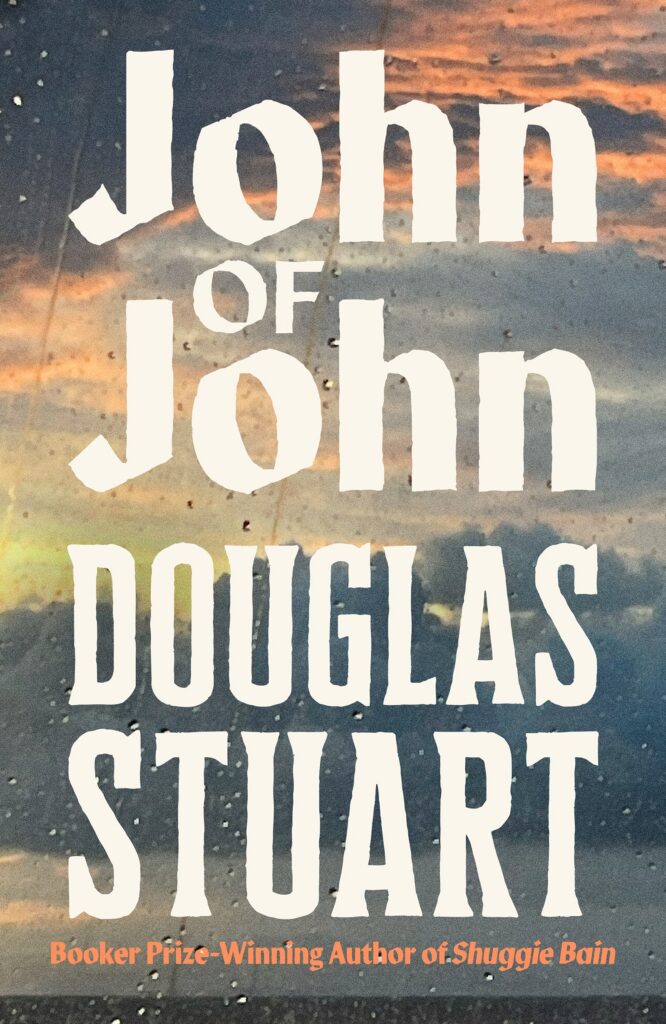
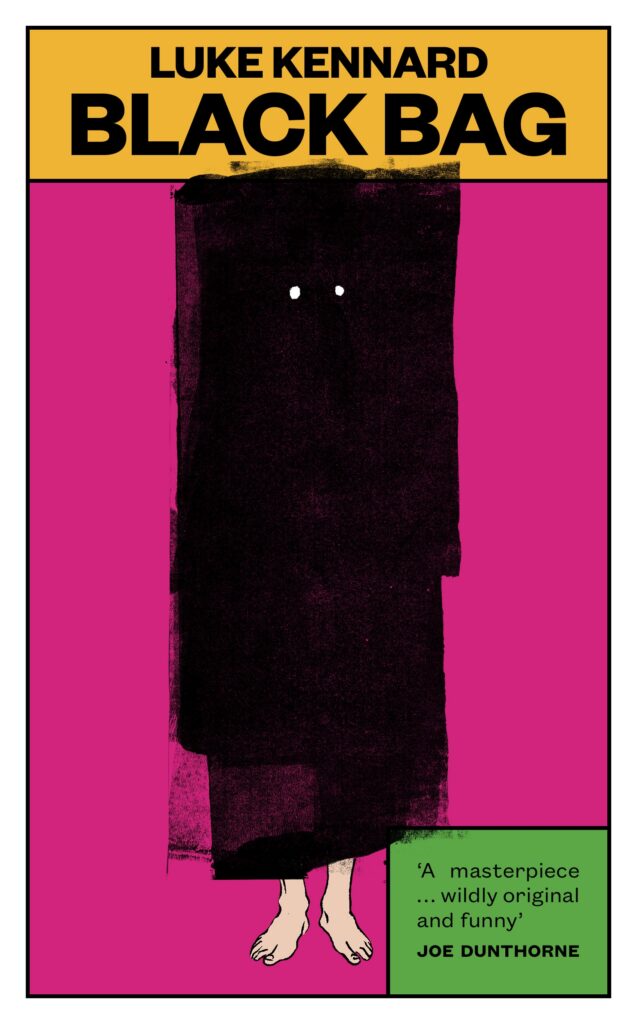
Harrison was selected from a shortlist that included previous Booker winners Marlon James, nominated for The Disappearers, and Douglas Stuart, nominated for John of John. They were joined by Elizabeth Strout’s The Things We Never Say, Luke Kennard’s Black Bag and Rebecca Perry’s May We Feed the King.

















Leave a Reply
You must be logged in to post a comment.