Recently, a number of doorstoppers have arrived, well, at my door. Doorstoppers being a term for big, meaty books that clock in at 500 pages plus. Many of them have immediately piqued my interest, but every time I pick one up, I find myself having that familiar internal conversation about the time commitment, how many other books are already sitting in my ever-growing pile, and whether I can justify spending the time it would take to read two books on just one. So little time, so much to read, and all that jazz.
So I’ve decided that the big book needs a bit of campaigning for, clearly for myself, but also for everyone who responds to a 500-page recommendation with some variation of “I just don’t read fast enough” or “I won’t read anything over 300 pages.” Because discriminating against a book based purely on its size is, quite frankly, sizeist, and we should aim to be inclusive, welcoming these larger tomes into our lives and onto our bookshelves with open arms, like the open-minded reading community that we are. But mostly, we need to move past the idea that how many books we get through is the main goal of reading, once and for all.
And obviously, if someone hasn’t finished a novel in five years, putting 700 pages in front of them may not be the most inviting re-entry point. But I’m mostly curious about those of us who already read regularly, love books, and still find ourselves looking at a 700-page novel and wondering whether we can justify the time, and why. You might even be reading this thinking the whole conversation is redundant, as someone who just gets on with it and reads whatever they want, which, we love to hear. But I wouldn’t be writing this if it wasn’t a conversation I have regularly with fellow book clubbers, readers and friends in the industry. The hesitation around big books is real, even among people who read all the time.
So let’s start here. I’ve particularly noticed a trend on social media where recommendations are prefaced, first and foremost, with the number of books someone has read: “I’ve read 214 books this year and these are my favourites.” There’s nothing wrong with reading 214 books, obviously, and if anything, I’m impressed. Reading widely gives you an enormous amount to draw from, and there’s certainly value in that experience. But I do wonder whether our growing habit of counting, tracking and sharing everything we read has made us a little too conscious of how many books we’re getting through, and whether that number is starting to carry too much weight in how we measure what makes someone a “good” reader.
Which raises the question of why we’ve come to think of reading as something we need to be good at in the first place. Of course, there are skills required to read, and skills that continue to develop the more we do it. Reading widely can make us more informed, thoughtful and critical readers. But these are things that are difficult to quantify, whereas the number of books we finish is easy to count.
By the nature of this job, I also spend far too much time on social media, and I think this is particularly prevalent in online reading culture, where so much of what we read is being measured and turned into content (yes, I’m aware of the irony here). In many ways, that’s a great thing for the visibility and prominence of reading, and it has made reading more social and interactive, particularly for those who might not have access to these spaces in their own communities. But I also think there’s a growing pressure to “keep up”, not just to read the books everyone is talking about, finish them quickly enough to join the conversation and move on to the next one, but also to create content consistently enough to satisfy the demands of the algorithms. And when reading becomes as much about keeping up with the conversation and producing content as it is about the books themselves, we’re clearly losing sight of why we read in the first place.
You see it particularly towards the end of every year, when the conversation turns to short books people can squeeze in to hit their annual reading goal, as though reaching 50 books matters more than what that fiftieth book actually is. When every book counts as one, investing time into an enormous novel can seem less productive than tearing through several smaller ones, even if that enormous novel ends up being the best thing you read all year. We continually say “reading is not a sport”, so perhaps we also need to stop keeping score quite so closely.
Reading tracker apps have also made all this counting considerably louder, with platforms like The StoryGraph generating detailed, shareable monthly statistics that regularly appear across social media. And to be clear, we’re big advocates for The StoryGraph, particularly for readers looking for an alternative to Amazon-owned Goodreads. It’s a fantastic app, and there’s plenty to enjoy about keeping track of your reading. But are all these statistics at our fingertips making reading more pleasurable, or are they inadvertently feeding our tendency to turn something we love into another exercise in productivity?
There is also plenty of evidence that many readers will show up for a big book when they want to. Rebecca Yarros’s Fourth Wing comes in at well over 500 pages and found an enormous readership among both established readers and people newly drawn into reading. Hanya Yanagihara’s A Little Life, at more than 700 pages, is still continually discussed a decade after publication, dividing readers between those who dismiss it as “trauma porn” and those who call it one of the best books they’ve ever read. Sarah J. Maas has built one of the biggest readerships in commercial fiction around a catalogue containing multiple novels well beyond the 500-page mark, while literary fiction has given us plenty of enormously popular books including Paul Murray’s The Bee Sting, Donna Tartt’s The Goldfinch, Barbara Kingsolver’s Demon Copperhead and Abraham Verghese’s The Covenant of Water. The list could go on and on. Length is obviously no barrier to a book becoming a bestseller or a cultural phenomenon once it gains traction with readers and builds a trusted reputation.
There’s also a practical argument in favour of big books. Despite the additional cost to publishers of producing them, what we pay for the finished book rarely reflects this. Anyone who buys books regularly will know that you can quite easily pay close to $40 for a beautiful 150 or 200-page hardback and a similar amount for a paperback several times its size. I’m not suggesting we start assessing literature on a cents-per-page basis, but there is something to be said for the value of a big book. As a consumer, you’re getting an awful lot of hours of entertainment for your money.
And if your hesitation is simply about time, perhaps a big book is the very thing that encourages you to prioritise reading. Turn the television off in the evenings, or when you catch yourself mindlessly doomscrolling, remind yourself that there’s a book waiting to be picked up. And if finding more time simply isn’t an option, remember that a big book doesn’t necessarily require you to read more daily. It might just mean spending a little longer with the same story, and there’s nothing wrong with that.
Big books are worth celebrating, and in writing this, I’ve reminded myself of exactly why. A big book that really hooks you doesn’t always feel like such an enormous time commitment when you can’t wait to get back to it. And much like the difference between a television series and a film, there’s something to be said for having more room for detail, more time for a story to unfold and more opportunities to get to know its characters. Allowing yourself to call one book home for a while, to really, really spend time with a story, is an utter pleasure. And therein lies the whole point of reading in the first place.
And just in case you needed any more encouragement, particularly if you fancy yourself a bit of a rule-breaker, reading has long been considered an act of rebellion. And in an increasingly polarised world, where AI is reshaping how we consume information and social media algorithms are designed to keep us scrolling, choosing to slow down, think critically and give our undivided attention to a really big book might just be the ultimate act of rebellion.
So, in defence of the doorstopper, perhaps it’s time we embraced a little more literary commitment. Here are eight big books worth sinking your teeth into this summer.
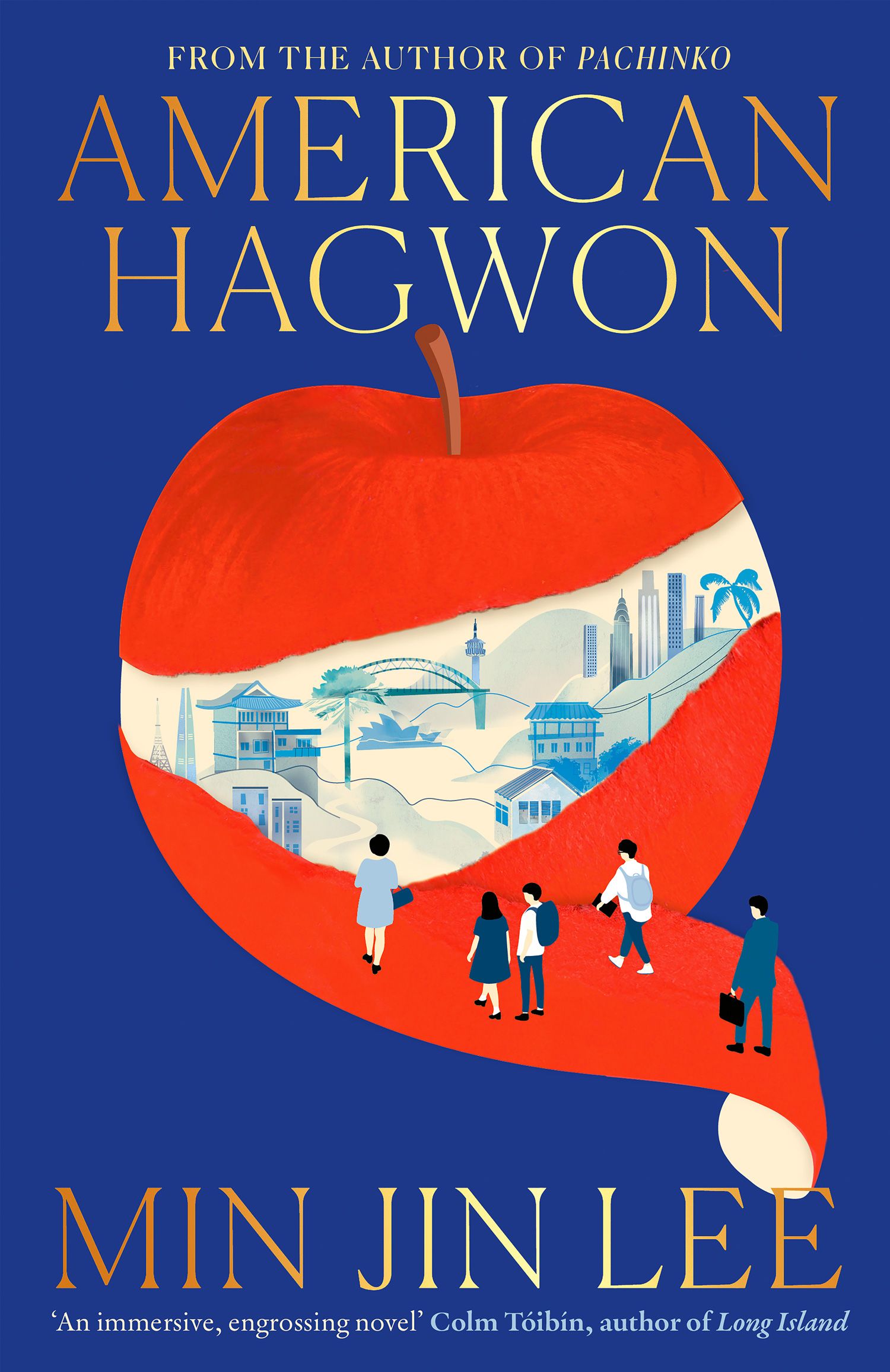
American Hagwon
By
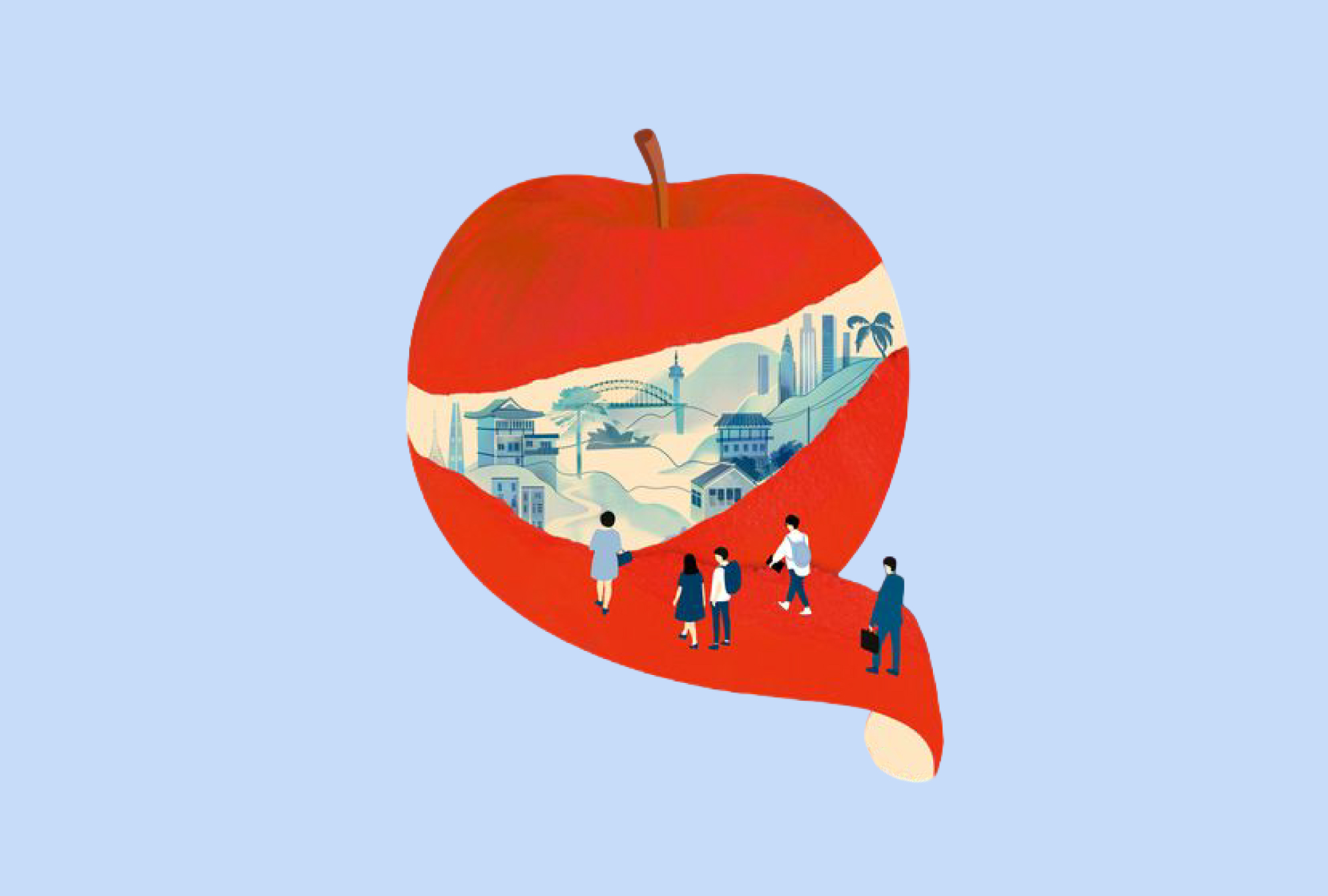
Following the Koh family across South Korea, Australia and the United States, American Hagwon explores the lengths families will go to in pursuit of education and a better future. Beginning around the 1997 Asian financial crisis, Min Jin Lee’s novel examines migration, ambition, class and the enormous expectations placed on children to succeed.
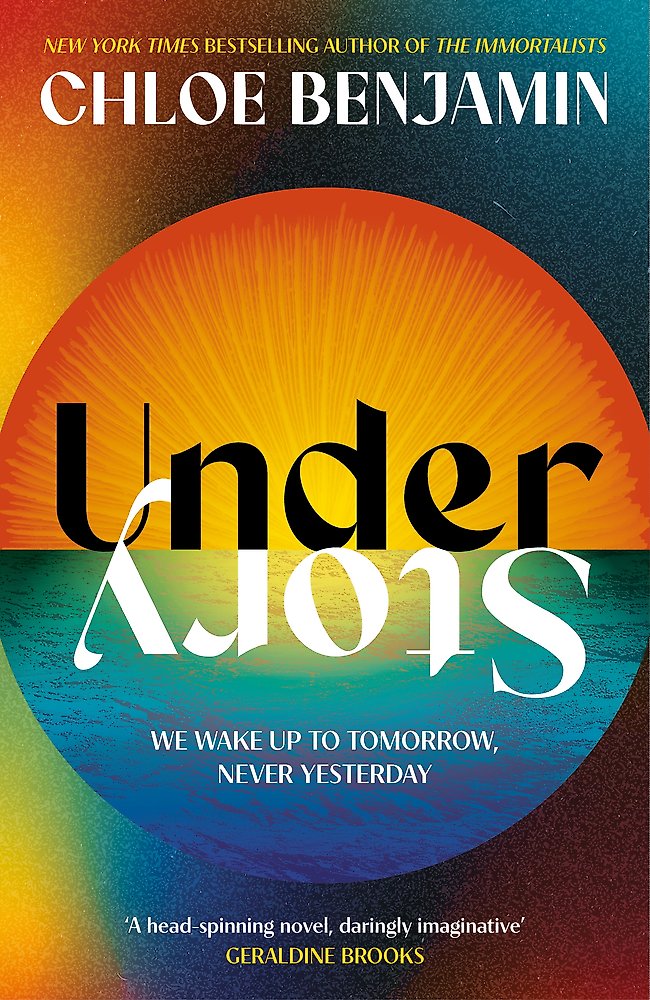
Under Story
Biologist Laurel Salter has fled her old life for an isolated research station in Antarctica. When a mysterious light known as the Arc appears across the ice, it draws a team of physicists, including Laurel’s former husband, Eli. Convinced the Arc could offer them a way to revisit the past, Laurel sees a chance to change the tragedy that tore their lives apart.
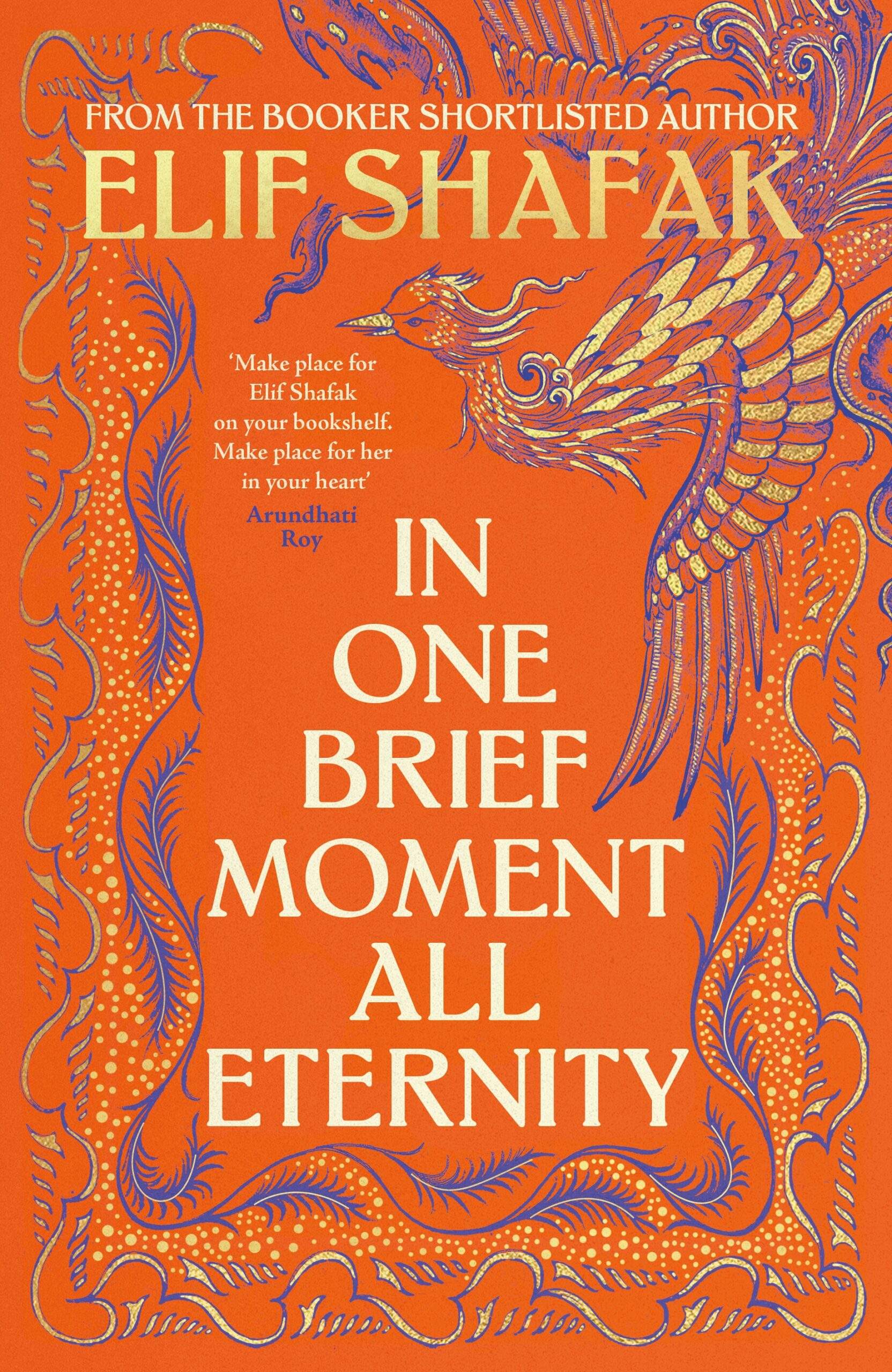
In One Brief Moment All Eternity
By
Elif Shafak reimagines the life and work of Gustave Flaubert through the women, real and fictional, who shaped him, from his nursemaid and lovers to Madame Bovary herself. Moving through nineteenth-century France, Istanbul, Cairo, Palestine and Beirut, the novel explores who gets to tell stories, who history erases and what the silenced might have said for themselves.
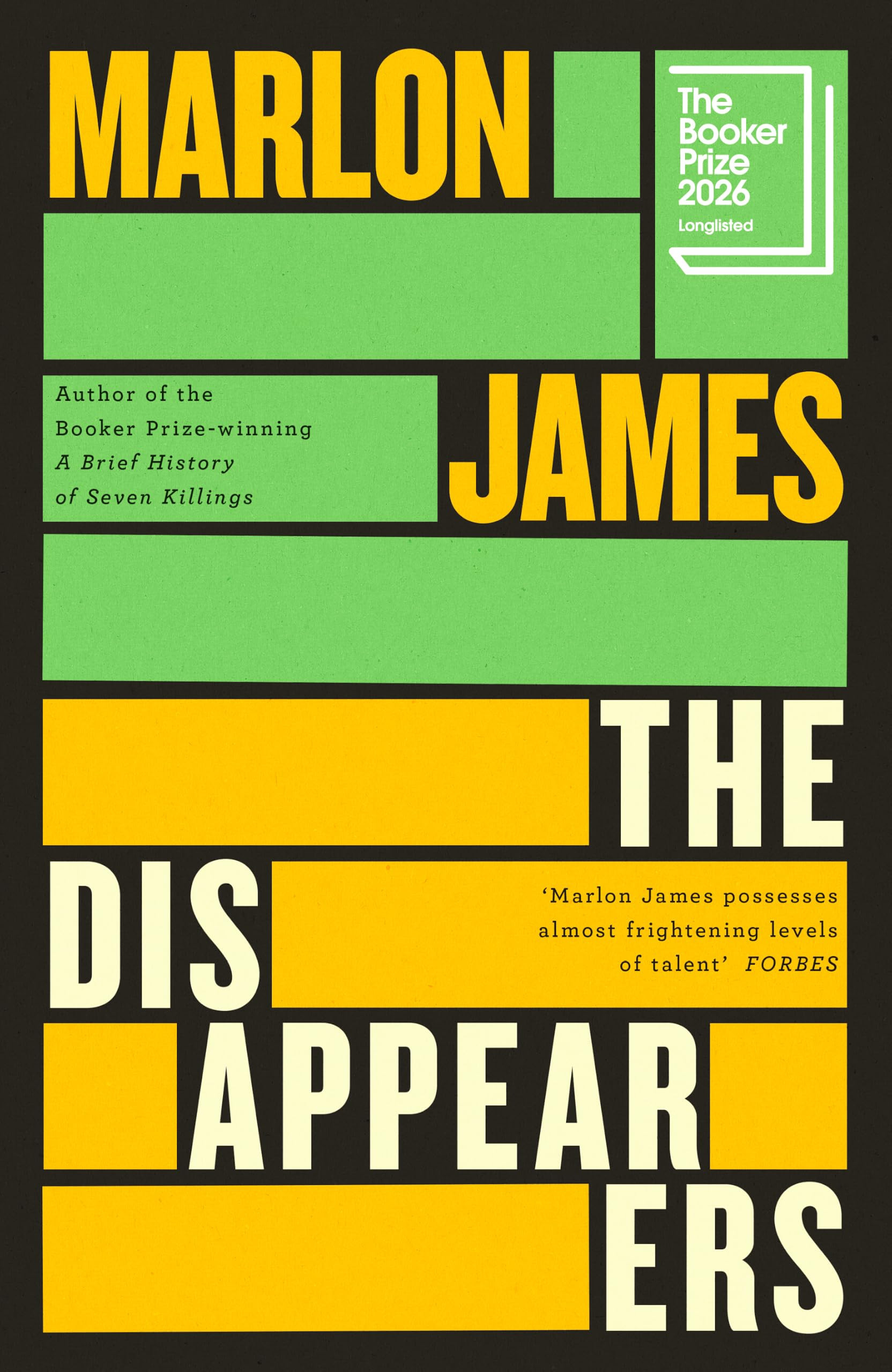
The Disappearers
Kingston, 1988. Eight gay men answer a casting call for an openly queer play, taking an enormous risk simply by gathering together. When a mob attacks their rehearsal, one man is killed and two later disappear. As the survivors recover, they confront the violence and homophobia exposed that night while searching for the missing men and those responsible.
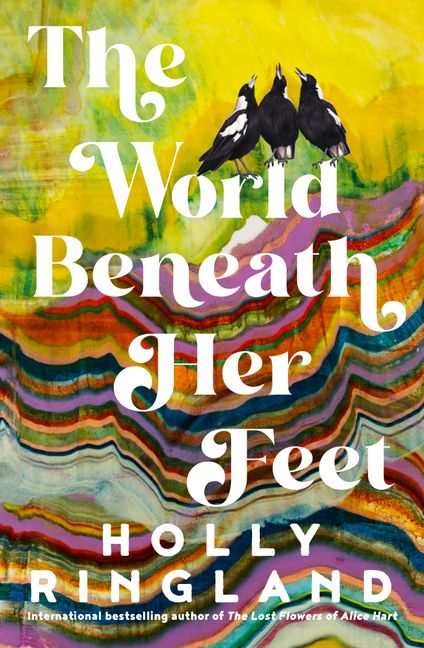
The World Beneath Her Feet
Maggie Byrd has built a life in London, far from the Australia she left behind in her early twenties. When she inherits her uncle’s rewilded land in southeast Queensland, she is drawn back to the place that shaped her adolescence and the past she tried to bury. Returning means confronting old betrayals, first love, grief and everything she left unresolved.
The Song of Stork and Dromedary
By
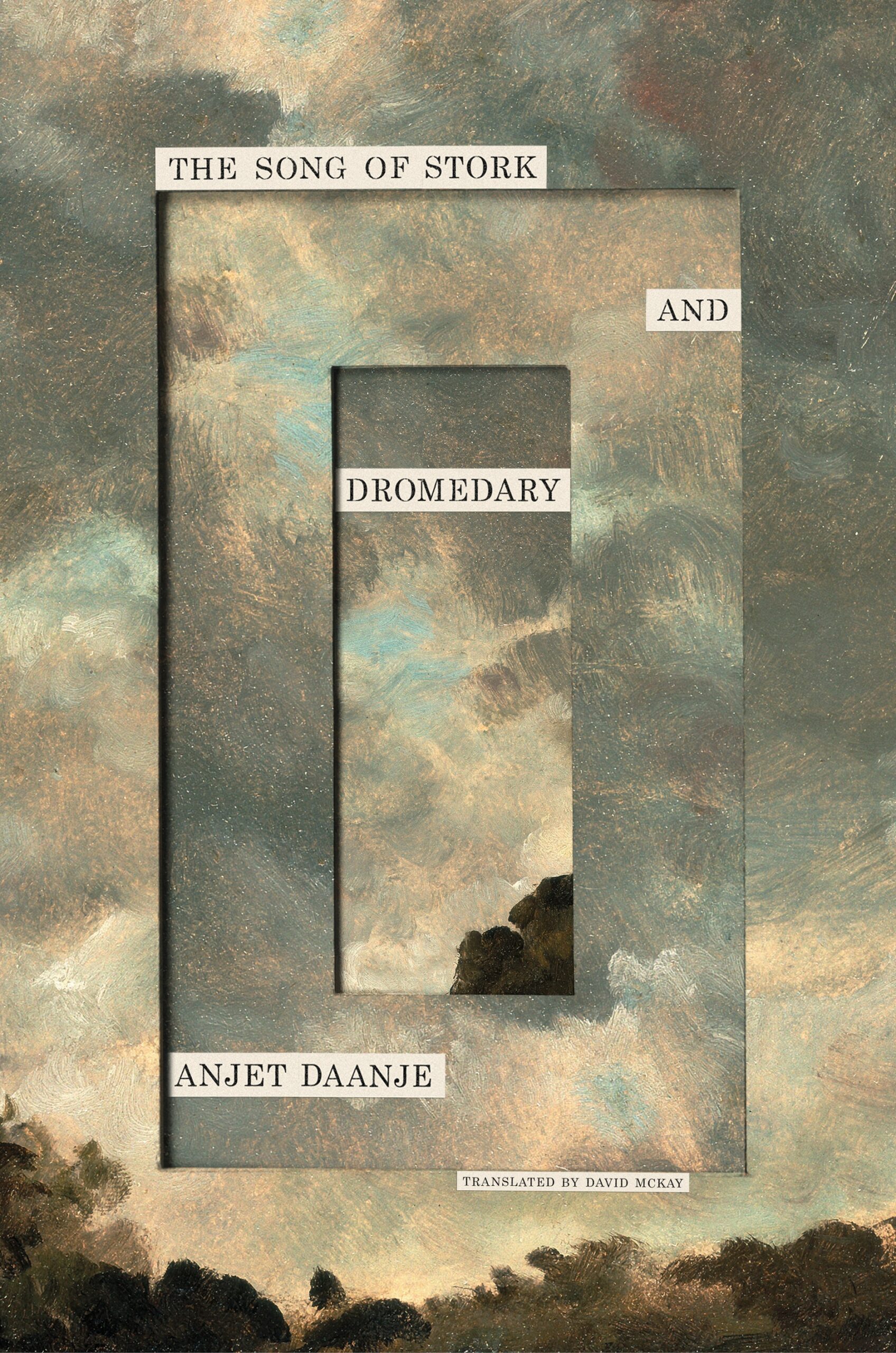
Inspired by Emily Brontë, this sweeping literary mystery follows a reclusive Yorkshire writer whose only novel is condemned before becoming a masterpiece. Told through letters, biographies, notebooks and interconnected lives spanning centuries, it explores the enduring influence of art, the mysteries of time and the power of storytelling to transcend death.
The Calamity Club
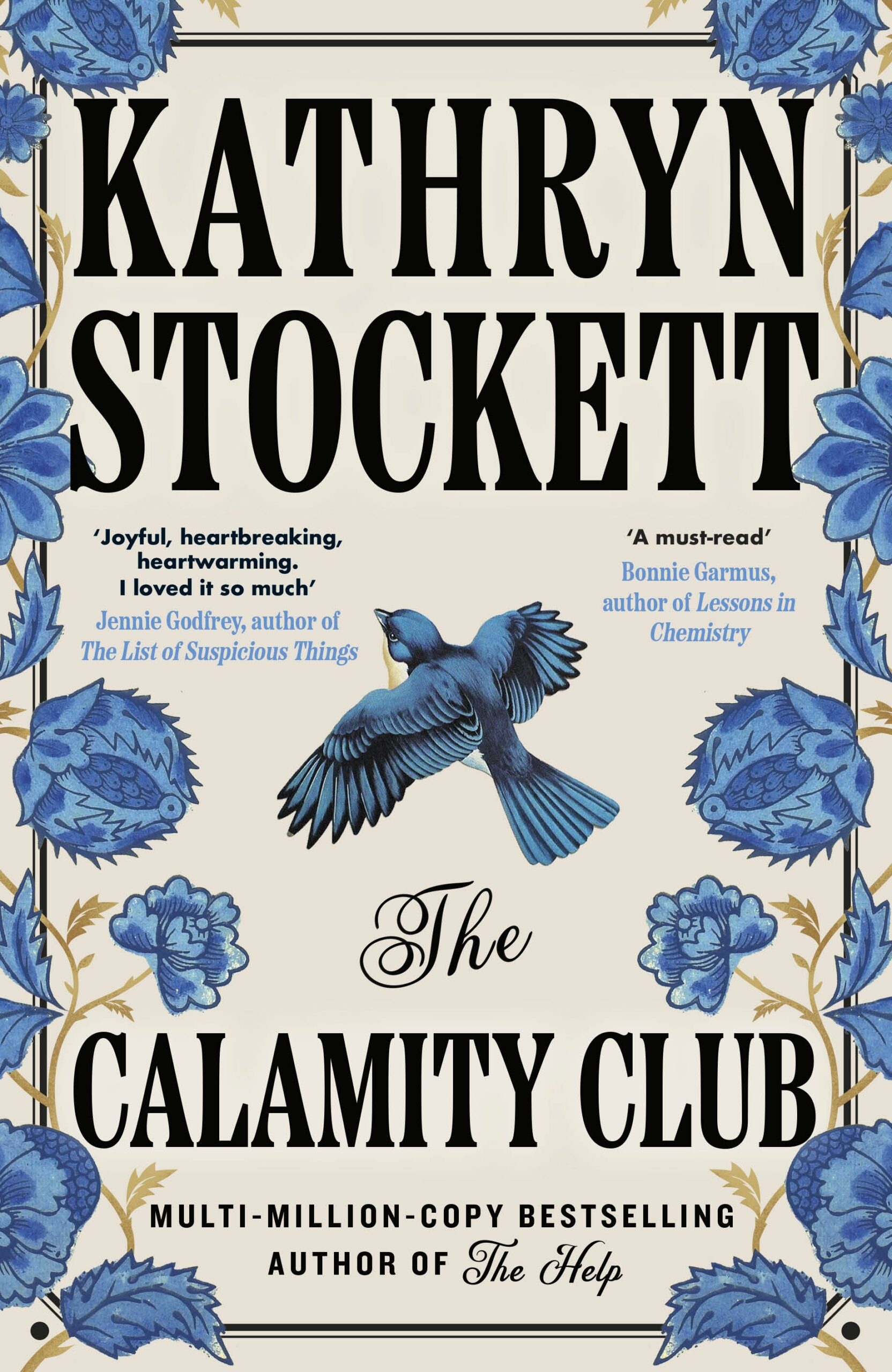
Mississippi, 1933. Eleven-year-old orphan Meg has learned to trust no one until she meets Birdie, a young woman uncovering her sister’s secrets. As the Great Depression deepens, their lives become entwined with a group of underestimated women whose unlikely friendships and acts of defiance challenge a town steeped in hypocrisy.
Tata
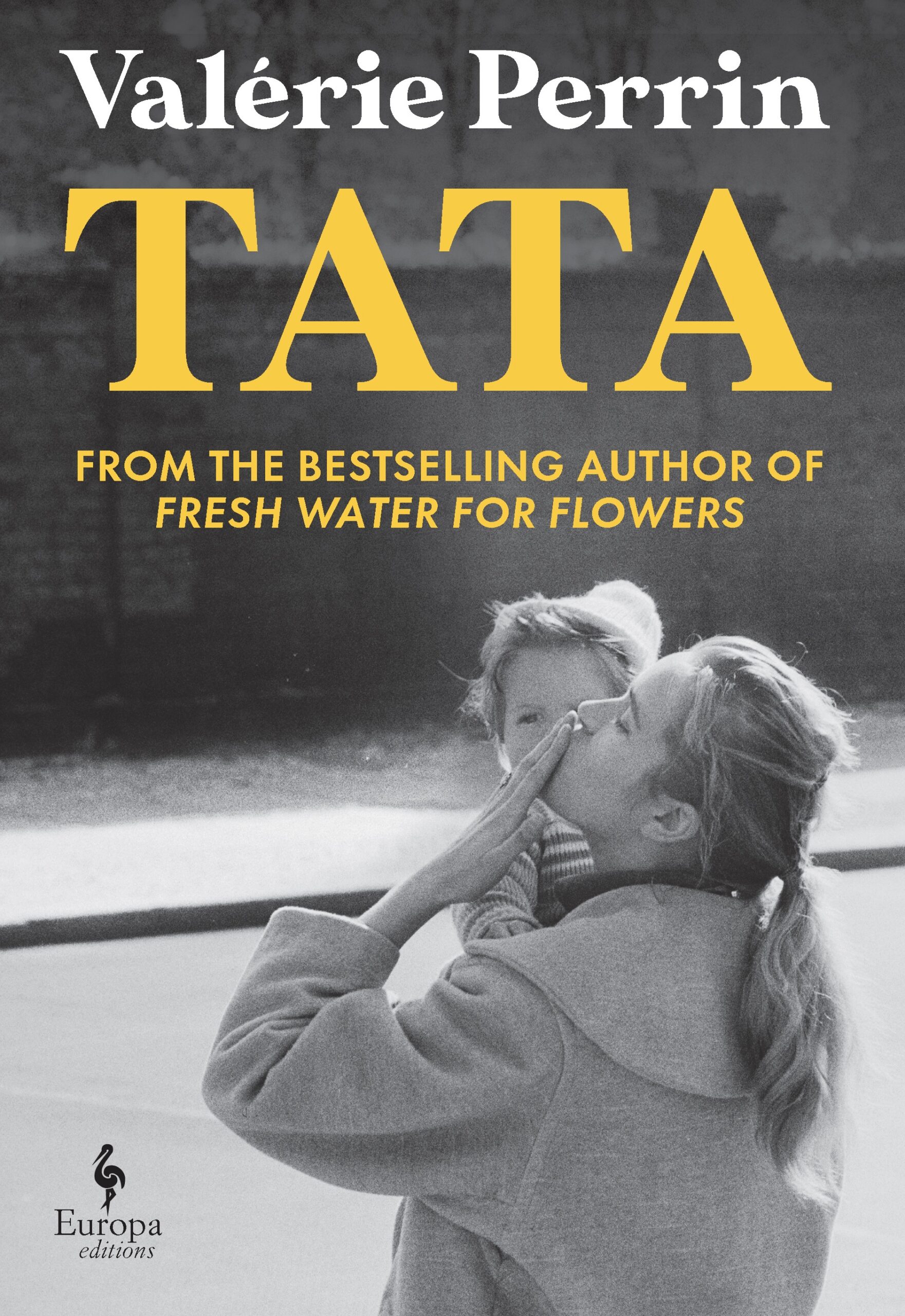
When Agnes learns that her beloved Aunt Colette has died, she is stunned. Colette was buried three years earlier. Called to identify the body, Agnes is left questioning who lies in her aunt’s grave and why she faked her death. Her search for answers uncovers a tangled web of family secrets.




Leave a Reply
You must be logged in to post a comment.