
Who were the Brontës?
Wuthering Heights was written by Emily Brontë, one of the sharp-minded and radical Brontë sisters from West Yorkshire. Alongside Charlotte and Anne Brontë, she was educated, politically aware, and unafraid to question Victorian morality. Much of that thinking found its way into their writing.
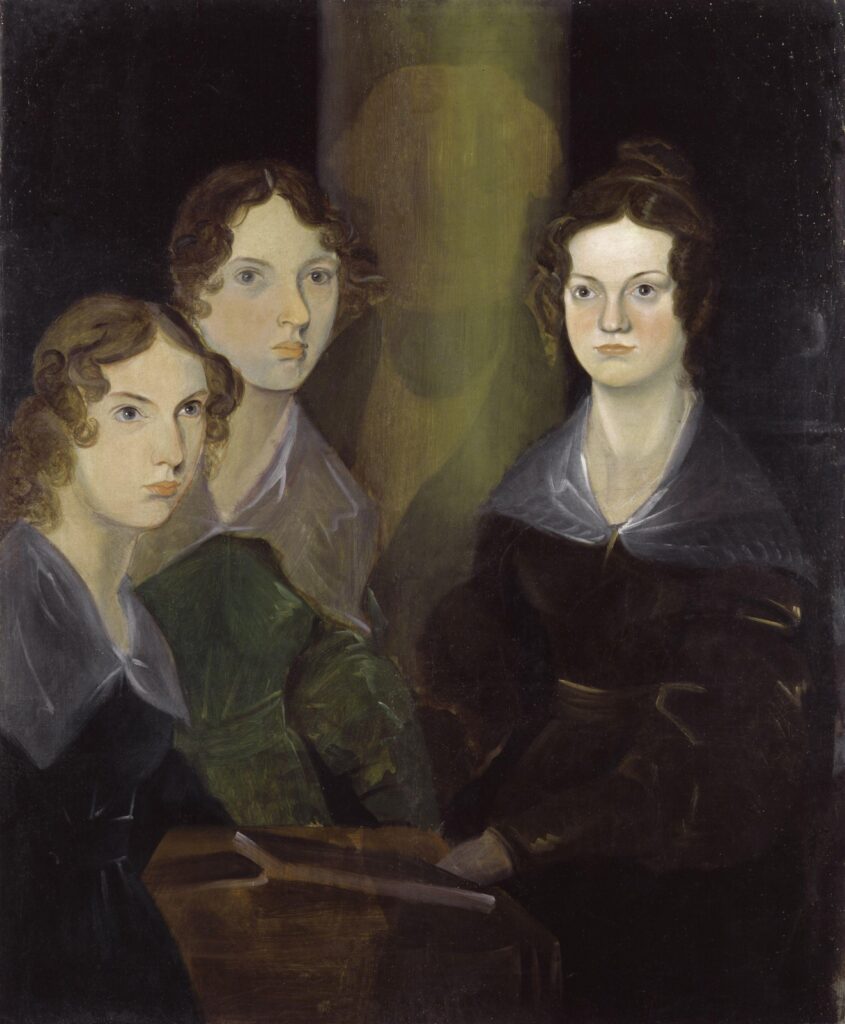
This is the only known portrait of Charlotte, Emily, and Anne Brontë. It was painted by their brother Branwell, himself a published writer and artist. It is widely believed that the faint figure in the centre was originally Branwell, who later painted himself out of the portrait.
All three sisters published novels in the 1840s, during the height of British imperial expansion, and their work challenged ideas about gender, power, marriage, and class.
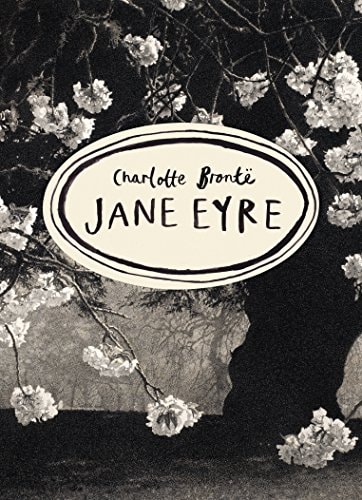
Jane Eyre
Charlotte Brontë
Jane Eyre – 1847
Shirley – 1849
Villette – 1853
The Professor – 1857 (published posthumously)
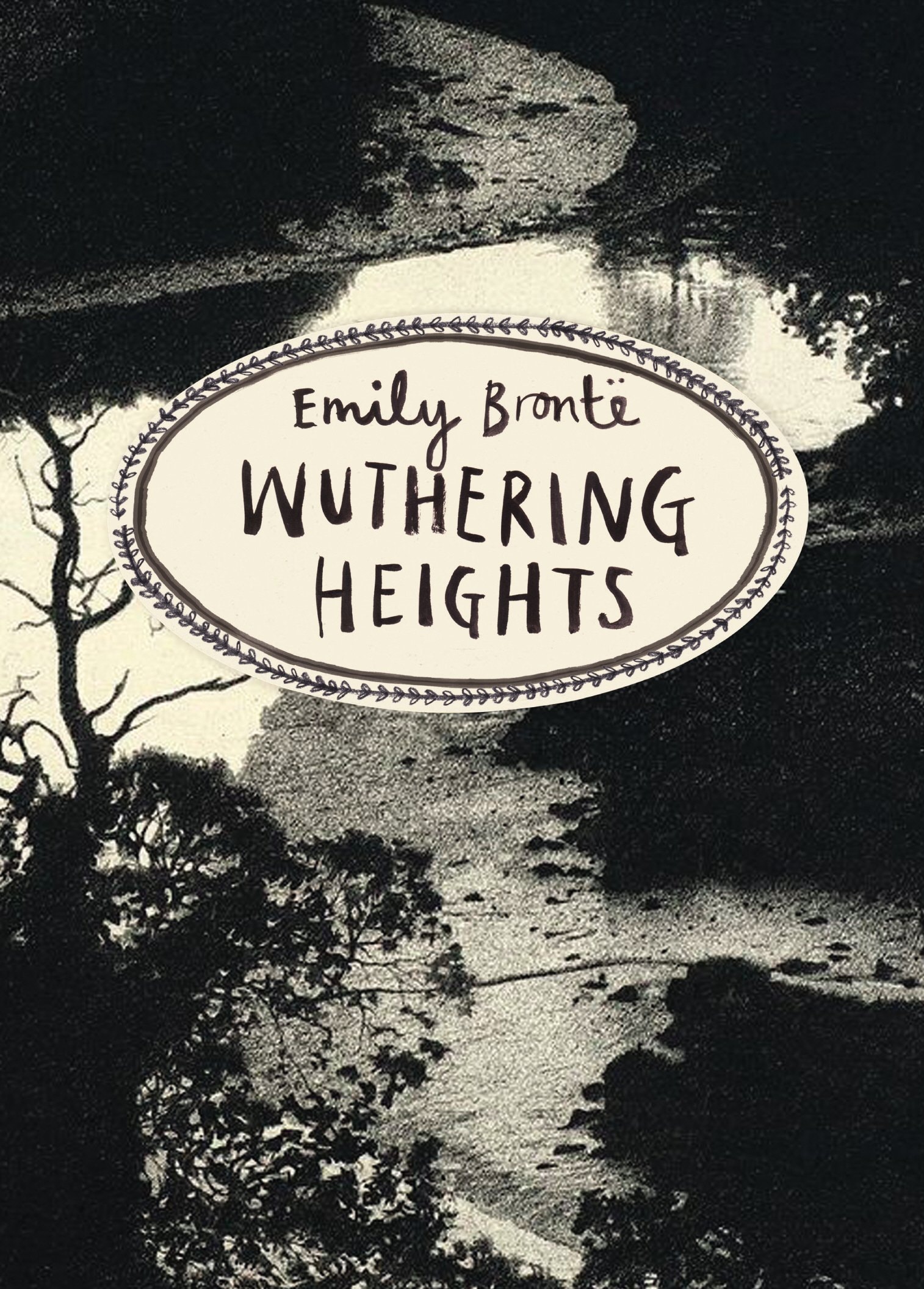
Wuthering Heights
By
Emily Brontë
Wuthering Heights – 1847
Emily Brontë died just one year after Wuthering Heights was published, at the age of thirty.
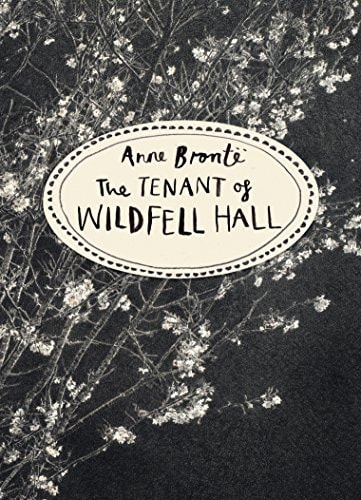
The sisters first published poetry together in 1846 under male pseudonyms, because women writers were not taken seriously at the time. Their true identities were only revealed in 1848, after the success of Jane Eyre. It is fair to say the Brontës were radical for their time and, in many respects, well ahead of it.
The Book
Wuthering Heights is set in 1801 and is far from a gentle romance. It is a toxic love story, a gothic horror, a tale of revenge, generational trauma, and destructive obsession. It explores what happens when cruelty breeds cruelty, when class and power collide, and when an outsider is both shaped by and turns against the society that rejects him.
The Movie
Fast forward to 2026 and you have likely heard about the controversy surrounding Emerald Fennell’s adaptation. Much of it has been ongoing since casting was announced in 2024.
The loudest conversation has centred around Heathcliff. In this film, he is played by Jacob Elordi, a white Australian actor. In the novel, however, Heathcliff is repeatedly described as dark-skinned and is often referred to as a “gypsy”. Mr Earnshaw says he found him on the streets of Liverpool, a major imperial port at the time.
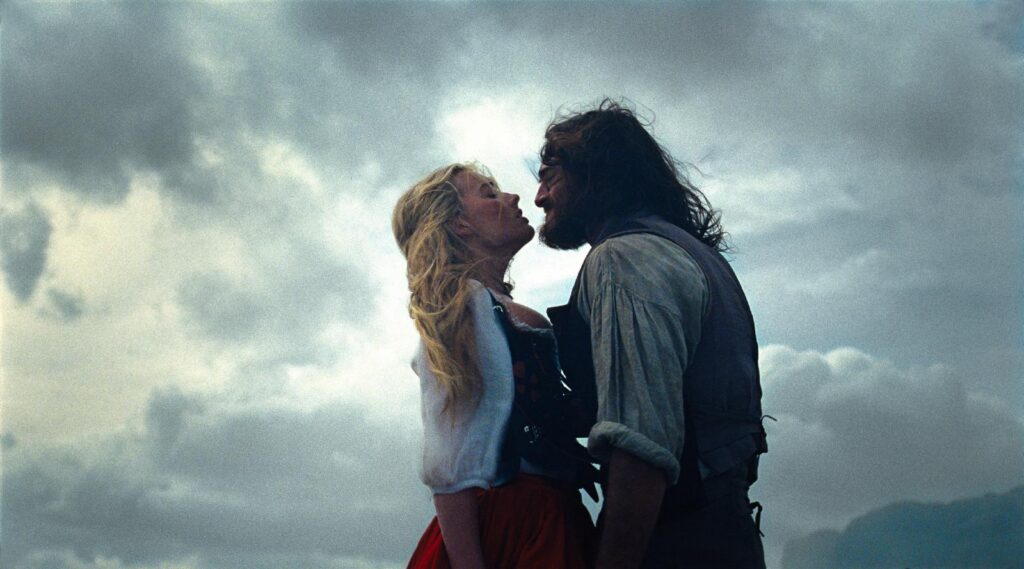
He is meant to be an outsider, and that racial and social ambiguity is a significant part of the novel’s tension. Heathcliff is seen as a reflection of Victorian anxieties about empire, race, and the fear of the “other”. His difference shapes how he is treated, and that treatment shapes who he becomes.
Wuthering Heights has been adapted for screen many times before, and Heathcliff has almost always been played by a white actor, with only one major adaptation casting a Black actor, James Howson, in 2011.
There are many theories about Heathcliff’s origins. Some readers interpret the repeated use of the word “gypsy” as suggesting Romani heritage. At one point in the novel, he is also referred to as a “little Lascar,” a term used at the time for South Asian sailors, which has led some to read him as possibly having South Asian origins. Others note that he is found in Liverpool, a major port deeply connected to the slave trade and Britain’s empire during the period in which the novel is set, and speculate that he may have had African or Caribbean roots. The novel never gives a definitive answer. His background is deliberately ambiguous.
Casting him as unequivocally white removes a layer of ambiguity that is central to the novel’s tensions around class, race, and belonging. Alongside other racial casting changes in the film, Emerald Fennell has reworked race and identity in a way that reshapes the novel’s original tensions.
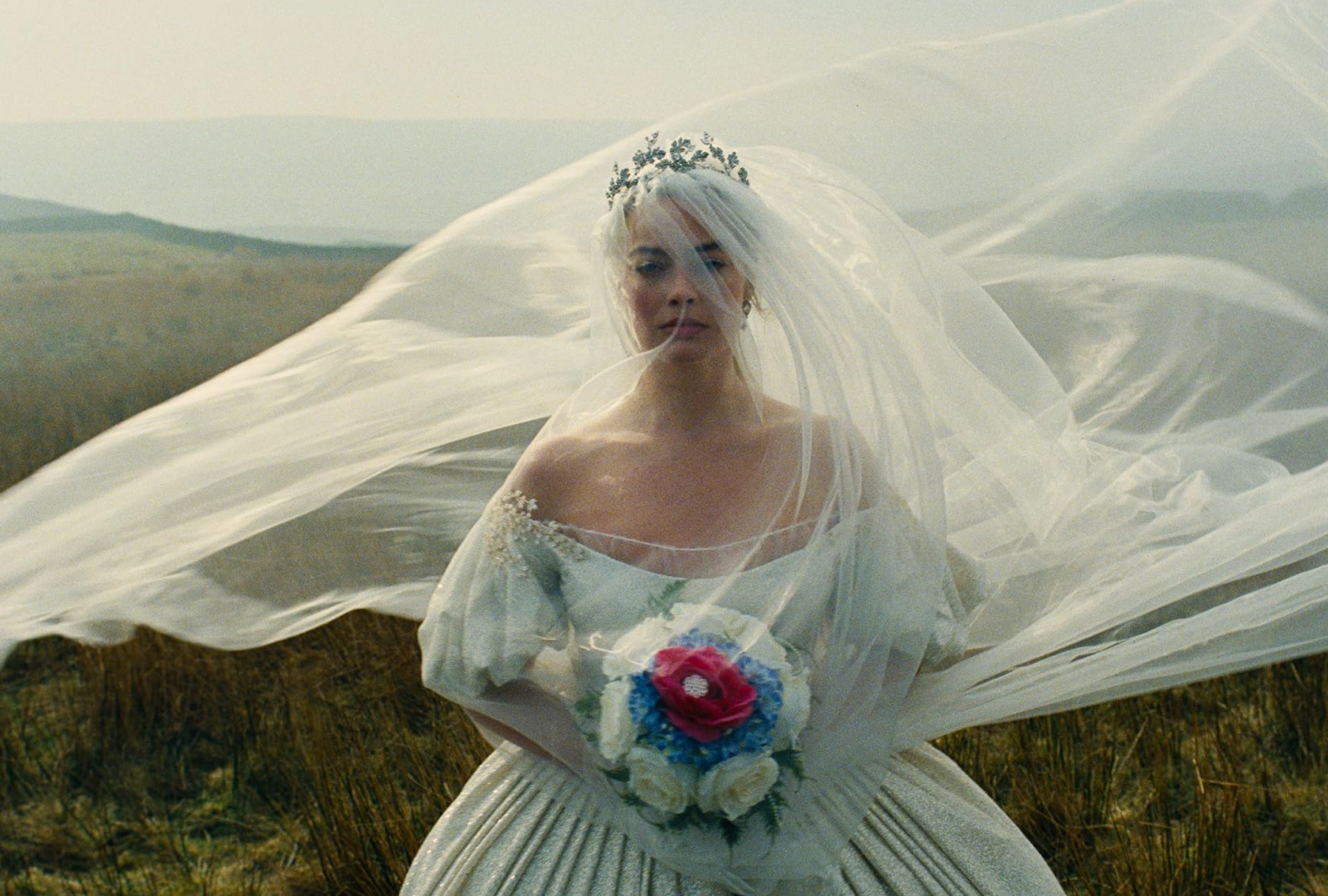
Then there is the casting of Catherine. In the novel, Cathy is seventeen. Here she is played by Margot Robbie, who is thirty-five in real life.
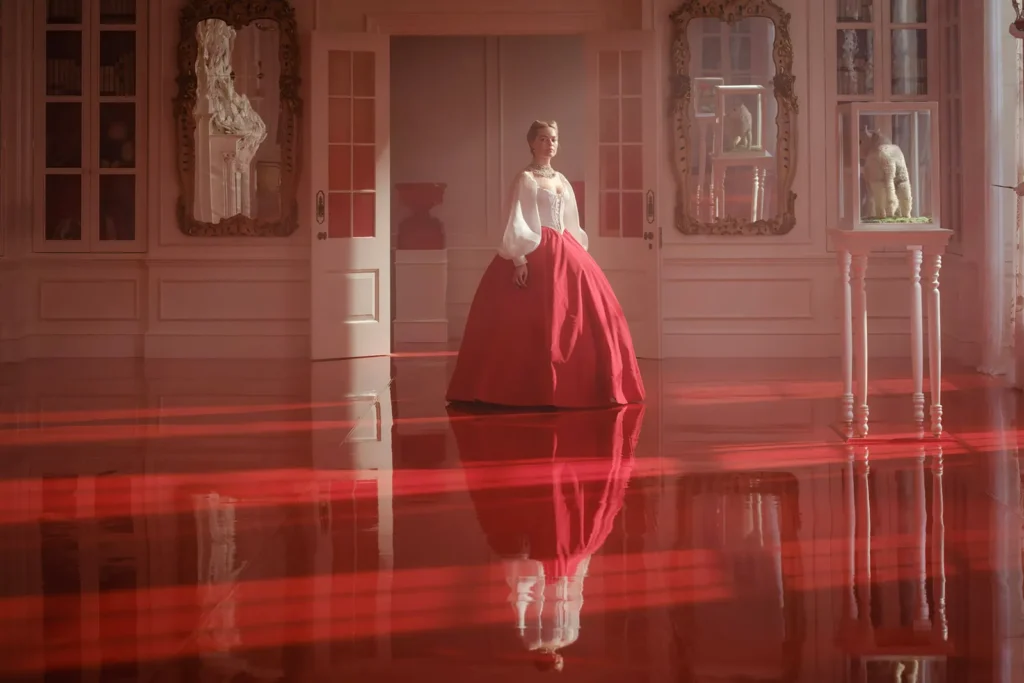
Beyond casting, some critics are offended that a toxic romance, because this is a toxic love story, has been marketed as an epic, sweeping great love story. Emerald Fennell, of Saltburn fame, has even placed quotation marks around the title “Wuthering Heights”, signalling that this is not a faithful, reverent adaptation. She has defended the changes by saying this is the version of the book she read and imagined as a child.
Reviews have been jarring. Some of the biggest publications have given it one or two stars. Others have hailed it as a full-throttle, horny romp and a complete feast for the eyes. Opinion pieces are multiplying, and yet people are flocking to the cinema to see it.
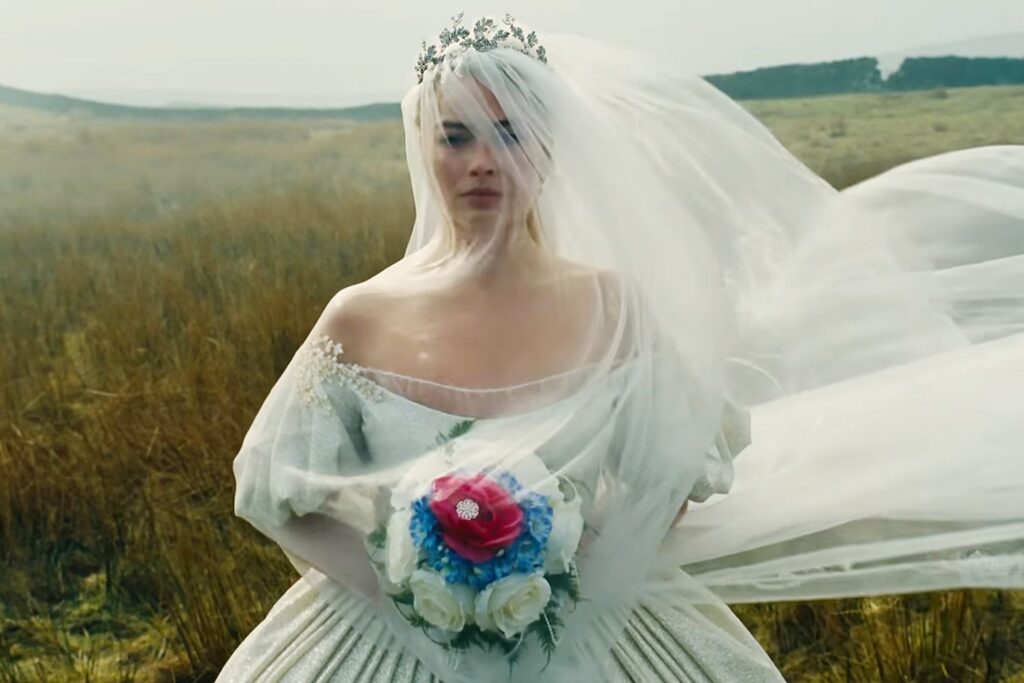
Which, from a filmmaking perspective, is good news. Margot Robbie, who also produced the film alongside director Emerald Fennell, reportedly took around a $70 million pay cut in order to avoid sending the film straight to streaming with Netflix, who had offered approximately $150 million. Instead, they accepted an $80 million deal with Warner Bros., because they wanted the film to have a full theatrical release in cinemas.
Let’s be clear, nothing can take away from the classic that is Emily Brontë’s Wuthering Heights. The original text still stands. But this adaptation has certainly sparked some big discussions.
Is a film adaptation that takes this much creative licence a betrayal of the author’s original intention?
A romanticisation of something that was never meant to be romantic?
Or simply proof that all publicity is good publicity?
And ultimately, how far from the book can an adaptation really stray?
“Wuthering Heights” – Our Thoughts
I’m not a literary purist. I believe stories can be reinterpreted and that adaptations do not take anything away from the original book. But I do believe the underlying substance and core need to remain intact. And for me, this is where Emerald Fennell did not quite get it right.
I do not think every major change is an issue. But the casting missed the mark, particularly with Cathy and Heathcliff. Margot Robbie playing a stroppy, pre-marriage Cathy as she tussles over her feelings for Heathcliff felt jarring at times. Watching a grown woman deliver the lines of a seventeen-year-old coming to terms with her emotions made some scenes difficult to fully believe. In parts, the dialogue also lacked substance.
I also think that had Fennell cast the central roles differently, some of the other creative licences, including the merging of characters, plot changes, and the dismissal of the second half of the book, may have been easier to forgive. Instead, it becomes easier to pick holes when the novel’s underlying substance feels diluted.
And perhaps that is where the divide lies. As a standalone film, it is highly watchable. You do not need to have read the novel to enjoy it. In fact, you will likely enjoy it more without that comparison sitting in the back of your mind. But it is also important to understand why the casting decisions have caused so much uproar among readers.
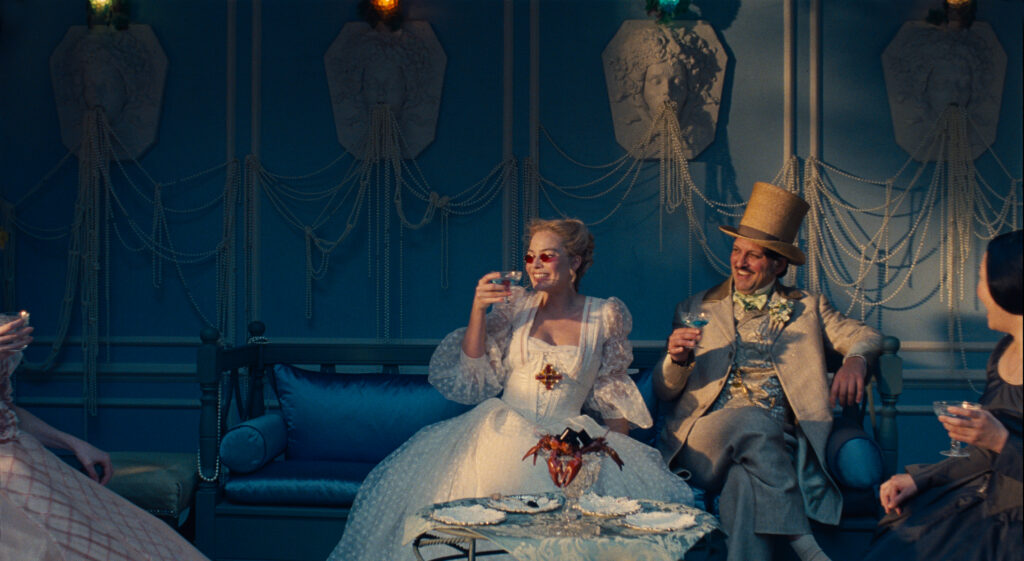
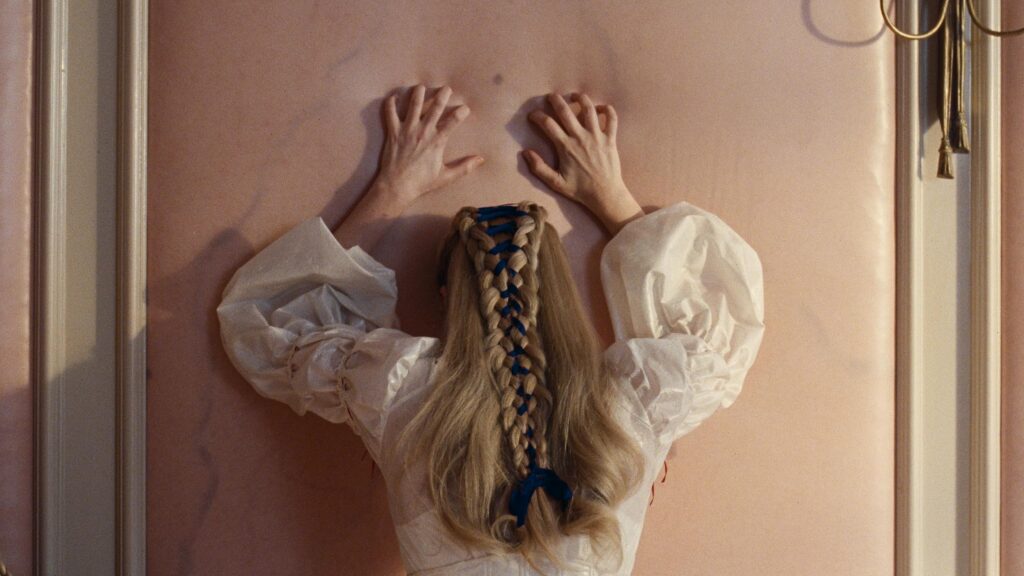
Visually, the film is a feast. The setting is atmospheric and breathtaking. The costuming and set design alone are worth watching for. Add in a Charli XCX soundtrack and it really does feel like an experience. It makes for a great night out with friends, and I would absolutely recommend seeing it in the cinema.
With all the conversation and jarring opinions surrounding this film, I keep asking myself: could Emerald Fennell have made this exact movie and simply called it something else? Would it stand on its own without the book tie-in? It is hard to say definitively, but it certainly would have lost some of the PR powerhouse that has propelled this film into the spotlight.
I have found it heartening to see the way this adaptation has brought so many new people to the novel. It has sparked gatherings, book clubs, movie nights, and a huge amount of conversation. And while it is disappointing to see some of the same debates resurfacing, it also reminds us that interpretation, identity, and representation in storytelling will always matter.










Leave a Reply
You must be logged in to post a comment.