
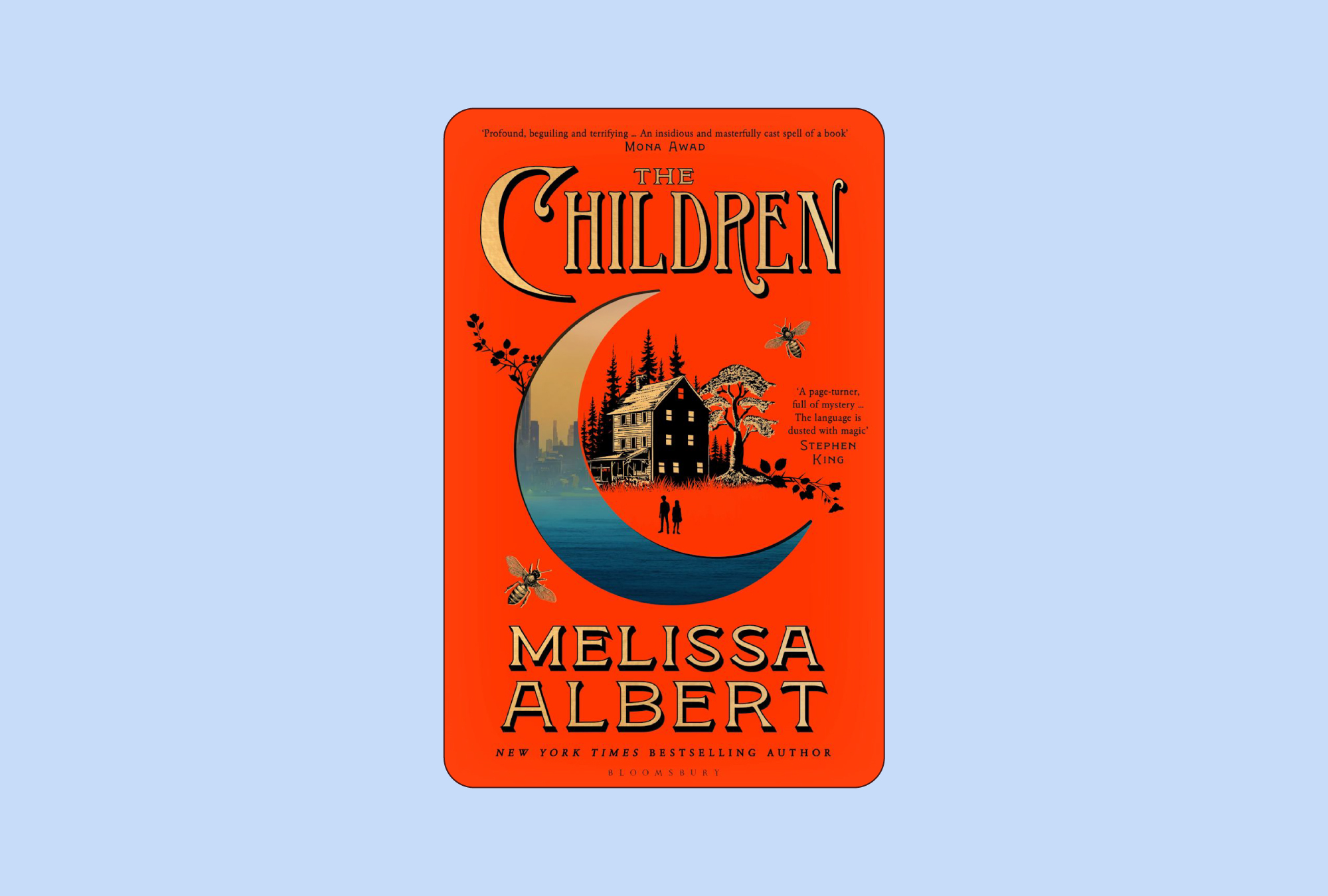
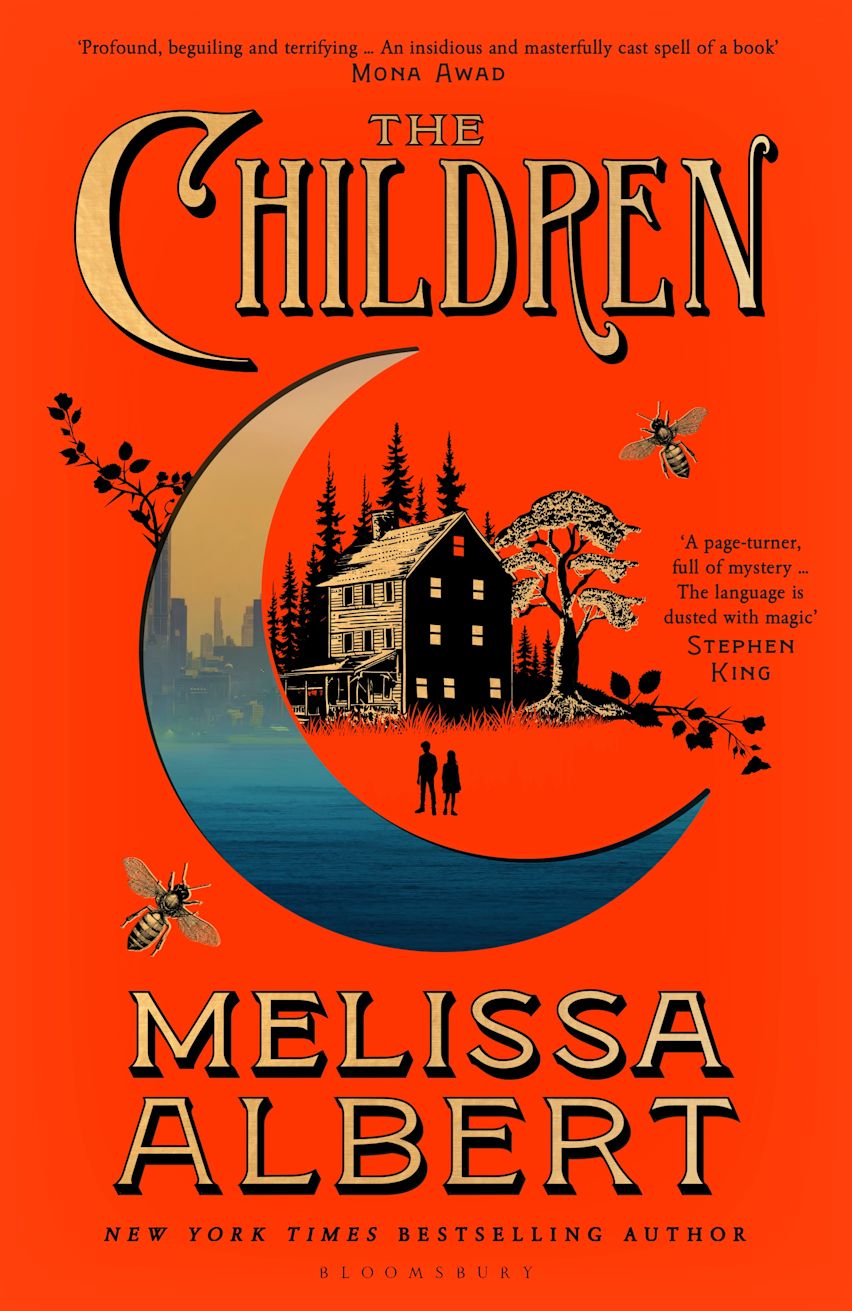
This book opens with a bang. We’re immediately dropped into an interview with Guinevere Sharpe, who has just released a memoir about growing up as the daughter of Edith Sharpe, the famous author of the bestselling Ninth City fantasy series. Guinevere and her older brother Ennis are the protagonists of those books, their childhood immortalised for millions of readers.
From the opening pages I was hooked. It’s immediately clear that something isn’t right, that the memoir isn’t telling the full story, and that Guinevere’s life is far more complicated than she’s willing to admit. We watch her unravel on national television during the announcement of her estranged brother Ennis’s latest exhibition, Mother, which is due to open in a week. We also know from the outset that Edith Sharpe is dead, having died at just 31 years old.
The novel moves between present-day New York and late-1990s/early-2000s Vermont, where the family relocate to an old house owned by Edith’s father. Edith, still in high school, became pregnant to the much older Llewellyn, an actor whose career imploded after their affair became public.
The house is wonderfully eerie and atmospheric, and I was completely drawn into this storyline. The bohemian parents, the drug- and alcohol-fuelled parties, the father who never lived up to his potential, and the mother whose own career became a literary sensation having used her children into literary icons. Much like Christopher Robin, Guinevere and Ennis become famous through books they never chose to be part of. It’s a story about art, parasocial relationships, neglected childhoods, escaping into the woods, writing stories, and children forced to grow up far too quickly. I found all of it fascinating. At times it reminded me of Sisters by Daisy Johnson, which we read for Bookety Club.
Honestly, the first half of the novel would have been enough for me.
Although it’s been marketed as a gothic thriller, the second half gradually shifts into fantasy as Guinevere searches for Ennis, and it is here I start to miss the earlier timeline in the children’s world, while both timelines serve each other, the first and second half start to feel like different books.whom she hasn’t spoken to in 20 years, before the opening of the exhibition she believes will finally expose the truth about their childhood. I felt the novel spent a little too long on the build-up surrounding Ennis’s art career, and there were a few storylines that seemed to lose momentum altogether. In the end, it felt as though the book was trying to do too many things at once.
I’m not a fantasy reader, and after spending so much of the novel carefully building towards its central mystery, having so much resolved in the final 15 pages left me feeling a little disappointed.
Someone in my book club compared it to Coraline, which I actually think is a pretty good reference point.
That said, I still think there are plenty of readers who will love this. I’d say it’s around 90% eerie mystery and gothic family drama, and only about 10% fantasy, so I still got a great deal out of it. Personally, I would have preferred it to lean further into the psychological horror, mystery and tragedy rather than the fantasy elements, but that’s entirely a matter of taste.
If you’re someone who enjoys genre-bending fiction that blends gothic houses, literary fiction, dark fairy-tale elements and just a touch of fantasy, then I absolutely think this is worth picking up. The writing is excellent, the pacing kept me turning the pages, and despite the ending being a bit rushed for me and not quite wrapping up some of the interesting plot lines, I’m really glad I read it.











Leave a Reply
You must be logged in to post a comment.